SolutionsPharmaceutical & medical
Pill Bottle Making Machine
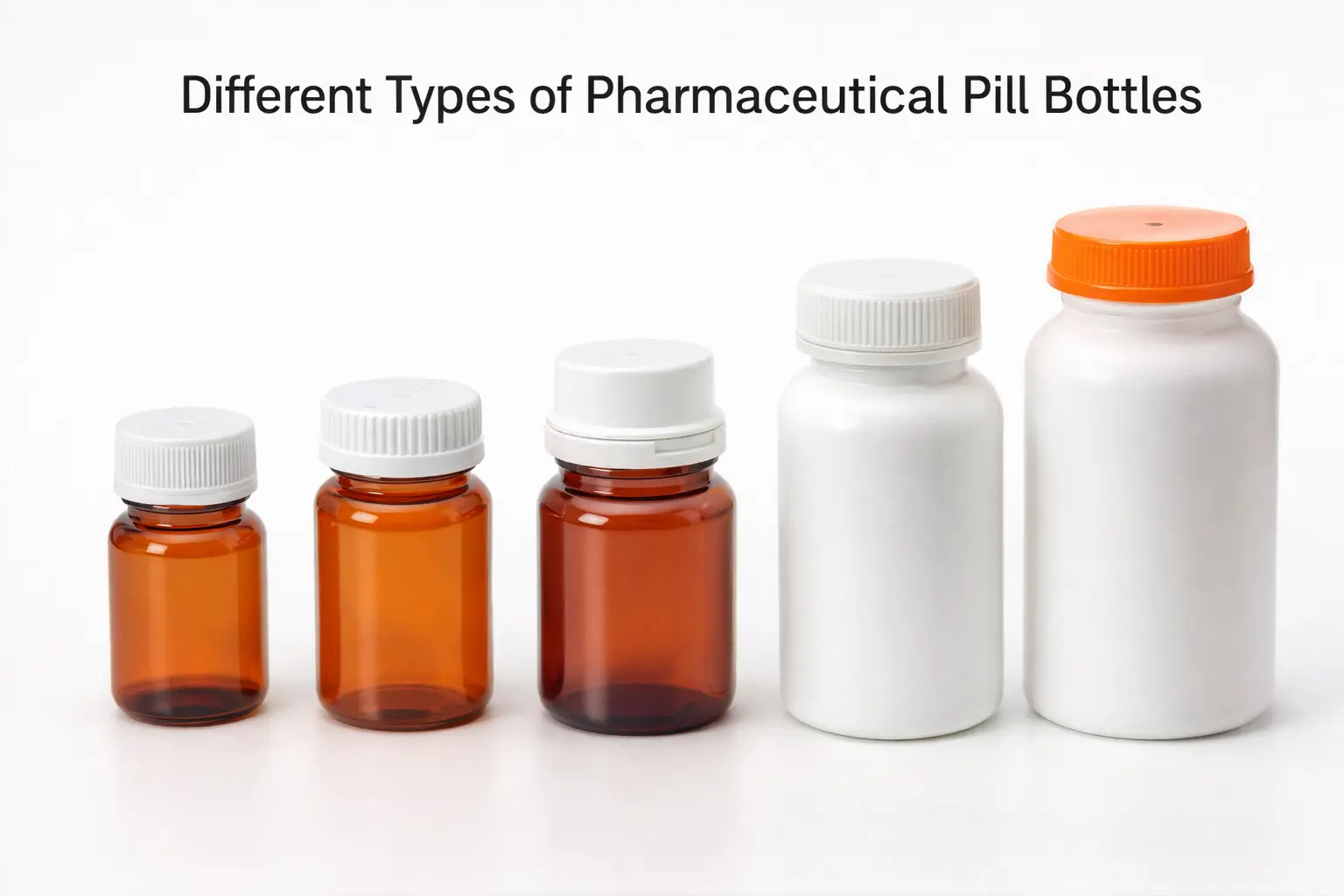
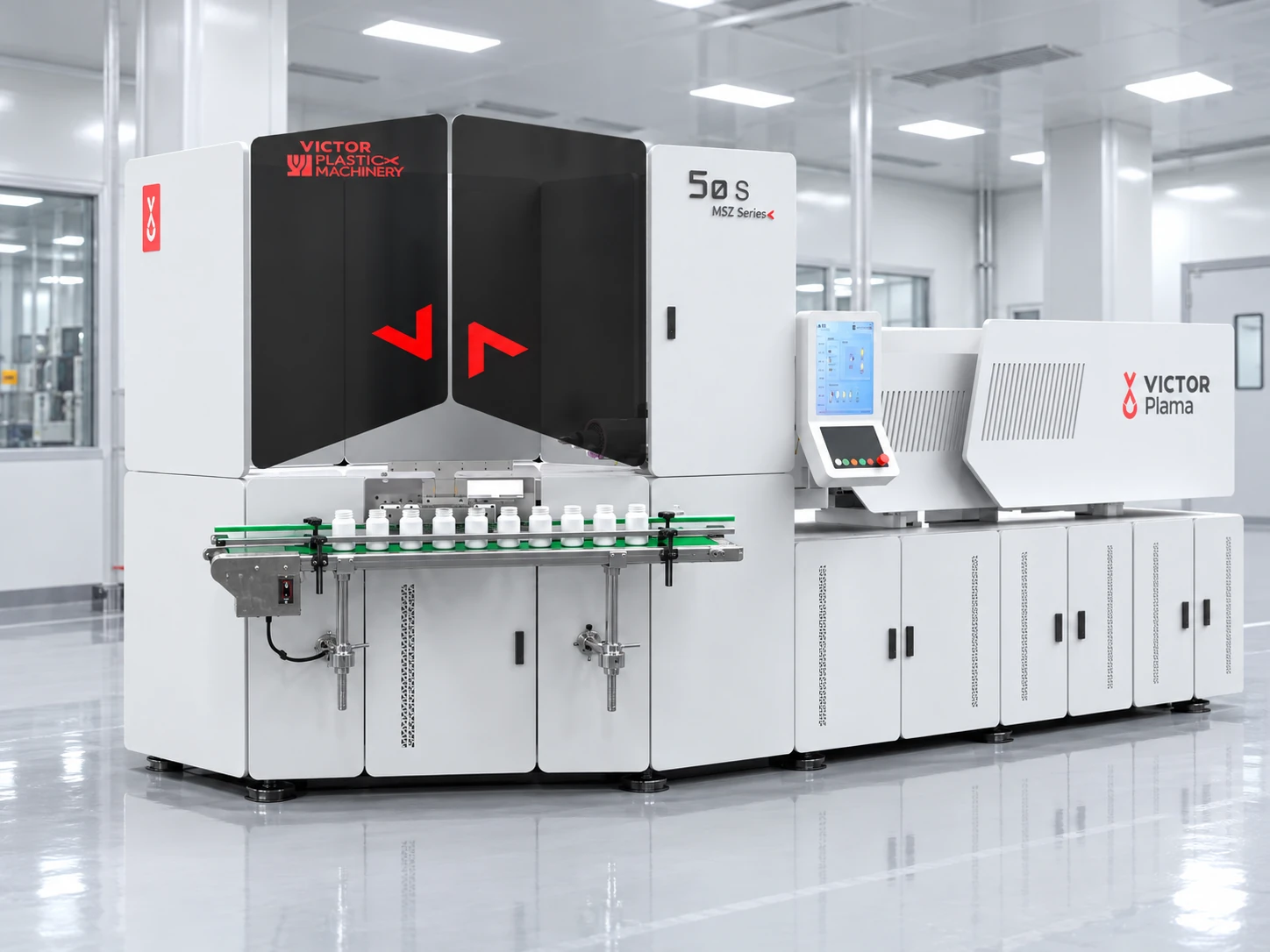
Victor Machinery supplies injection blow molding solutions for pharmaceutical tablet and capsule containers.
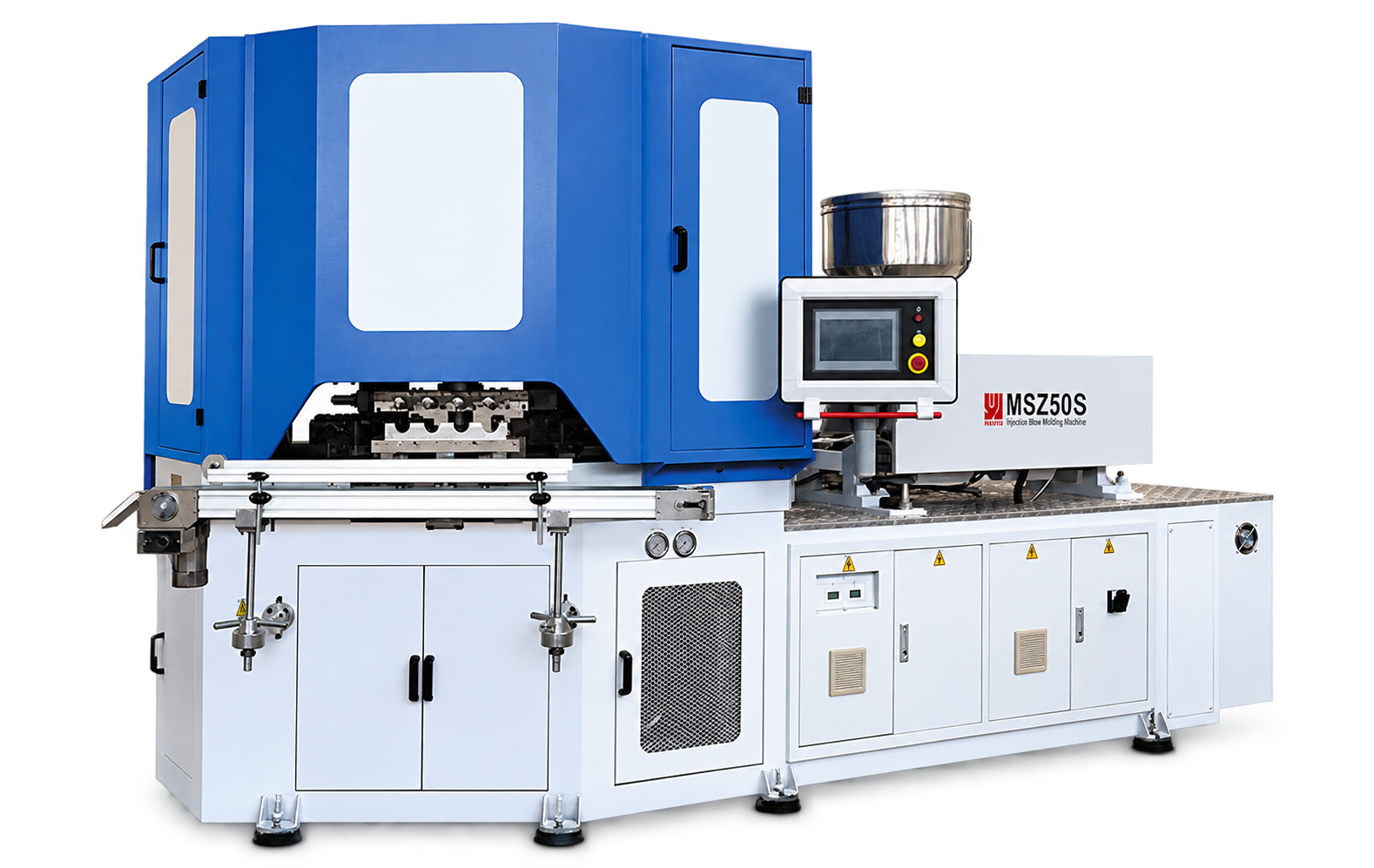
Victor Machinery supplies injection blow molding solutions for pharmaceutical tablet and capsule containers. For a 100 ml pill bottle, a recommended MSZ50S configuration uses an eight-cavity mold and a 12-second cycle, giving a theoretical output of 2,400 bottles per hour or 57,600 bottles over 24 hours. Machine selection is matched to the bottle drawing, neck design and production target.
Which machine makes pill bottles?
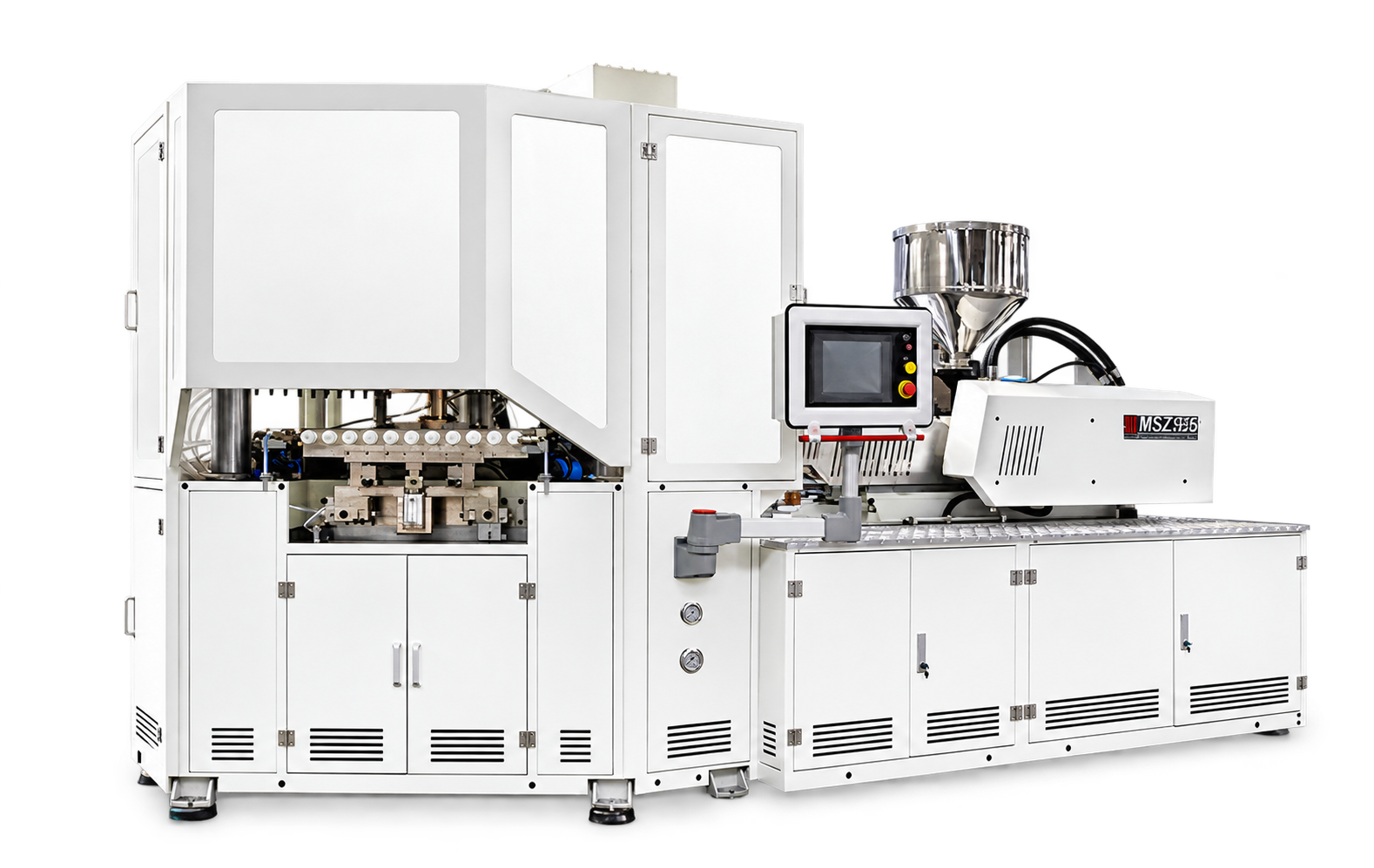
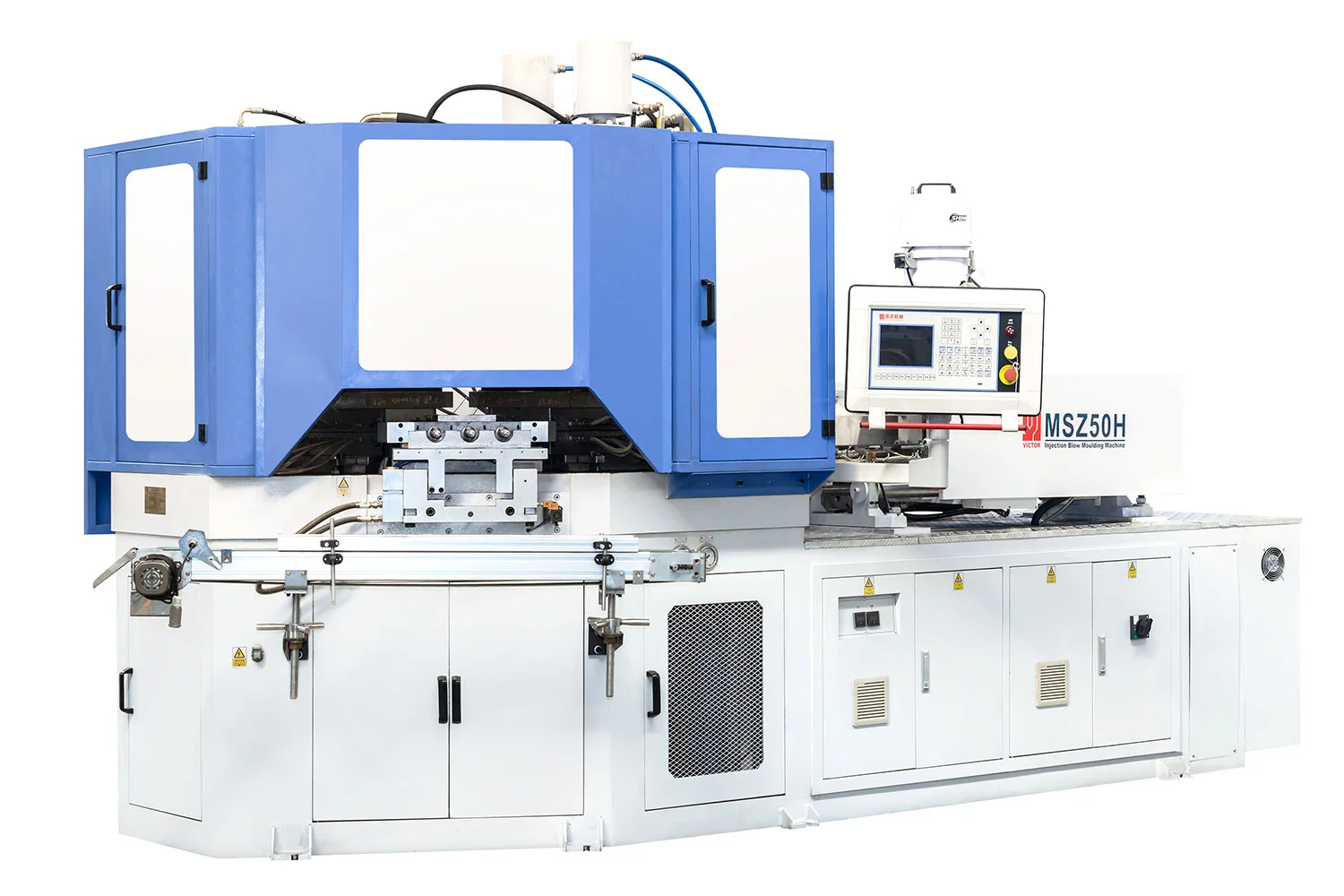
Victor recommends MSZ50S and MSZ95S injection blow molding machines for suitable pharmaceutical bottle projects. The choice depends on bottle geometry, resin, mold layout and required output. A customer project in Henan, China, also uses the MSZ50HE configuration detailed below.
The process first injection-molds a preform and its finished bottle neck. The preform is transferred on a core rod to the blow mold, where compressed air forms the body. The bottle is then removed at the stripping station. Forming the neck in the injection mold supports repeatable threads and sealing surfaces.
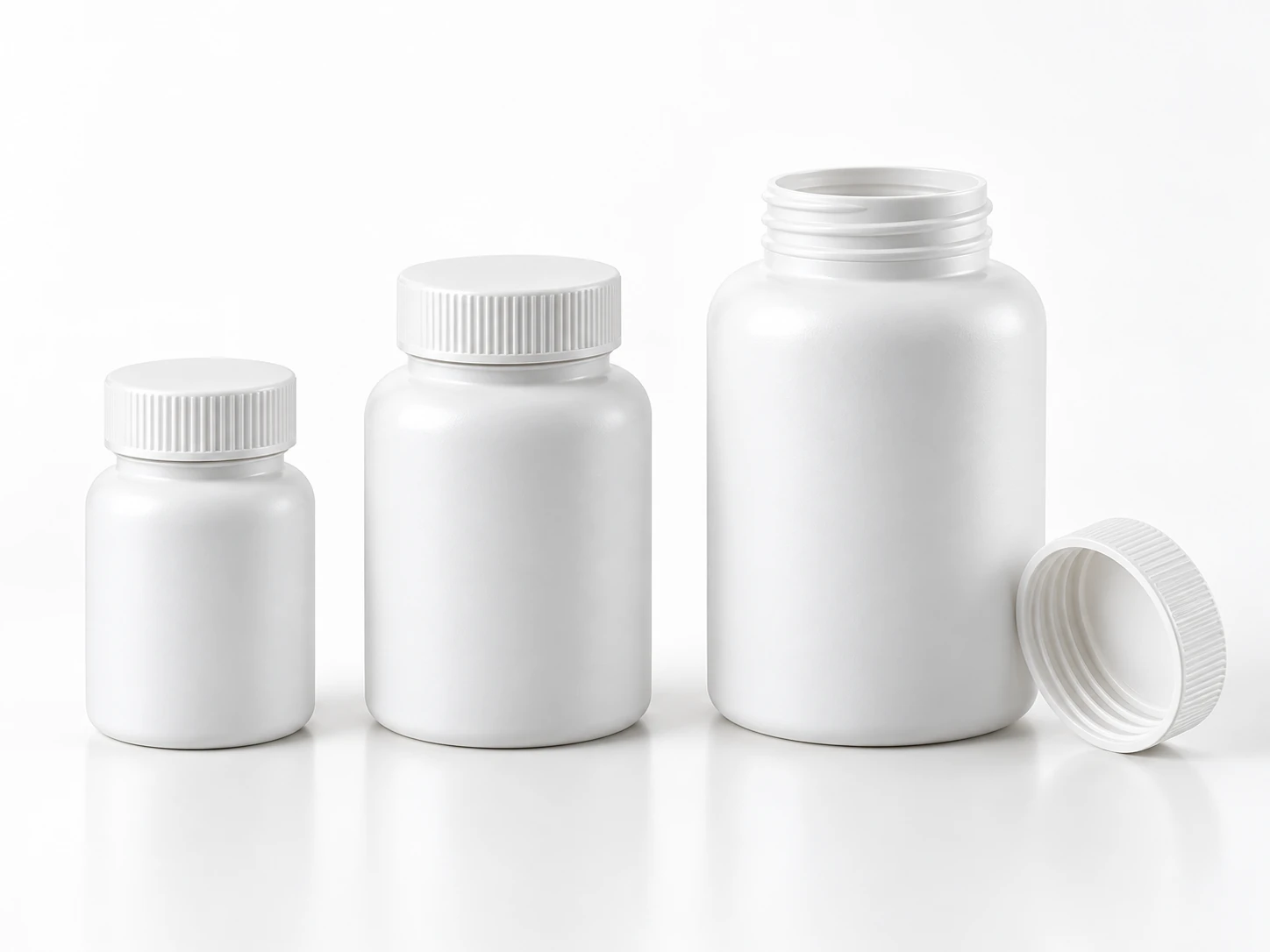
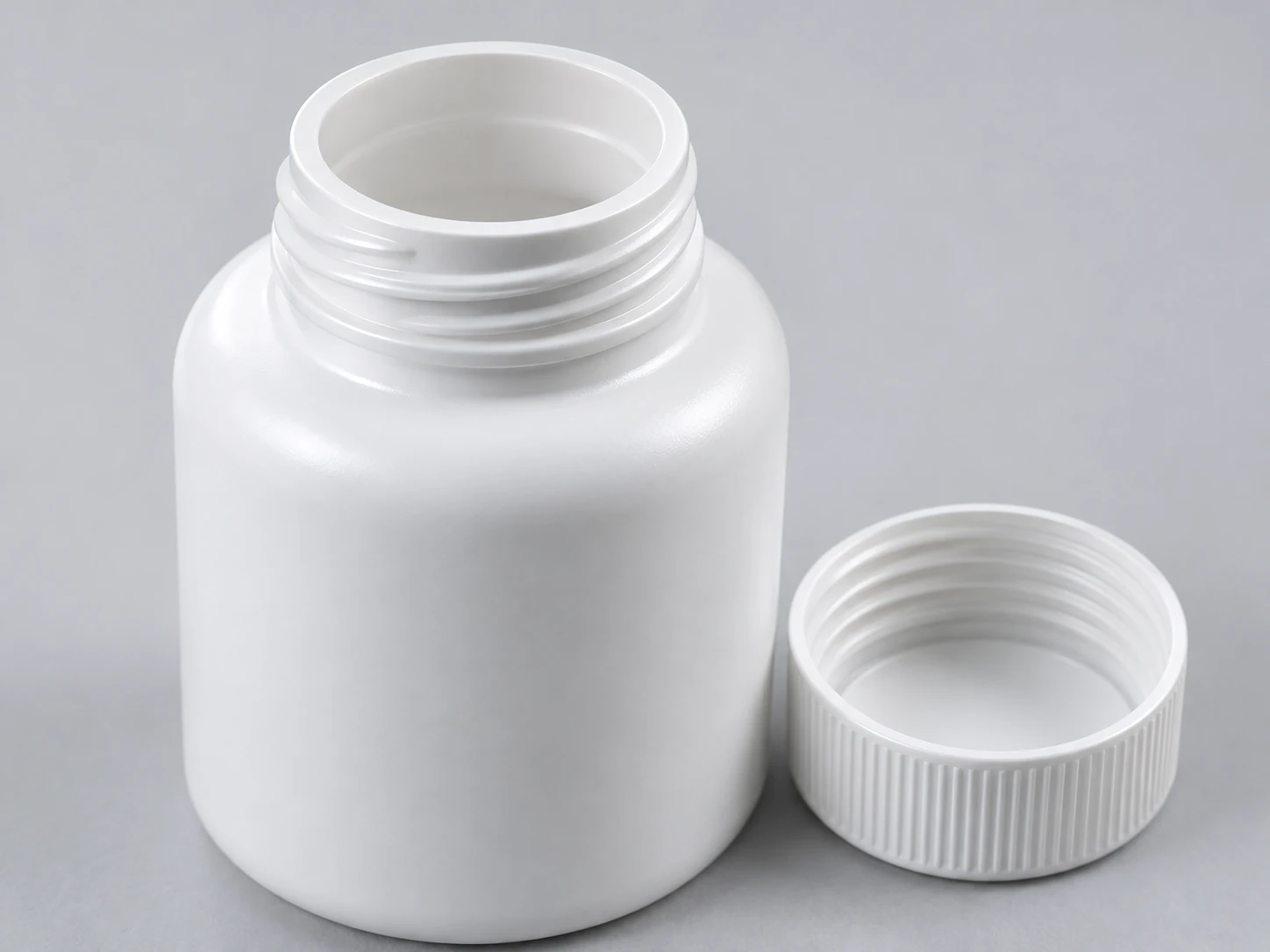
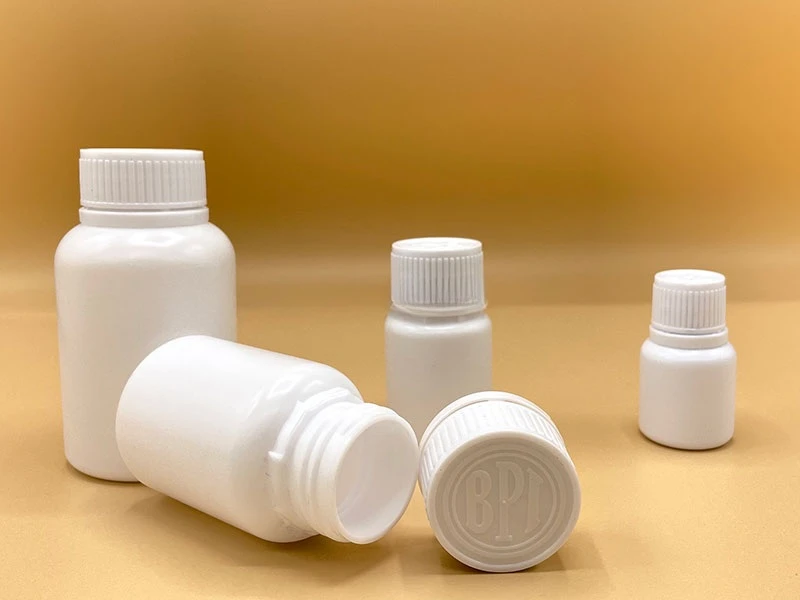
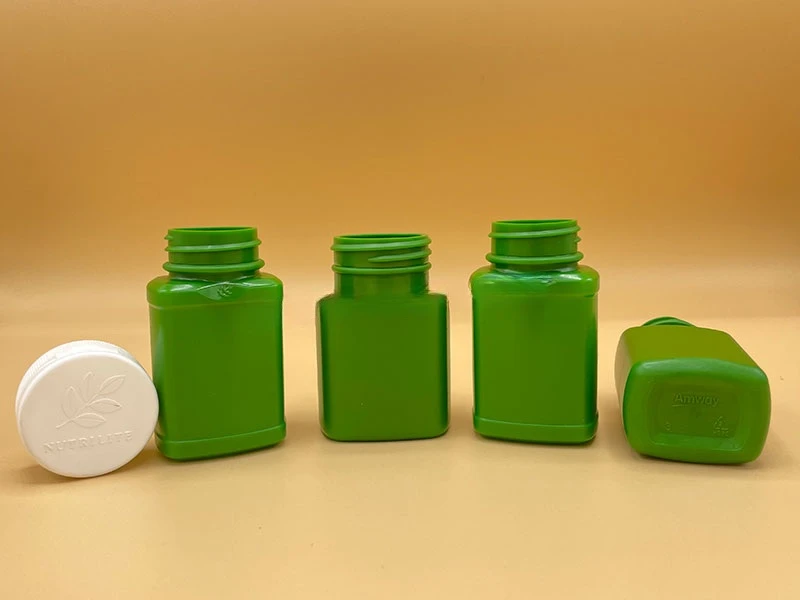
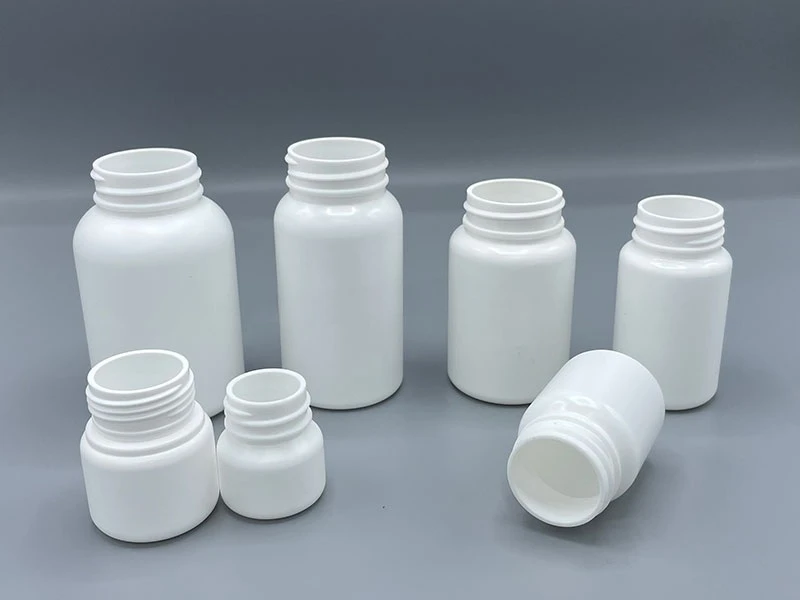
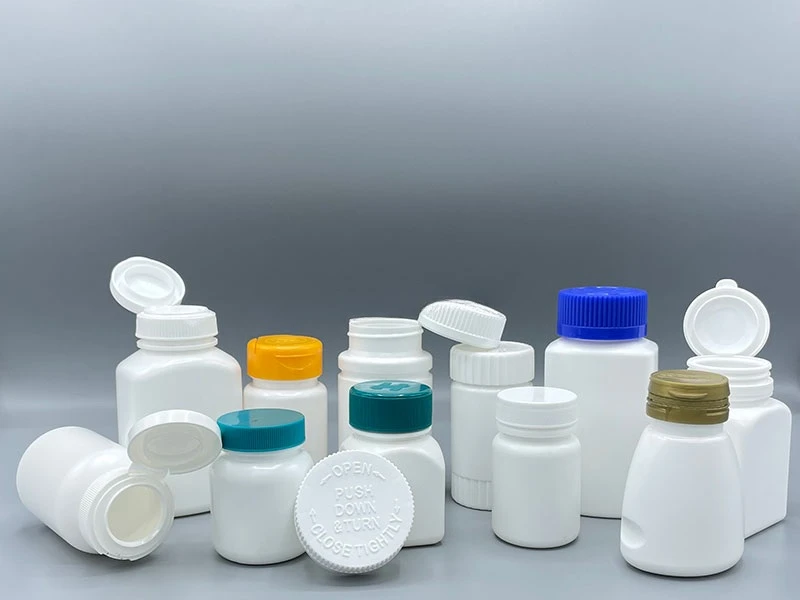
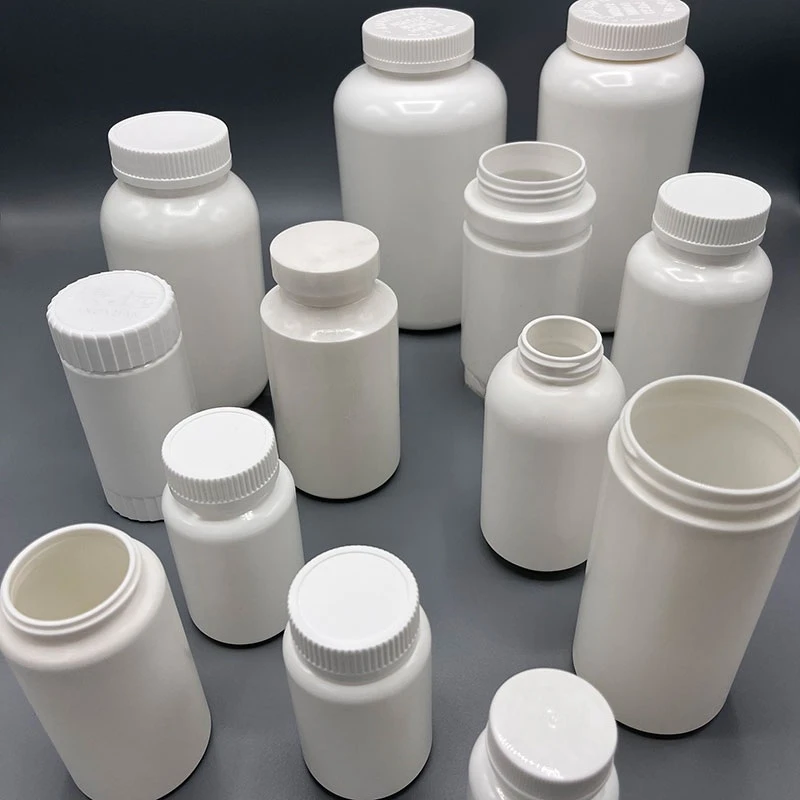
Pill bottle sizes, materials and neck finishes
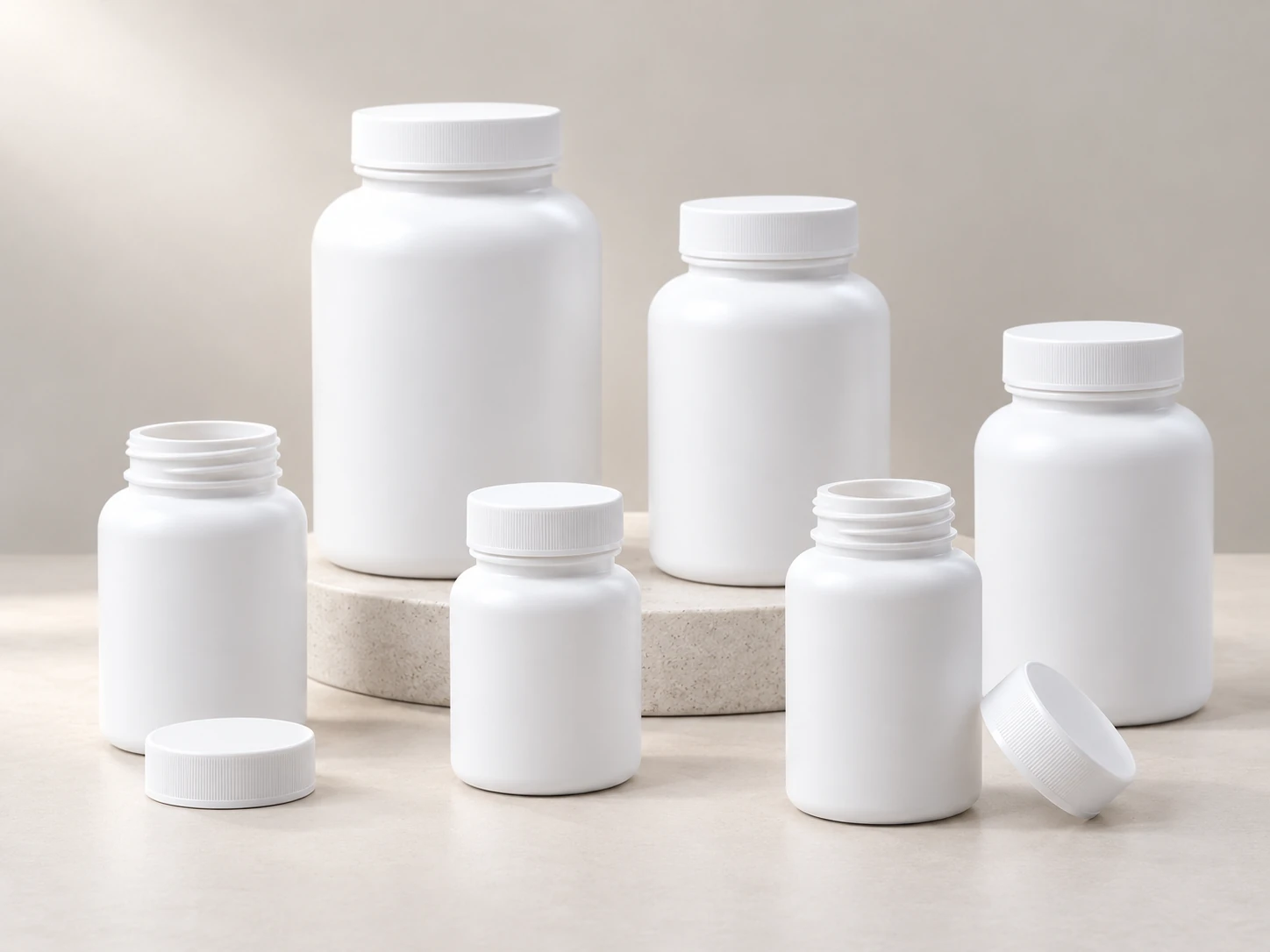
Victor’s pharmaceutical bottle application range covers 1–3,000 ml, with larger containers up to 5,000 ml considered after engineering review. Bottle neck diameters range from 5 to 150 mm across the application portfolio. The suitable capacity and neck size are confirmed for each machine and bottle design.
A commonly used material is white HDPE, MARLEX 5502. The bottle’s capacity, weight, opening and body profile should be developed together so that the package suits the intended tablet or capsule and the filling operation.
Recommended machines and mold cavities
For a 100 ml bottle with a 35 mm neck diameter, the recommended MSZ50S configuration has eight cavities and a 12-second cycle. Its reference daily output is 57,600 bottles on a 24-hour continuous-cycle basis. The following MSZ50HE configurations are from the Henan customer project delivered in October 2026.
| Capacity ml | Neck diameter mm | Bottle weight g | Cavities | Cycles | Theoretical bottles/h | Theoretical bottles/24h |
|---|---|---|---|---|---|---|
| 120 | 43 | 10.4 | 6 | 12 | 1,800 | 43,200 |
| 80 | 38 | 8 | 7 | 11.6 | 2,172 | 52,138 |
| 50 | 34 | 5.6 | 8 | 11 | 2,618 | 62,836 |
| 45 | 26 | 5.5 | 9 | 12 | 2,700 | 64,800 |
| 170 | 50 | 19.9 | 5 | 18 | 1,000 | 24,000 |
Output basis: hourly figures are calculated from cavity count × 3,600 ÷ cycle time; daily figures use 24 hours of continuous cycles. Figures are rounded to whole bottles and exclude downtime and rejects. They are theoretical capacity references rather than measured saleable output.
Why injection blow molding for pill bottles
Bottle neck precision and induction sealing
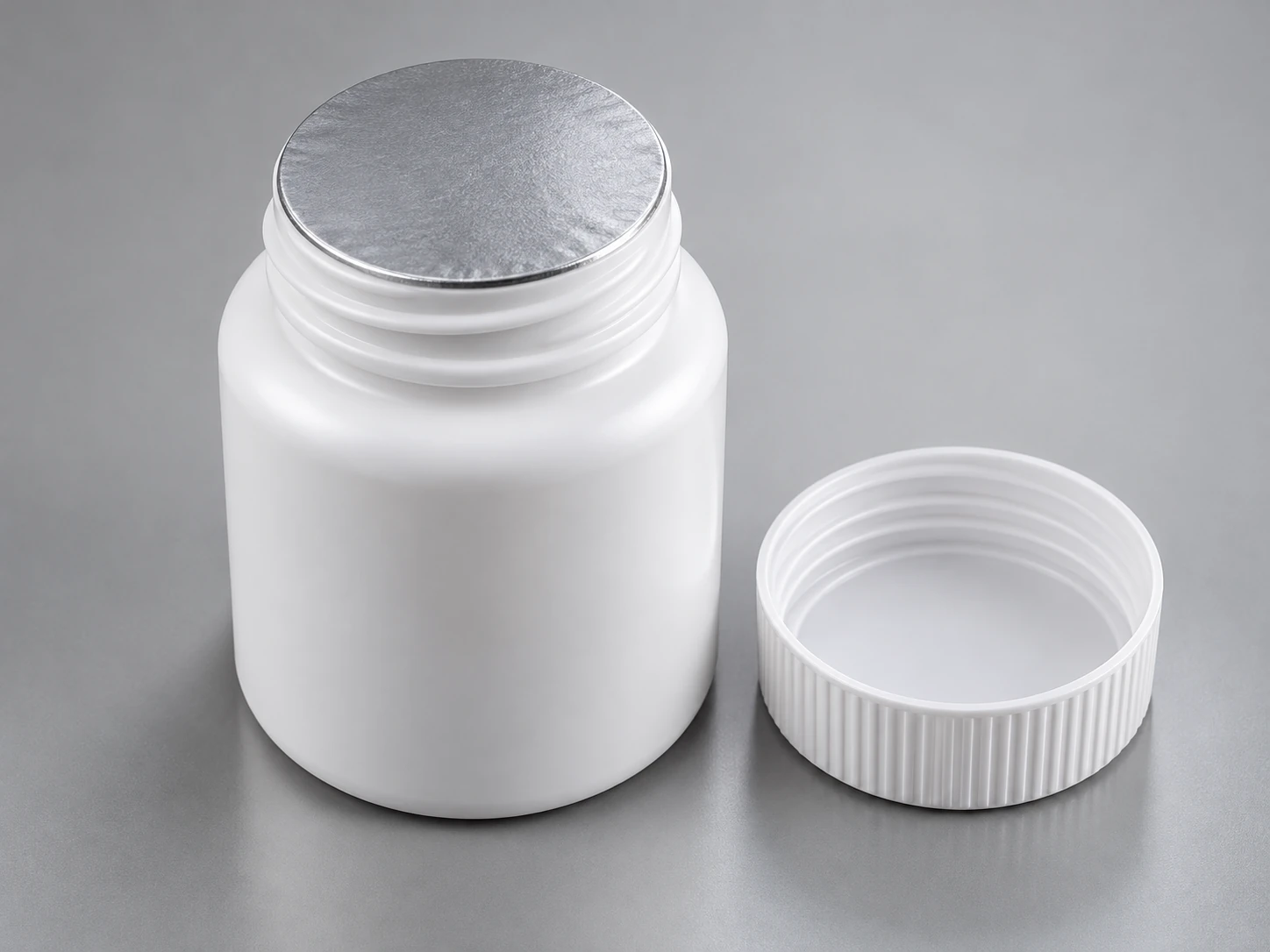
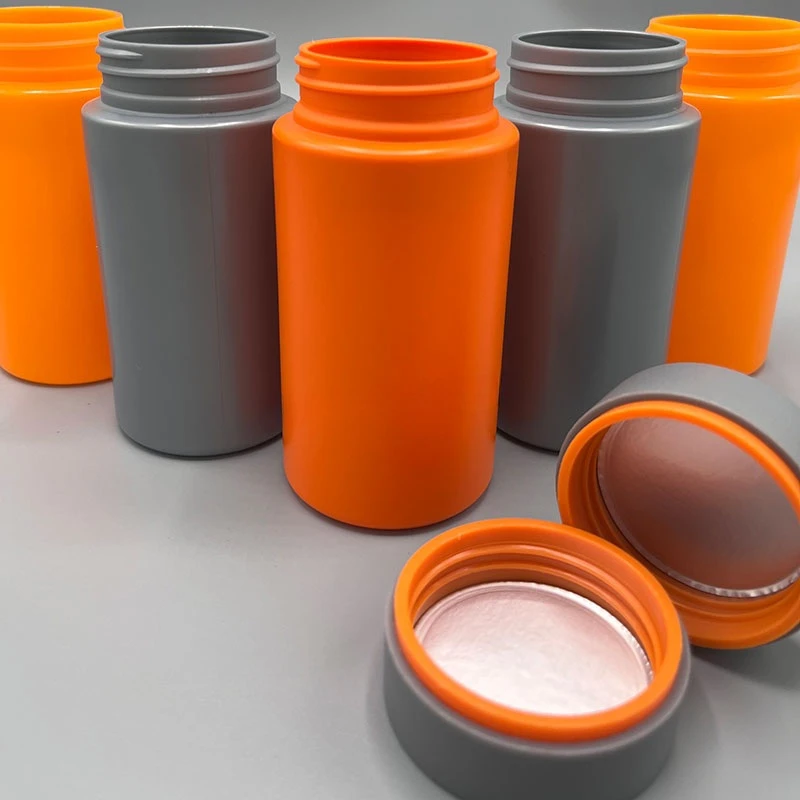
The injection-molded bottle neck provides a controlled sealing land and repeatable threads for closure fit. Victor’s molded necks can meet the requirements of induction aluminum foil sealing. The bottle, cap, liner and sealing settings should be matched during the project.
Body consistency for handling and labeling
Controlled cooling and mold design help maintain bottle shape and a consistent label panel. Victor specifies a bottle-body diameter tolerance range of ±0.1 to ±1 mm, with the applicable tolerance selected for the individual bottle specification.
Reduced scrap and trimming
Injection blow molding avoids the parison tail trimming associated with conventional extrusion blow molding. Victor reports a 30% reduction in scrap rate compared with extrusion blow molding. The comparison should be assessed against the bottle and production conditions of the project.
Strength for handling and transport
A suitable plastic bottle can reduce the breakage risk associated with glass containers during handling and transport. Bottle weight, wall distribution and base design should be considered together to achieve the required container strength.
Pill bottle molds and size changeovers
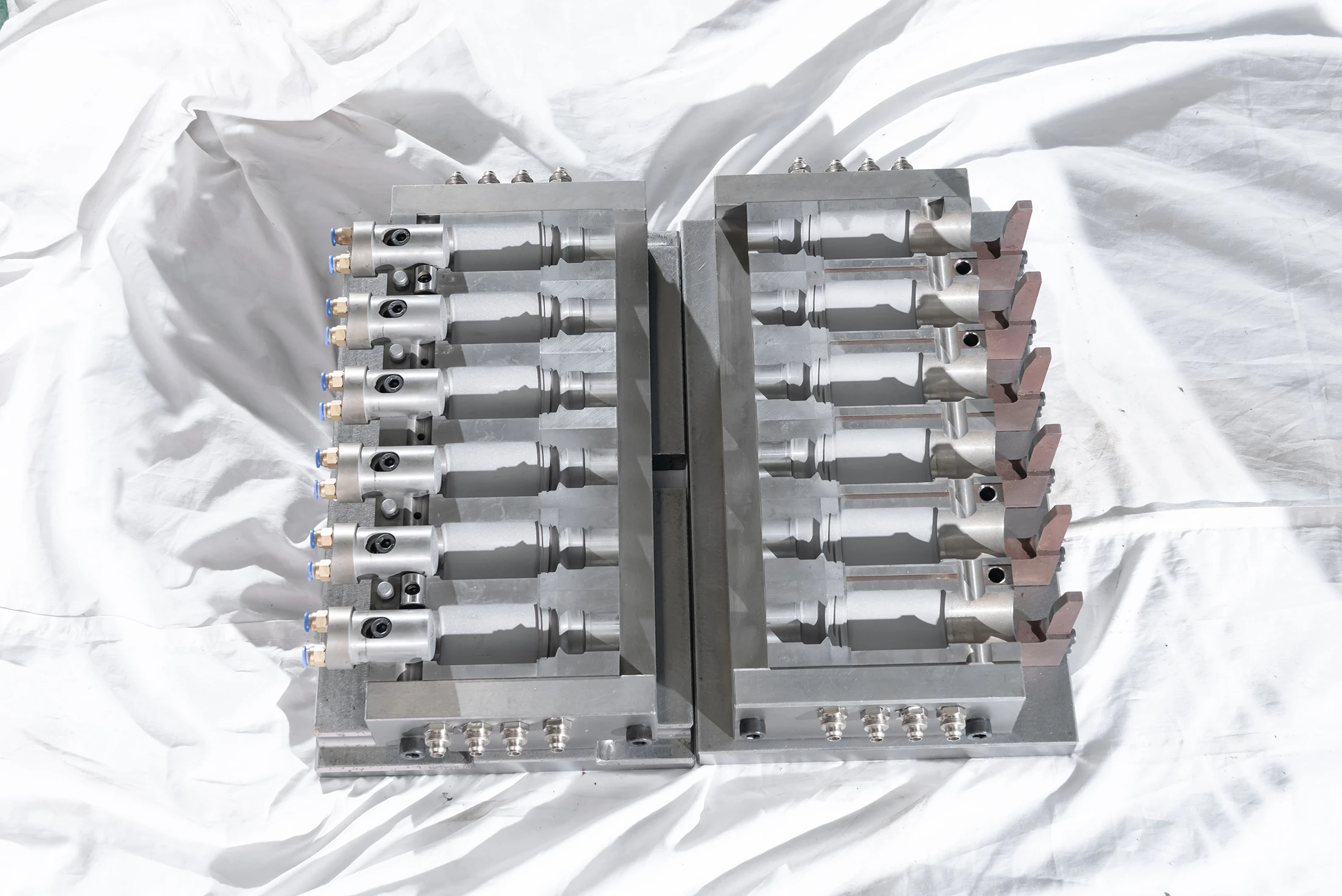
Victor’s mold material options include 4Cr13, 45 steel and FS136. Tooling is selected around the bottle design, cavity arrangement and production requirements. The mold and core rod configuration influence the neck finish, bottle shape and wall distribution.
Changing to a different bottle-volume mold on the same machine takes approximately one hour. The change generally involves the injection mold body, blow mold body, core rods, core rod bases, core rod retaining plates and stripper plates. The specific changeover scope follows the tooling configuration.
Clean production for pharmaceutical bottles
For precision medical containers, Victor also offers the Q3 all-electric, three-station injection blow molding machine. Q3 focuses on small medical bottles, including eye drop bottles, and is designed to support GMP-oriented production requirements, Class 100 cleanroom applications and data traceability.
The required production environment and equipment configuration are defined for the project. Cleanroom suitability and production qualification are assessed as part of the complete installation.
Case study in Henan, China
MSZ50HE pharmaceutical bottle project in Henan, China
In October 2026, Victor delivered MSZ50HE equipment to a customer in Henan, China, for pharmaceutical bottle production. The project covers bottle capacities of 45, 50, 80, 120 and 170 ml. The configurations above show how cavity count and cycle time vary with bottle size, neck diameter and bottle weight. Acceptance checks cover machine operation, bottle forming in the installed mold and process parameters.
- Customer-site acceptance is used for domestic projects
- Video acceptance can be arranged for overseas customers
Three-station injection blow molding
One machine, three stations, a finished bottle
- Station 1 · 0°
Injection
The preform is injection molded on a core rod – the neck and thread of the pharmaceutical tablet containers are finished here and never change again.
- Station 2 · 120°
Blowing
The table turns 120° and air through the core rod blows the warm preform into the bottle mold. No parison, no pinch-off, no flash.
- Station 3 · 240°
Stripping
Another 120° and the finished bottle is stripped off the rod, ready to pack – no trimming and no scrap, with all three stations working at once.
More sample bottles
Machines used
Machines for pharmaceutical tablet containers
Pharmaceutical tablet containers: FAQ
What capacities can Victor pharmaceutical bottle solutions cover?
The application range is 1–3,000 ml. Projects up to 5,000 ml can be considered after engineering review, with the machine and mold selected for the individual bottle.
What is a recommended configuration for a 100 ml pill bottle?
MSZ50S, eight cavities, a 12-second cycle and a 35 mm neck diameter. The theoretical output is 2,400 bottles per hour or 57,600 bottles per 24 hours, before downtime and rejects.
How long does a bottle size changeover take?
Approximately one hour. Typical replacement parts include the injection and blow mold bodies, core rods, core rod bases, retaining plates and stripper plates.
Can the bottle neck support induction foil sealing?
Yes. Victor’s injection-molded bottle necks can meet induction aluminum foil sealing requirements when matched with the specified closure, liner and sealing process.
Discuss your pill bottle project with Victor
Send Victor Machinery your bottle drawing or sample, capacity, material, neck specification and target output. Our team can recommend a suitable machine and mold configuration for your pharmaceutical bottle project.