IBM vs EBM process guide
Injection Blow Molding vs Extrusion Blow Molding
When setting up a plastic bottle manufacturing line, selecting the ideal process is critical for cost efficiency and product quality. This practical guide compares injection blow molding vs extrusion blow molding for B2B buyers, also covering the common UK spelling injection blow moulding vs extrusion blow moulding, IBM vs EBM process flow, tolerances, waste, tooling cost and bottle applications.
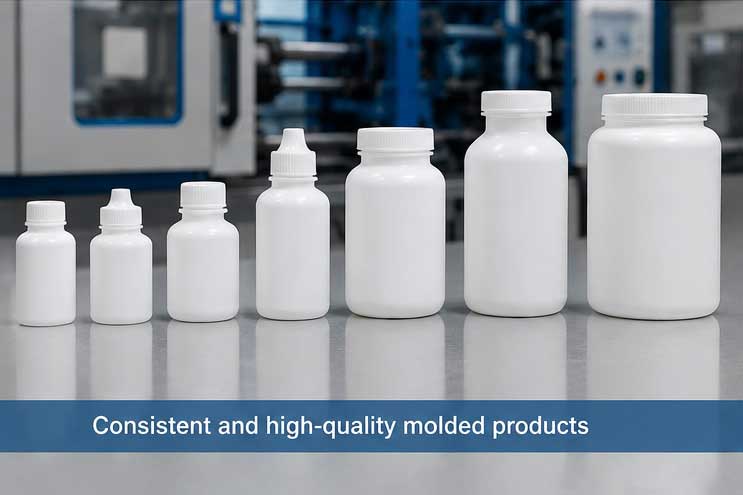
Injection blow molding is usually selected for precision small bottles; extrusion blow molding is usually selected for larger hollow containers. Buyers using British terminology may compare the same processes as injection blow moulding and extrusion blow moulding.
Precision small bottles
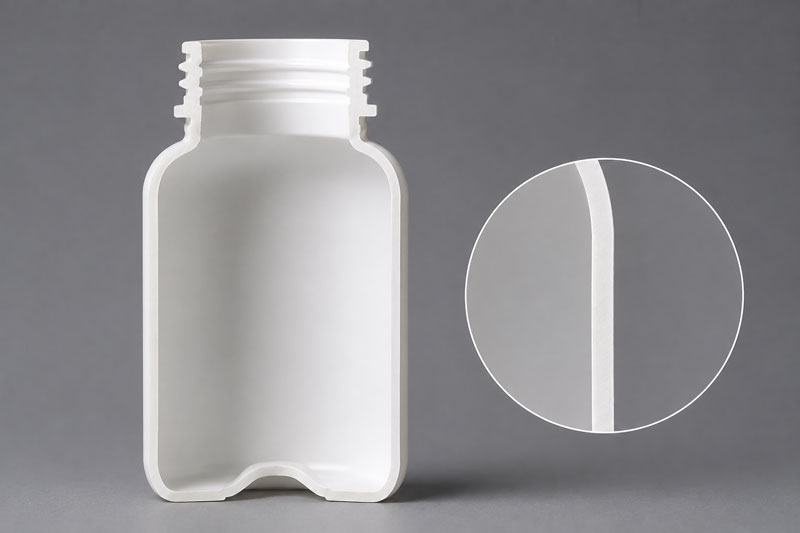
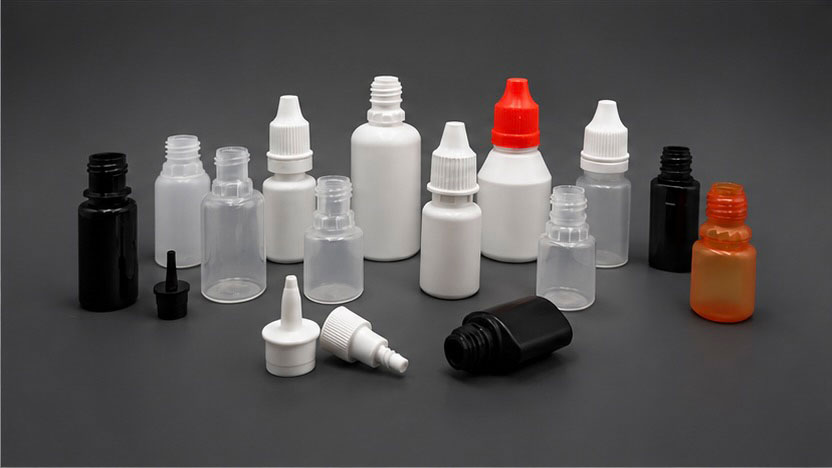
Pharmaceutical, medical, cosmetic and high-value packaging where neck accuracy and clean production matter.
Large hollow containers
Jerry cans, drums, tanks and large bottles where shape flexibility and lower initial tooling cost are priorities.
Precision vs flexibility
IBM reduces flash waste and improves neck finish accuracy. EBM handles larger parts with simpler equipment.
Process fundamentals
What Are the Differences Between Injection Blow Molding and Extrusion Blow Molding?
Both processes create hollow plastic containers, but they form the starting shape in completely different ways. Injection blow molding starts from an injection molded preform. Extrusion blow molding starts from an extruded parison. In British English, the same buyer comparison is often written as injection blow moulding vs extrusion blow moulding.
This difference affects neck precision, wall thickness control, trimming waste, mold structure, material behavior, cycle stability and the type of bottle each process can produce efficiently.
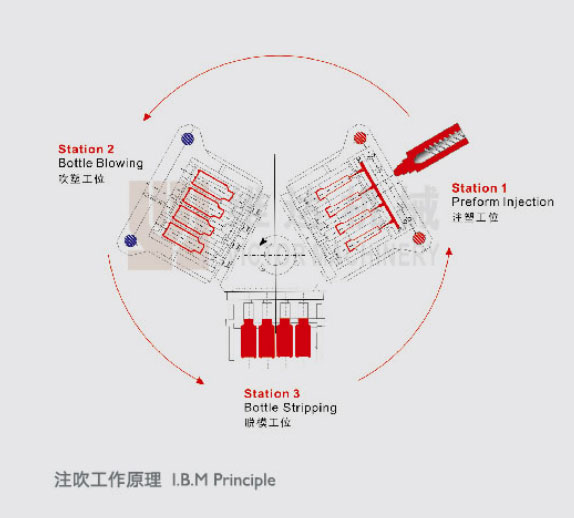
Injection Blow Molding (IBM)
- Injection: molten plastic is injected around a core rod to form a precise preform and neck finish.
- Blowing: the preform moves to the blow station and is inflated inside the bottle mold.
- Stripping: the finished bottle is removed without trimming flash.
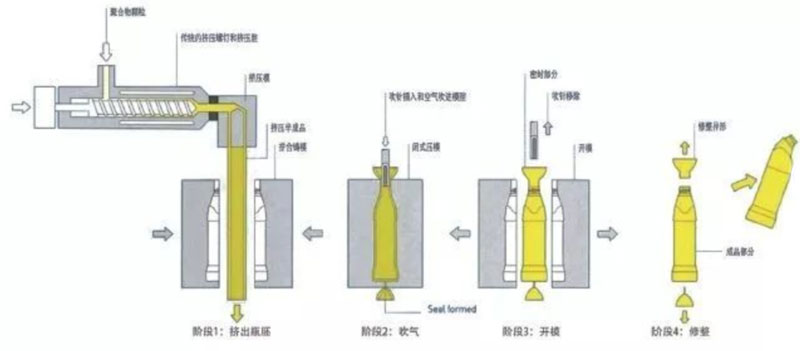
Extrusion Blow Molding (EBM)
- Extrusion: molten plastic is extruded downward as a hollow tube called a parison.
- Clamping: the mold closes around the parison and pinches off excess material.
- Blowing and trimming: air forms the bottle, then flash must be trimmed after cooling.
Buyer decision summary
IBM vs EBM: Which Blow Molding or Blow Moulding Process Should You Choose?
Choose injection blow molding when you need
- Small or medium precision bottles with accurate threaded necks
- Pharmaceutical, medical, cosmetic, laboratory or high-value packaging
- Low flash waste and cleaner production without secondary trimming
- Stable dimensions, repeatable wall thickness and reliable sealing
Choose extrusion blow molding when you need
- Large bottles, jerry cans, drums, tanks or irregular hollow parts
- Lower tooling cost for less precision-critical packaging
- Large container flexibility and wider product geometry options
- Applications where trimming flash is acceptable in the process
Side-by-side comparison
Quick Comparison: IBM vs EBM Process Differences
| Feature / Factor | Injection Blow Molding (IBM) | Extrusion Blow Molding (EBM) |
|---|---|---|
| Starting form | Injection molded preform | Extruded parison |
| Neck precision | Extremely high; the neck is pre-molded by injection | Standard; depends on mold closing, trimming and neck calibration |
| Scrap / waste material | Zero flash and very low process waste | Generates flash that requires trimming and recycling |
| Best container size | Small to medium precision bottles | Medium to large hollow containers |
| Initial mold cost | Higher upfront investment for precision tooling and core rods | Lower initial mold costs for many large hollow containers |
| Best applications | Pharmaceutical pill bottles, eye droppers, cosmetics, lab containers | Large milk jugs, detergent drums, jerry cans, complex handles |
| Quality priority | Dimensional consistency, clean production and sealing reliability | Size flexibility, output and container-volume economics |
Equipment structure
How Do IBM and EBM Machines Work?
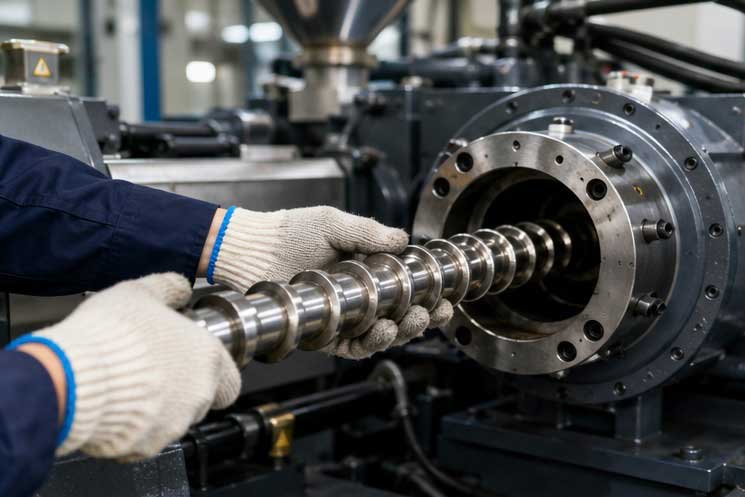
An injection blow molding machine integrates injection, blowing and stripping stations. This structure is designed for precise preform formation and repeatable bottle production. An extrusion blow molding machine uses an extruder, die head, clamping unit and trimming system to produce larger hollow containers from a parison. For the IBM process in more detail, see our three-station injection blow molding machine guide.

Applications
Common Bottle Applications for IBM and EBM
| Application | Better fit | Why it matters |
|---|---|---|
| Pharmaceutical pill bottles | Injection blow molding | Precise neck finish, clean production and stable sealing are usually more important than low tooling cost. See the pill bottle manufacturing guide. For medical and pharmaceutical packaging specifically, read the dedicated medical packaging process comparison. |
| Eye dropper and nasal spray bottles | Injection blow molding | Small dosage packaging requires accurate neck geometry and consistent dimensions. Review pharmaceutical eye dropper solutions. |
| Cosmetic jars and small daily chemical bottles | Injection blow molding | Surface finish, dimensional control and reduced trimming waste improve product quality. Explore cosmetic bottle machine applications. |
| Jerry cans, drums and large containers | Extrusion blow molding | Large volume and flexible hollow shapes are usually better matched with EBM equipment. |
| Large industrial hollow parts | Extrusion blow molding | EBM can handle larger parisons and wider product shapes, even though trimming is required. |
Material selection
Raw Materials Used in IBM vs EBM
Both processes can work with common packaging plastics, but material choice should always be validated against bottle geometry, sealing requirements, regulatory needs and production stability.

HDPE and PP are common in precision IBM packaging. EBM is widely used for HDPE, LDPE and larger industrial containers.
Cost and quality
Cost Difference: Equipment Price Is Not the Whole Story
EBM equipment can be simpler and lower cost for large containers, but the total production cost also includes resin loss, flash trimming, labor, reject rate, sealing reliability and secondary handling.
For precision small bottles, IBM may reduce downstream waste and quality risk even if the machine and mold investment is higher. For large industrial containers, EBM may still be the more economical process.
Visual navigation
Image Links for Faster Machine and Application Research
External references
Useful External References for Process Validation
These non-competing references help buyers verify terminology, process fundamentals and structured data context while keeping the commercial decision path on Victor's own application and machine pages.
PLASTICS Industry AssociationIndustry body reference for plastics processors, equipment manufacturers and moldmakers.
Google Video Structured DataReference for video markup used across Victor's machine video pages and SEO enhancements.
Engineering support
Still Unsure Which Process Fits Your Bottle Design?
Our engineering team provides tailored turnkey consultations, mold designs, and equipment matching based on your bottle drawing, resin, capacity, neck finish, cap type and target output.
Browse Victor injection blow molding machines for precision bottle mass production.
FAQ
Injection Blow Molding vs Extrusion Blow Molding FAQs
What is the main difference between injection blow molding and extrusion blow molding?
Injection blow molding (IBM) forms the bottle neck with a separate injection step for high precision and zero flash, while extrusion blow molding (EBM) extrudes a parison and pinches it in the mold, which is faster to tool up but requires post-trimming and generates scrap. IBM suits small, high-precision containers; EBM suits larger or handled containers at lower initial mold cost.
Is EBM cheaper than IBM?
EBM machinery and tooling generally require a lower initial upfront investment compared to IBM. However, for massive production of small precision containers, IBM can lower the long-term cost per unit due to its zero-waste process, rapid cycle times and stable bottle accuracy.
Where should I compare medical or pharmaceutical bottle projects?
This page gives the general IBM vs EBM buying framework. For medical and pharmaceutical packaging specifically, use our dedicated medical packaging comparison guide so that the application-specific decision is handled on the right page.
Why does extrusion blow molding create more flash waste?
EBM starts from an extruded parison. When the mold closes, excess material is pinched at the parting line, neck or base and must be trimmed after molding.
Can Victor help choose between IBM and EBM?
Yes. Victor can review bottle drawings, capacity, resin, neck finish, output target and application requirements to recommend whether injection blow molding is suitable for the project.