IBM process guide
Three-Station Injection Blow Molding Machine Process
A three-station injection blow molding machine forms a precision preform, blows it into the final bottle shape, and strips the finished container in a continuous rotary cycle. It is most useful when the bottle needs accurate neck dimensions, clean production, and stable wall thickness.
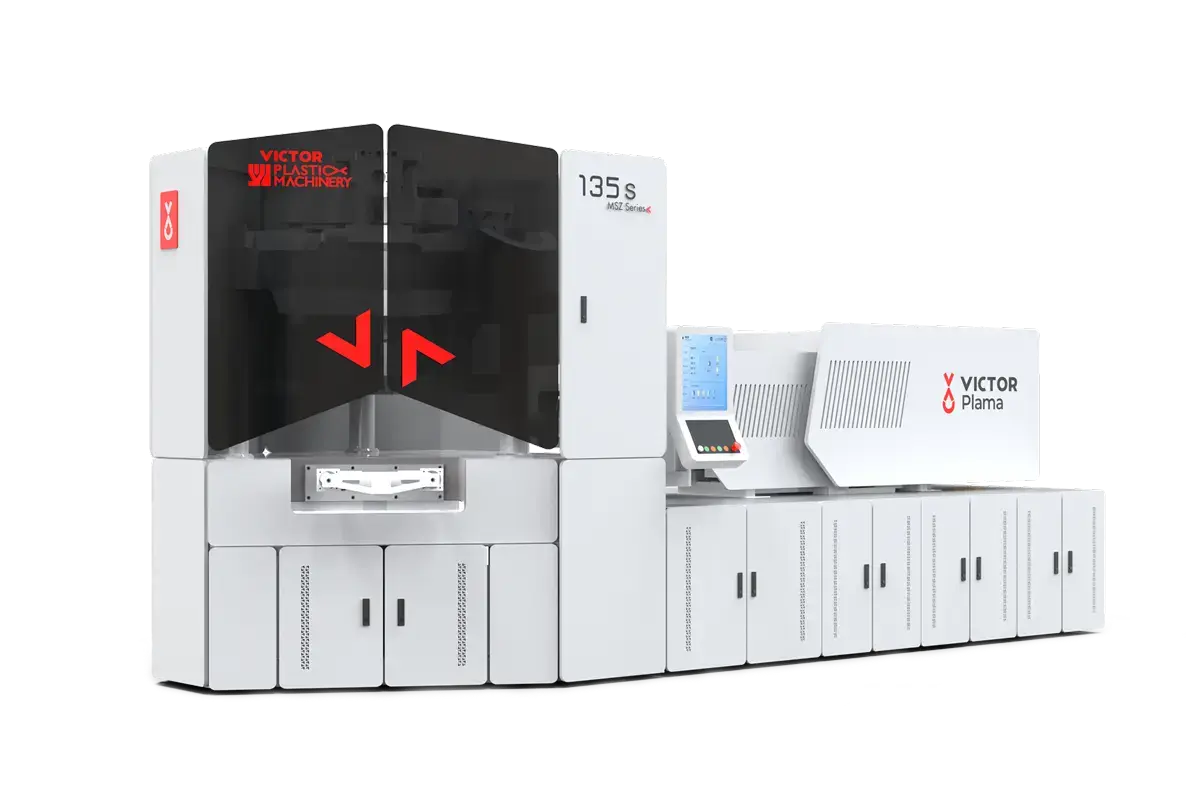
Best-fit applications
- Pharmaceutical pill bottles, eye dropper bottles, nasal spray bottles, and laboratory reagent bottles
- Cosmetic, personal-care, and healthcare containers with threaded necks or sealing surfaces
- HDPE, PP, PS, PE, and PETG bottles where low flash waste and repeatable dimensions matter
Quick Answer: How Does a Three-Station IBM Machine Work?
Injection: the machine injection-molds the preform and accurate bottle neck around a core rod. Blowing: the preform is transferred to the blow mold and expanded into the final bottle body. Stripping: the finished bottle is removed automatically without trimming a parison tail. This is why IBM is commonly selected for high-precision pharmaceutical and cosmetic packaging.
Three-Station IBM Process at a Glance
Injection
The neck, thread, shoulder, and preform are molded with high dimensional control around the core rod.
Blowing
The preform moves to the blow station, where air pressure expands it into the finished bottle cavity.
Stripping
The finished bottle is stripped from the core rod, reducing trimming work and keeping the neck clean.
Station 1: Injection Forms the Precision Preform
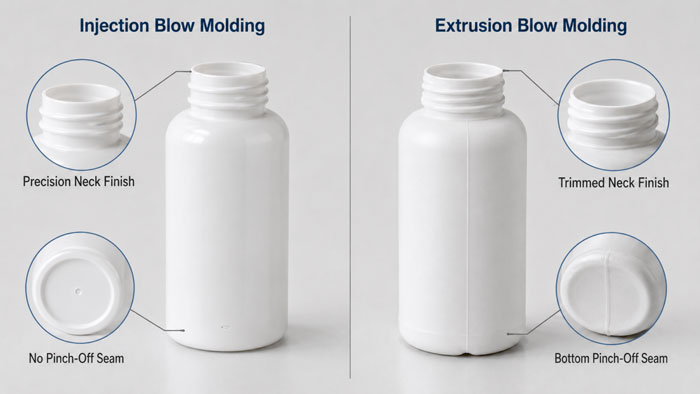
In the injection station, molten plastic is injected around the core rod to form the preform and neck finish. Because the thread and sealing surface are made by injection molding, IBM can hold tighter neck tolerances than processes that form the neck from an extruded parison.
This station is the reason an advanced injection blow molding machine is preferred for bottles that need cap sealing, dropper fit, pump compatibility, or clean-room handling.
Station 2: Blowing Expands the Bottle Body
After injection, the core rod transfers the preform into the blow mold. Compressed air expands the hot preform against the mold wall, creating the final bottle body while retaining the accurately molded neck.
| Process | Neck control | Waste level | Best-fit bottle type |
|---|---|---|---|
| Injection Blow Molding (IBM) | High, because the neck is injection molded | Low, with no parison trimming | Small precision bottles, pharma, cosmetics, droppers |
| Extrusion Blow Molding (EBM) | Moderate, formed from an extruded parison | Higher, because flash is trimmed | Larger bottles, handles, lower tooling-cost projects |
| Injection Stretch Blow Molding (ISBM) | High for PET preforms | Low to moderate | PET beverage and transparent packaging |
Station 3: Stripping Removes the Finished Bottle
At the stripping station, the finished bottle is removed from the core rod. Because the part does not need a tail cut from an extruded parison, the process helps reduce secondary trimming and keeps the bottle neck cleaner.
For pharmaceutical and cosmetic packaging buyers, this step supports cleaner production, lower scrap, and more predictable downstream capping or filling.
Why Buyers Choose Three-Station IBM for Pharma and Cosmetics
Precise neck finish
Threads and sealing surfaces are molded in the injection station, improving cap fit and leakage control.
Low flash waste
IBM avoids parison trimming, making it attractive for clean production and controlled material usage.
Stable wall thickness
Core rod transfer and mold design help maintain consistent bottle geometry across cavities.
Common Bottles Made by IBM

Typical product categories
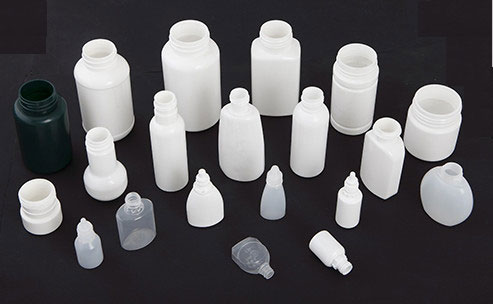
- Tablet, capsule, and vitamin bottles
- Eye dropper bottles and small dosing containers
- Cosmetic lotion bottles, jars, and personal-care packaging
- Laboratory reagent bottles and healthcare packaging
- Small food, seasoning, and household chemical containers
Machine Selection Checklist Before Requesting a Quote
Before selecting an MSZ model, Victor usually reviews the bottle drawing, material, weight target, neck finish, cavity count, output target, and downstream automation requirements.
| Project input | Why it matters |
|---|---|
| Bottle capacity and drawing | Defines clamp force, mold size, core rod layout, and cooling requirements. |
| Resin grade and bottle weight | Impacts plasticizing capacity, processing temperature, and cycle time. |
| Neck finish and cap type | Determines thread design, sealing tolerance, and mold precision requirements. |
| Required output and cavities | Connects the bottle design to the right machine size and mold configuration. |
Compare Victor IBM Machine Models
Use the full MSZ machine range page to compare model options, applications, and quote requirements for production planning.
Recommended Victor IBM Models
MSZ30
Suitable for small precision bottles such as eye droppers, medical dosing bottles, and compact healthcare packaging.
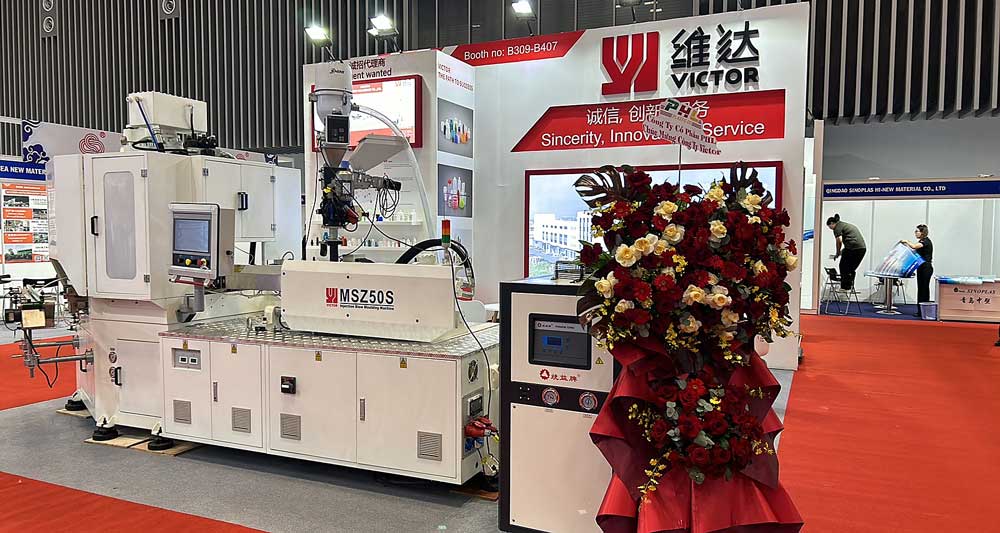
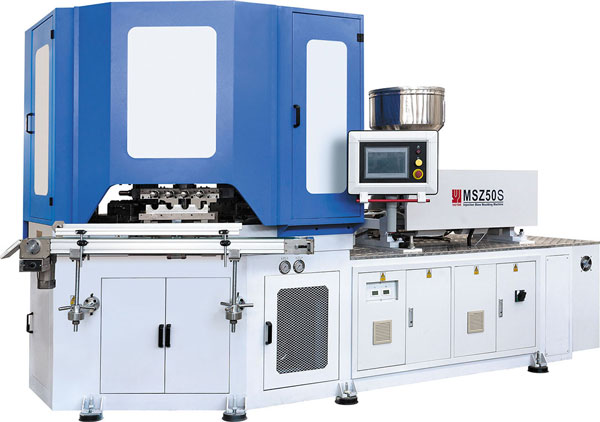
MSZ50S
A practical starting point for pharmaceutical, cosmetic, and healthcare bottles where stable precision matters.
Full MSZ range
Review Victor's complete MSZ injection blow molding machine range for bottle capacity, material, and production planning.
Engineering Support and Factory Evidence
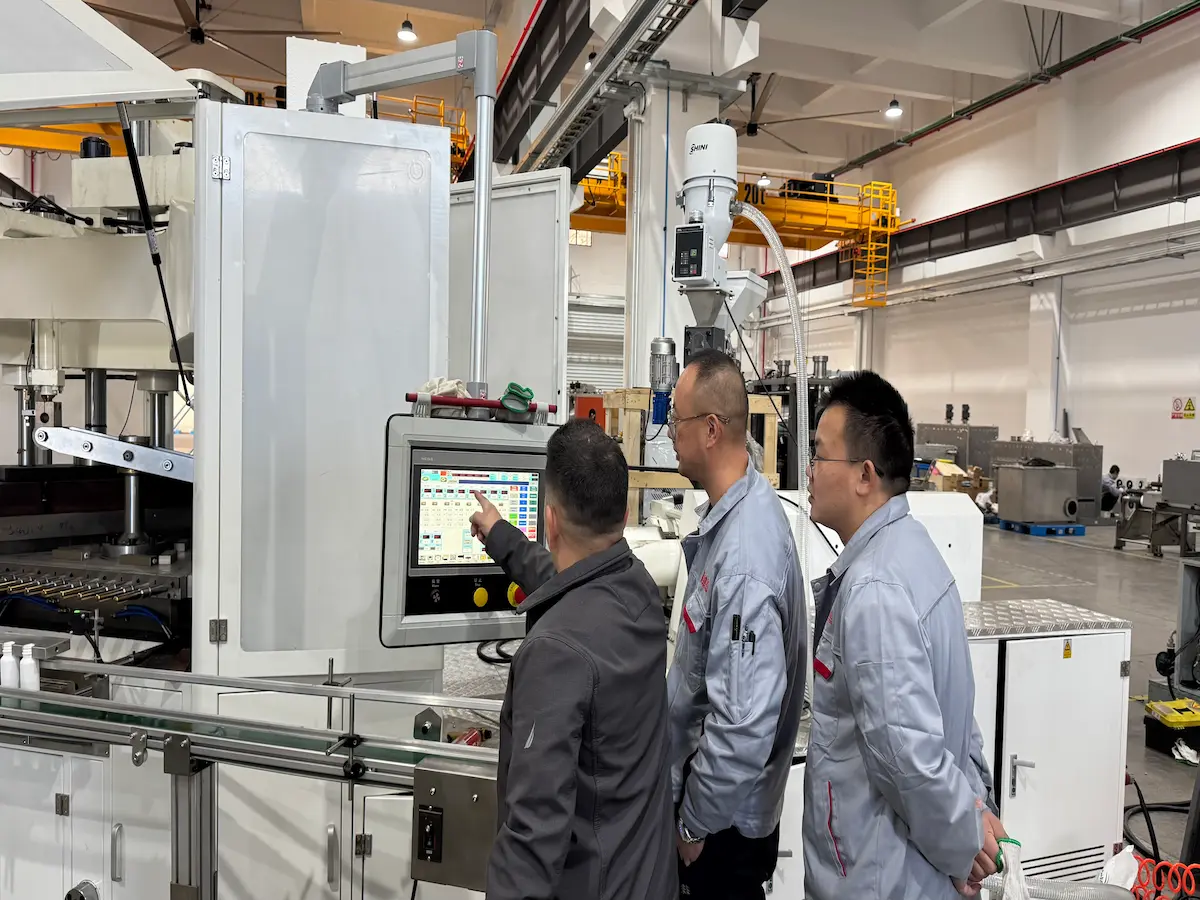
Victor reviews bottle drawings, resin selection, mold cavity count, and automation needs before recommending a machine. This engineering step is important because the correct IBM configuration depends on the bottle geometry and quality target, not only the nominal bottle volume.
Recommended Reading
Injection blow molding technology
Read the complete injection blow molding technology guide for IBM process fundamentals, tooling factors, applications, and machine selection.
IBM vs EBM
Compare injection blow molding and extrusion blow molding for process fit and bottle quality.
Pill bottle manufacturing
Learn how pill bottles are manufactured and why IBM is commonly used for solid-dose packaging.
Injection blow molds
Review IBM mold planning factors, cavity count, tooling service life, and bottle quality control.
Three-Station Injection Blow Molding FAQs
What are the three stations in an IBM machine?
The three stations are injection, blowing, and stripping. The injection station forms the preform and accurate neck. The blowing station expands the preform into the bottle shape. The stripping station removes the finished bottle from the core rod.
Why does a three-station IBM machine produce accurate bottle necks?
The bottle neck is formed by injection molding around the core rod before the bottle body is blown. This gives better control over threads, sealing surfaces, and cap fit than processes that form the neck from an extruded parison.
Which bottles are commonly made with three-station IBM?
Common products include pharmaceutical pill bottles, eye dropper bottles, cosmetic lotion bottles, laboratory reagent bottles, personal-care packaging, and other small precision containers.
Need to Match a Bottle to an IBM Machine?
Send Victor your bottle drawing, resin, neck finish, cap type, cavity target, and required output. The engineering team can recommend a suitable MSZ machine and mold plan.