Energy-Saving Technologies in Modern Injection-Blow Molding (IBM) Systems
Advantages of Modern IBM Systems in Energy Saving
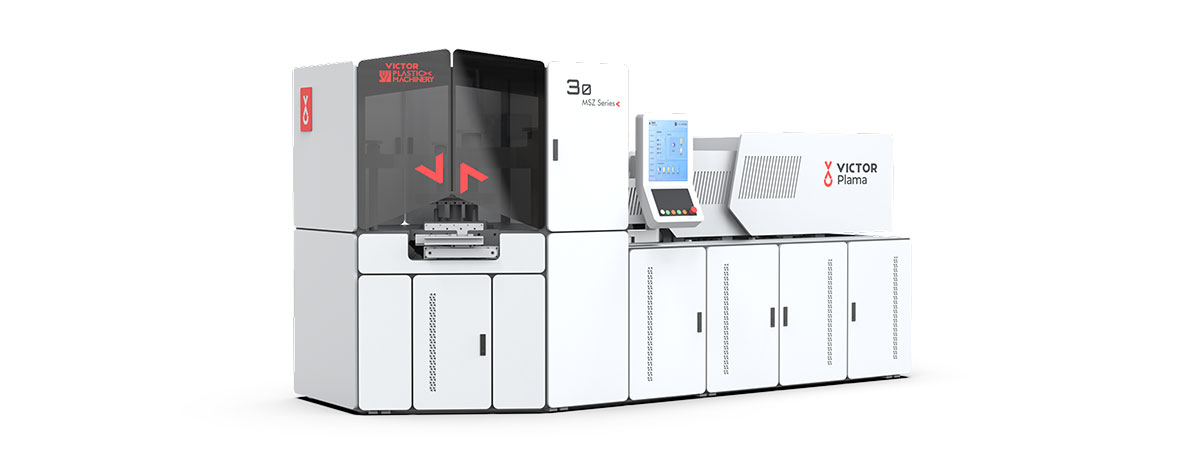
Modern injection-blow molding (IBM) systems have made tremendous progress in energy conservation. The energy-saving upgrades mainly target core energy-consuming components such as hydraulic systems, drive systems, and heating devices, addressing the historically high energy consumption of traditional equipment.
Early fully hydraulic machines suffered from:
- High energy consumption costs
- Hot, uncomfortable workshop environments
- Significant throttling energy loss in the hydraulic circuit (up to 36%–68%)
- Inefficient resistance heating on barrels and manifolds
Today, these challenges are being resolved through electromagnetic induction heating, servo system optimization, and waste heat recovery, which together significantly reduce overall energy consumption while maintaining stable production quality.
Balancing Energy-Saving and Quality in Modern IBM Systems
The perfect balance between energy saving and quality control relies on multiple technological improvements. Below are three core directions of energy-saving renovation in IBM equipment.
1. Electromagnetic Heating Energy-Saving Upgrades
Electromagnetic heating uses the principle of electromagnetic induction to convert electrical energy into electromagnetic energy for heating. Typically, it rectifies 220V, 50/60Hz AC into DC, then converts this DC into high-frequency, high-voltage power at 20–40 kHz.
Comparison with Traditional Resistance Heating
-
Long Service Life
The induction coil itself generates very little heat, resulting in minimal wear, no maintenance, and almost no replacement costs. The heating cable can withstand temperatures above 500°C, with a service life of up to 10 years. -
Safe and Reliable
The cylinder’s outer wall is heated via high-frequency electromagnetic action. Surface temperatures of the induction coil stay close to room temperature, safe for human contact and maintenance. -
Efficient and Energy-Saving
Internal heating causes the metal barrel itself to generate heat. Start-up is fast, preheating time can be reduced by about 60%, and thermal efficiency can exceed 90%. Compared with traditional resistance heating, power savings of 30–70% are achievable, greatly improving energy efficiency. -
Accurate Temperature Control
Because the coil does not heat itself, it has low thermal inertia. Temperatures inside and outside the barrel remain consistent, enabling real-time, precise temperature control. This improves both product quality and process stability. -
Good Insulation Performance
The electromagnetic coil uses specially wound high-temperature, high-voltage cable with strong insulation. There is no direct contact with the barrel and low risk of short circuits. -
Improved Working Environment
With internal heating as the main mechanism, external heat radiation is minimal, and the surface of the machine remains safe to touch. Workshop temperatures can drop from over 100°C (under resistance coil heating) to close to room temperature. This improves operator comfort, reduces ventilation and cooling requirements, and helps create a safer, more efficient production environment.
2. Servo Energy-Saving Renovation of Hydraulic Systems
The servo energy-saving system uses dual closed-loop control for pressure and flow. The hydraulic unit supplies oil only according to the actual pressure and flow demands in each stage of the cycle, overcoming the high energy consumption caused by high-pressure overflow in traditional constant-displacement pump systems.
- During high-flow phases (plasticizing, mold closing, injection), the servo motor runs at higher speed to meet flow demand.
- During low-flow phases (holding pressure, cooling), the motor speed is reduced significantly.
Overall, the actual energy consumption of the oil pump motor can typically be reduced by 35–75%, depending on the product and cycle settings.
3. Waste Heat Recovery Systems
Waste heat recovery systems collect heat from high-temperature components—such as injection barrels—and reuse it elsewhere in the process.
A typical IBM waste heat recovery solution:
- Guides heat from the barrel or heating zones to drying drums or material hoppers
- Replaces part or all of their electric heating demand
- Uses heat recovery elements, transfer components, and controllers to reuse energy without affecting normal machine operation
This approach is:
- Safe and reliable
- Compatible with existing process control
- Capable of significantly reducing or even fully offsetting the power consumption of traditional drying systems
Conclusion
Modern injection-blow molding systems achieve a more effective balance between energy conservation and high-quality production than ever before. By integrating:
- Electromagnetic induction heating
- Servo-driven hydraulic systems
- Waste heat recovery technologies
manufacturers can:
- Reduce overall energy costs
- Improve the working environment
- Maintain strict product quality standards
- Enhance sustainability and profitability at the same time
For producers of pharmaceutical, cosmetic, and daily chemical packaging bottles, upgrading to energy-efficient IBM systems is no longer just a trend—it’s a practical strategy for long-term competitiveness.