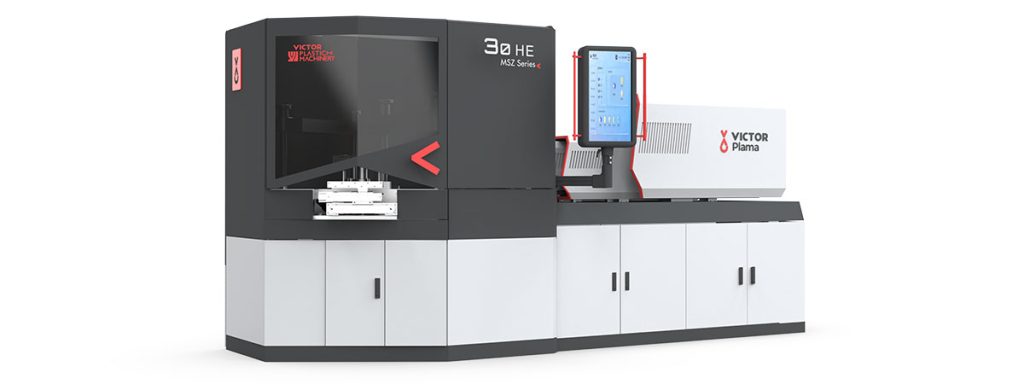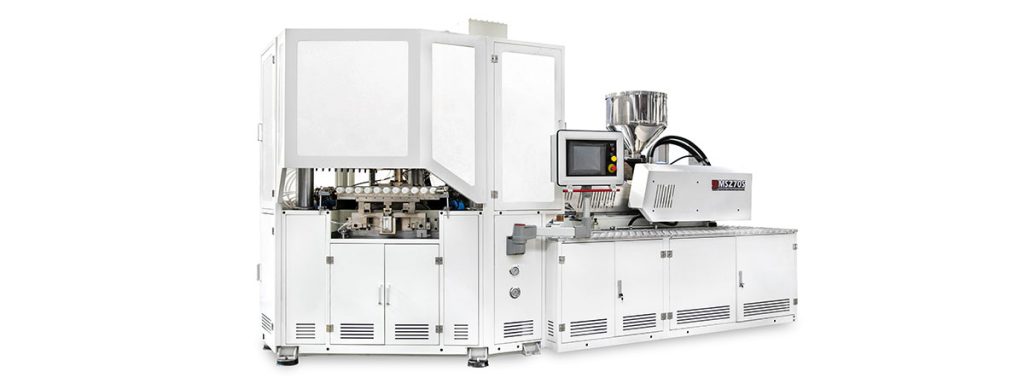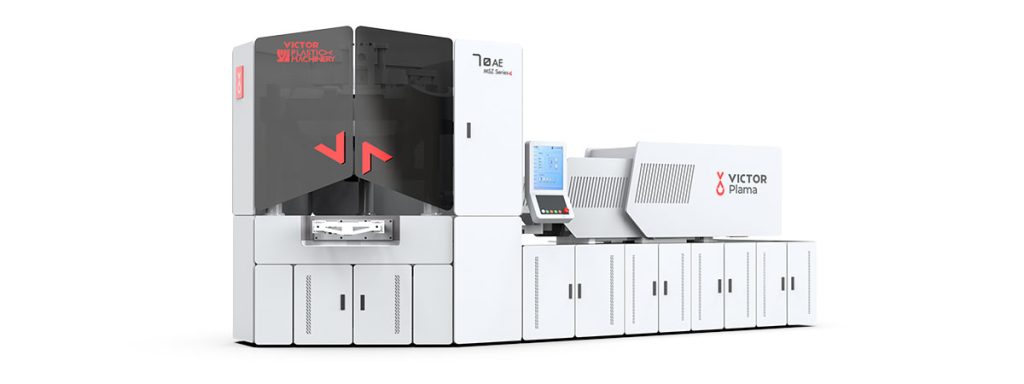
Full-Electric vs Hydraulic IBM Machines: Energy Consumption, Precision, and ROI

In the evolving landscape of industrial manufacturing, the decision between Full-Electric and Hydraulic Injection Blow Molding (IBM) machines is more than a technical selection—it’s a strategic commitment to your company’s future efficiency, quality, and financial health. For forward-thinking businesses like yours, understanding the nuanced interplay between energy consumption, precision, and return on investment is crucial. This isn’t about labeling one technology as universally superior; it’s about aligning advanced engineering with your specific production goals and vision for sustainable growth. The paradigm is shifting from pure power to intelligent performance, and the core of your production line sits at the heart of this transformation.

When it comes to Energy Consumption, the contrast between the two systems forms a compelling narrative of modern efficiency. Hydraulic machines, the reliable workhorses of industry for decades, operate on a constant principle: their pumps run continuously to maintain system pressure, consuming significant energy even during idle phases or non-peak cycles. This inherent characteristic, while ensuring readiness, translates to a higher baseline of electricity use. Full-electric machines, in stark contrast, represent a paradigm of targeted energy application. They utilize independent servo motors to drive each axis—injection, blow molding, and ejection—drawing power only when and where it is needed for specific movements. This on-demand functionality typically results in energy savings of 40% to 60% compared to their hydraulic counterparts. The implication extends beyond a reduced utility bill; it signifies a cooler, quieter workshop, diminished demand on facility cooling systems, and a substantially lower carbon footprint, aligning your operations with both environmental stewardship and rising global standards for sustainable manufacturing.

This leap in efficiency is perfectly matched by a revolutionary advance in Precision and Performance. Hydraulic systems are inherently susceptible to variables that can subtly influence output. Fluctuations in oil temperature alter viscosity and response times, while potential leaks can affect pressure consistency. These factors, however minimal, introduce variables into the molding process. Full-electric technology eliminates these variables at their source. The direct drive of servo motors provides unparalleled repeatability and control over every phase of the cycle—from the exact speed and pressure of injection to the precision of the blow stroke and the timing of part ejection. This results in exceptional consistency in part weight, wall thickness distribution, and dimensional accuracy. For applications demanding tight tolerances, superior surface finishes, or the processing of high-end engineering resins, the full-electric machine offers a level of control that directly enhances product quality, reduces rejection rates, and unlocks possibilities for more sophisticated and valuable productions.

Naturally, these advantages lead to the critical question of Return on Investment (ROI). The initial purchase price of a full-electric IBM machine is often higher than that of a hydraulic unit, and this is a vital part of the financial consideration. However, a truly strategic ROI analysis looks beyond the initial invoice to the total cost of ownership and the value generated over the machine’s lifecycle. The dramatic energy savings begin accruing from day one, directly boosting your bottom line. The gains in precision translate into less material waste, fewer quality-related disruptions, and higher throughput of sellable products. Furthermore, full-electric machines have fewer components prone to wear and tear associated with hydraulic oil, filters, and seals, leading to lower long-term maintenance costs and reduced downtime. When you calculate the cumulative impact of lower operational expenses, higher productivity, and superior output quality, the ROI picture becomes clear and compelling. The investment transforms from a capital expense into a powerful driver of per-unit profitability and competitive advantage.

At Victor, we believe in providing solutions that empower your success for the next decade, not just the next project. The journey toward greater efficiency, unmatched precision, and robust financial returns is not a one-size-fits-all path. It requires a thoughtful partnership. We invite you to engage with our engineering team to analyze your specific production portfolio, from material types and cycle times to quality benchmarks and sustainability targets. Together, we can build a detailed comparison, modeling the energy savings, quality improvements, and financial returns that a transition to advanced full-electric IBM technology can deliver for your unique operation. Let’s move beyond comparison and craft a solution that powers your progress. Contact Victor today to schedule a consultation and take the first step toward redefining what your manufacturing line can achieve.

Facebook
Twitter
LinkedIn

Recent News

Fill out my online form.
滚动至顶部