Injection Blow Molding for High-Barrier Medicine Bottles
1.IBM's Advantages in Materials and Performance
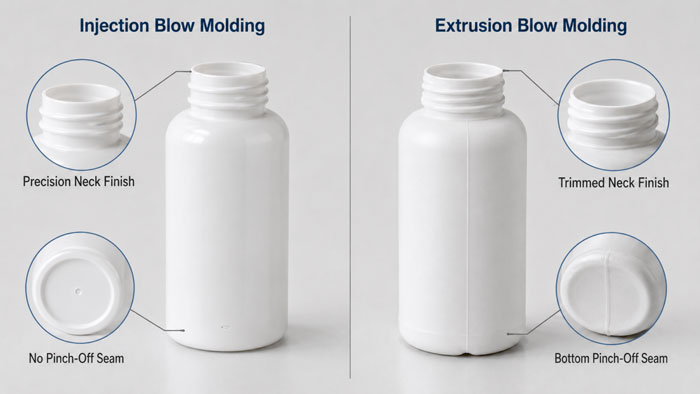
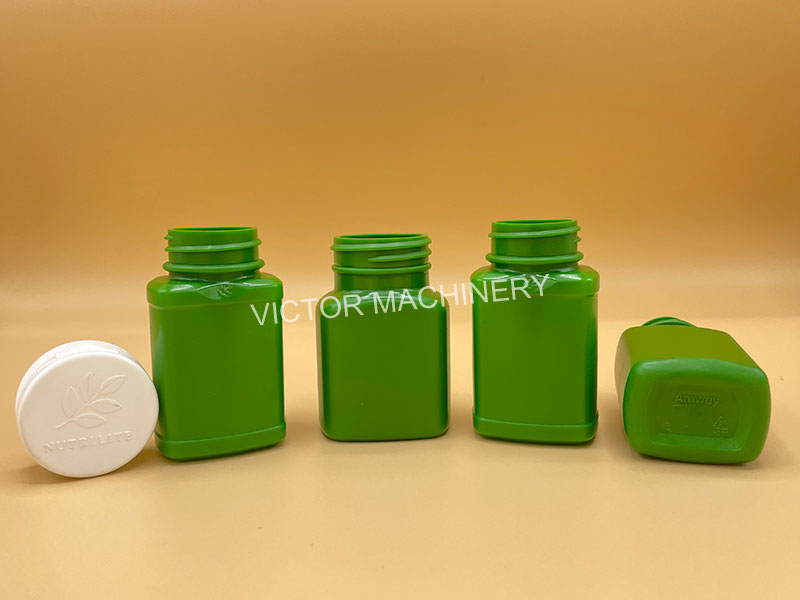
The key advantage of IBM lies in its ability to produce high-barrier bottles with uniform wall thickness, precise neck dimensions, and excellent sealing performance—all essential for pharmaceutical packaging. The preform injection stage allows for exact control of the neck’s thread profile and finish, ensuring a tight seal with caps or closures to prevent moisture and oxygen ingress. During blow molding, the plastic is stretched biaxially (axially by a stretch rod and radially by compressed air), aligning the molecular chains to enhance mechanical strength, transparency, and barrier properties. This molecular orientation is critical for improving resistance to gas and moisture permeation, making IBM bottles far superior to those produced by conventional blow molding methods.
2.IBM's Position in the Field of High-Barrier Materials
Compatibility with high-barrier materials further solidifies IBM’s role in manufacturing medicine bottles. Pharmaceutical packaging often requires materials that can block oxygen, moisture, and UV light to extend drug shelf life. Common materials used in IBM for high-barrier applications include polyethylene terephthalate (PET), high-density polyethylene (HDPE), polypropylene (PP), and advanced multi-layer composites such as PE-EVOH-PE. These multi-layer structures combine the mechanical properties of base polymers with the exceptional barrier performance of ethylene vinyl alcohol (EVOH), effectively preventing contaminant penetration. For example, TekniPlex Healthcare utilizes multi-layer IBM technology to produce bottles with up to five layers, meeting the strict barrier requirements of sensitive pharmaceutical formulations, including preservative-free ophthalmic drugs.
3.Examples of IBM Technology Applied to Various High-Barrier Medicine Bottles
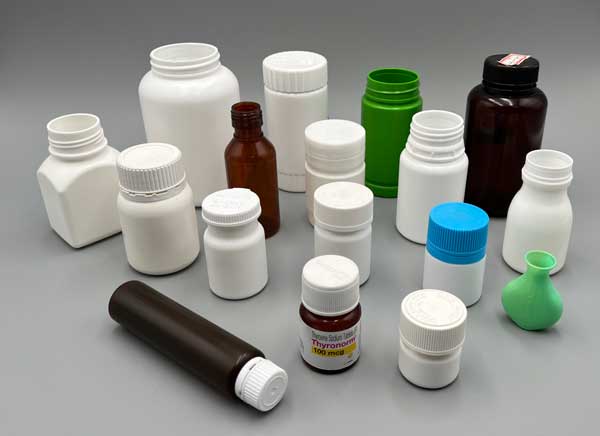
The versatility of IBM makes it suitable for a wide range of high-barrier medicine bottle applications. It is commonly used to produce small-volume bottles (5-300 mL) for oral liquids, tablets, capsules, and sterile injectables, as well as larger containers for veterinary vaccines. The process can accommodate custom shapes and sizes, allowing manufacturers to design bottles tailored to specific drug requirements—such as squeezable ophthalmic bottles compatible with Aptar Pharma’s dispenser technology. IBM is also ideal for producing tamper-evident and child-resistant bottles, integrating safety features directly into the molding process to enhance patient safety.
Future Prospects and Conclusion
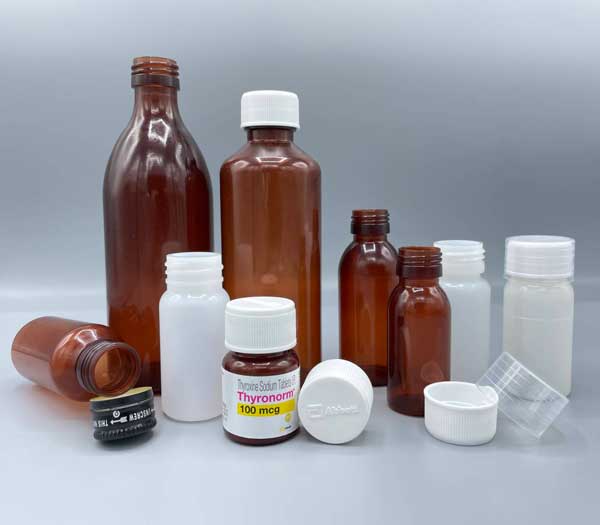
In conclusion, injection blow molding is a critical technology for producing high-barrier medicine bottles, offering unmatched precision, hygiene, and compatibility with advanced barrier materials. Its ability to create uniform, tightly sealed containers with enhanced molecular orientation ensures the protection and stability of sensitive pharmaceuticals, meeting the strict regulatory and performance requirements of the industry. As technological advancements continue to improve process efficiency, sustainability, and customization, IBM will remain at the forefront of pharmaceutical packaging innovation, supporting the development of safer, more effective drug delivery solutions.