The global packaging industry is undergoing a profound transformation driven by the urgent need to address plastic pollution and achieve sustainability goals. With annual plastic production exceeding 410 million tonnes and 35% of this used for packaging—most of which ends up in landfills or oceans—the shift toward eco-friendly alternatives has become a necessity rather than an option.
Among the most prominent trends shaping the future of sustainable packaging are recycled polyethylene terephthalate (rPET), bio-based plastics, and the adoption of circular economy principles. These three elements work in tandem to reduce environmental impact, minimize waste, and create a more sustainable system for packaging production and consumption. :contentReference[oaicite:0]{index=0}
rPET: A Scalable and Low-Carbon Packaging Solution
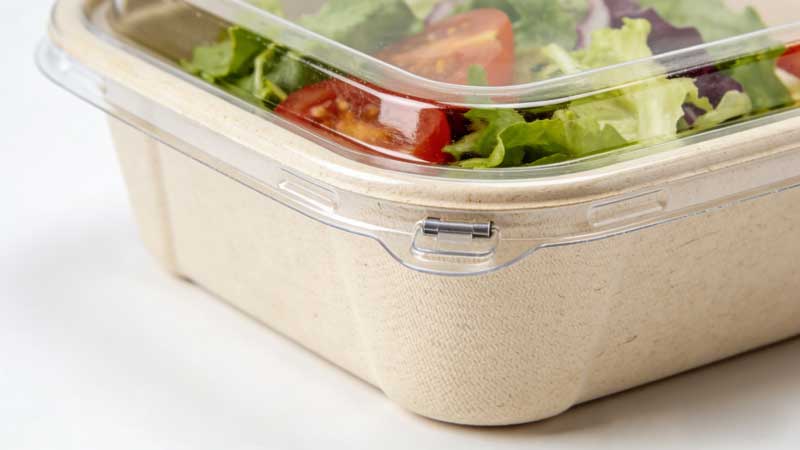
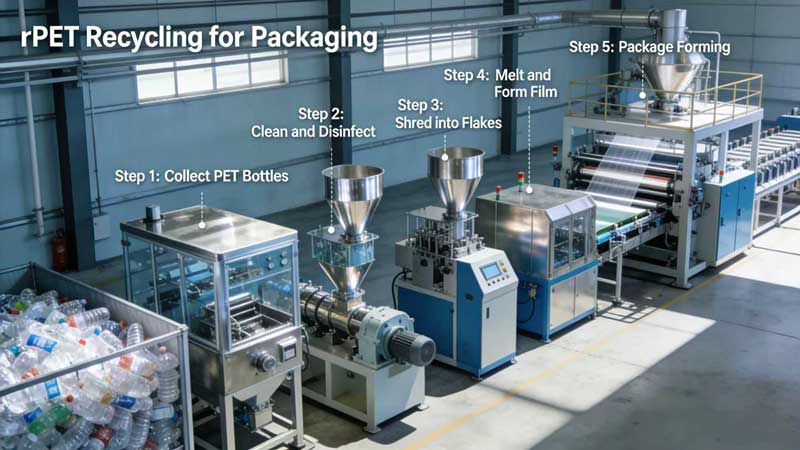
rPET has emerged as a leading solution in the quest for eco-friendly packaging, thanks to its scalability, versatility, and proven environmental benefits. Derived from post-consumer PET bottles and packaging, rPET undergoes a rigorous process of collection, sorting, washing, and reprocessing to restore its mechanical properties, making it suitable for a wide range of applications across industries.
Unlike virgin PET, which relies on fossil fuels and generates significant carbon emissions during production, rPET reduces plastic waste and lowers carbon footprints. One tonne of rPET can save up to 1.8 tonnes of carbon dioxide compared to virgin PET production.
The food and beverage, beauty, and retail sectors have embraced rPET most widely. It is used for:
- Bottled beverages
- Salad bowls
- Shampoo bottles
- Retail display packaging
These applications offer the same clarity, durability, and functionality as virgin PET while demonstrating environmental responsibility.
Governments are also driving rPET adoption through regulations such as the EU Single-Use Plastics Directive and Extended Producer Responsibility (EPR) programs.
Despite challenges like contamination issues and limited recycling infrastructure in developing regions, rPET’s market growth remains strong. The global recyclable packaging market is projected to reach $286.3 billion by 2032.
Bio-based Plastics: Renewable Alternatives to Fossil Fuel-Based Materials

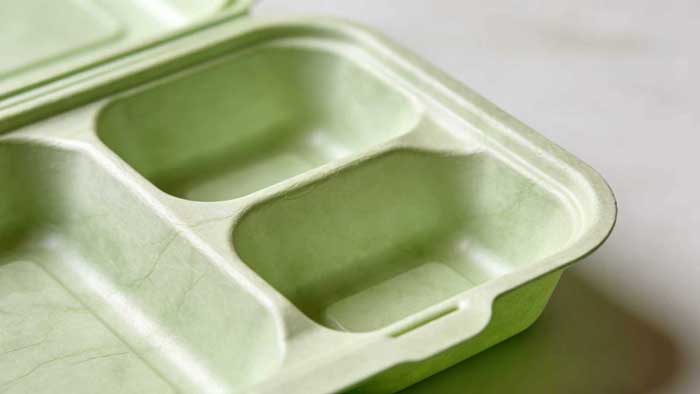
Bio-based plastics represent another key trend revolutionizing eco-friendly packaging by providing renewable alternatives to fossil fuel-based plastics.
These materials are produced from renewable biomass sources, including:
- Corn starch
- Sugarcane
- Algae
- Agricultural or food waste
Because they are derived from renewable feedstocks, bio-based plastics are independent of finite petroleum resources and contribute to a more sustainable lifecycle.
Many bio-based plastics also feature lower carbon footprints and can be biodegradable under controlled conditions. However, biodegradability depends on both molecular structure and environmental conditions.
Common types include:
- PLA (Polylactic Acid) – derived from corn starch
- PHA (Polyhydroxyalkanoates) – produced by microorganisms
These materials are used in applications such as:
- Food packaging
- Disposable utensils
- Compostable bags
Bio-based plastics can often integrate with existing recycling streams and may also be composted, offering flexible end-of-life options that reduce landfill waste.
Challenges remain, including:
- Higher production costs
- Need for improved recycling infrastructure
- Lack of standardized policies for material identification
Despite these barriers, adoption continues to grow as brands pursue sustainability commitments and respond to environmentally conscious consumers.
Circular Economy: The Foundation of Sustainable Packaging Systems
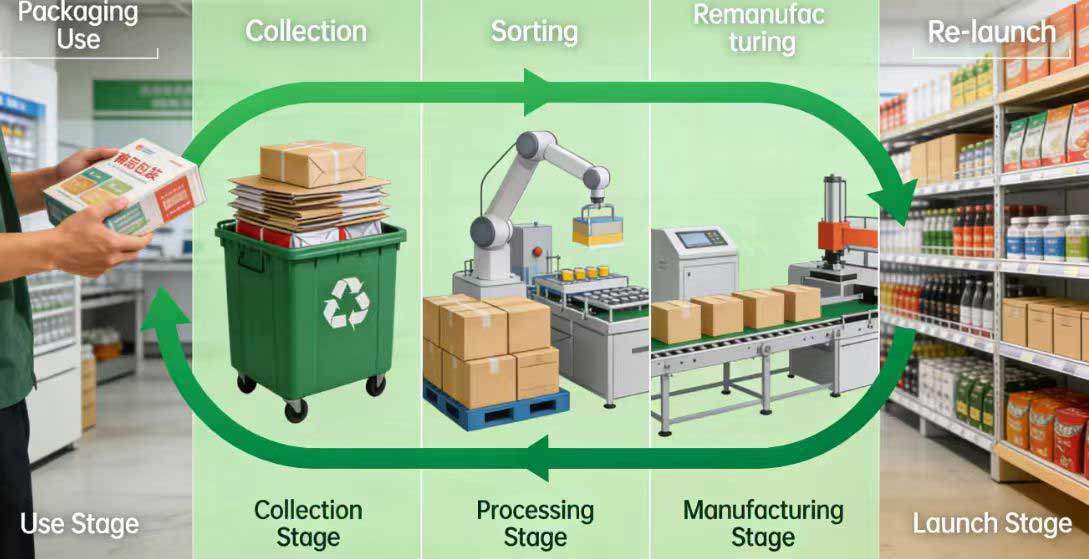
The growth of rPET and bio-based plastics is supported by the broader concept of the circular economy, which replaces the traditional linear “take–make–dispose” model with one based on reuse, recycling, and regeneration.
In packaging systems, the circular economy aims to:
- Keep materials in use for as long as possible
- Eliminate waste
- Reduce dependence on virgin resources
For rPET, this involves closed-loop recycling systems where used PET packaging is collected, recycled, and turned back into new packaging materials.
For bio-based plastics, circular economy practices include:
- Sourcing biomass sustainably
- Ensuring materials are recyclable or biodegradable
- Integrating these materials into closed-loop systems
Brands are increasingly adopting circular practices. For example, Coca-Cola launched a returnable glass bottle program in Mexico, saving 20% of packaging costs while improving customer loyalty.
In addition, digital technologies such as QR codes and blockchain are being used to improve traceability across the packaging lifecycle, helping ensure proper recycling and responsible material management.
The circular economy offers significant economic opportunities as well, with the potential to unlock $4.5 trillion in global economic growth by 2030.
Synergy and Collaboration: Realizing the Full Potential of Sustainable Packaging
The synergy between rPET, bio-based plastics, and circular economy systems is critical in addressing the global packaging waste crisis.
Each component contributes a unique value:
- rPET reduces existing plastic waste and provides scalable recycling solutions
- Bio-based plastics reduce reliance on fossil resources
- Circular economy systems ensure materials remain in productive use
However, achieving the full potential of these solutions requires collaboration among multiple stakeholders.
Governments must:
- Implement stronger environmental regulations
- Provide financial incentives for sustainable materials
- Invest in recycling infrastructure
Industries need to:
- Innovate in sustainable material development
- Improve production efficiency
- Design packaging for recyclability and reuse
Consumers also play a vital role by:
- Choosing eco-friendly packaged products
- Properly sorting recyclable materials
- Supporting sustainable brands
A recent survey found that 73% of global consumers are willing to change their consumption habits to reduce environmental impact.
Future Prospects and Conclusion
Looking ahead to 2026 and beyond, the adoption of rPET, bio-based plastics, and circular economy principles will continue to accelerate.
This growth is driven by:
- Government regulations
- Increasing consumer awareness
- Technological innovation in materials and recycling systems
These trends are not temporary shifts but represent essential components of a more sustainable future for the global packaging industry.
By embracing these innovations, industries can:
- Reduce plastic pollution
- Conserve natural resources
- Create economically viable and environmentally responsible packaging systems
The transition toward fully sustainable packaging will require continued collaboration and commitment. However, with the combined efforts of governments, industries, and consumers, it is possible to build a circular packaging economy that benefits people, the planet, and future generations.