What Makes a High-Quality Injection Blow Mold?
In injection blow molding (IBM), the mold plays a decisive role in product quality, production stability, and long-term manufacturing efficiency. For manufacturers of pharmaceutical bottles, cosmetic containers, healthcare packaging, and other precision small bottles, a high-quality injection blow mold is not just a shaping tool. It is the foundation of accurate dimensions, reliable sealing, smooth appearance, and consistent mass production.
Compared with other blow molding processes, IBM places higher requirements on mold precision. The plastic material is first injection molded into a preform around the core rod, and then transferred to the blow molding station to form the final bottle. This means that the injection cavity, core rod, and blow cavity must work together with excellent accuracy. Any small deviation may affect the neck finish, wall thickness, bottle shape, or sealing performance.
Precision Mold Design for Reliable Bottle Quality
Accurate Neck Finish Control
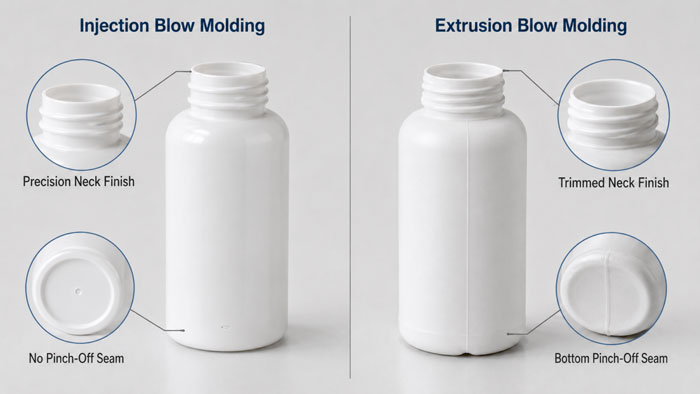
One of the key advantages of injection blow molding is its ability to produce highly accurate neck finishes. This is especially important for products such as eye drop bottles, medicine bottles, nasal spray bottles, oral liquid bottles, and small cosmetic containers.
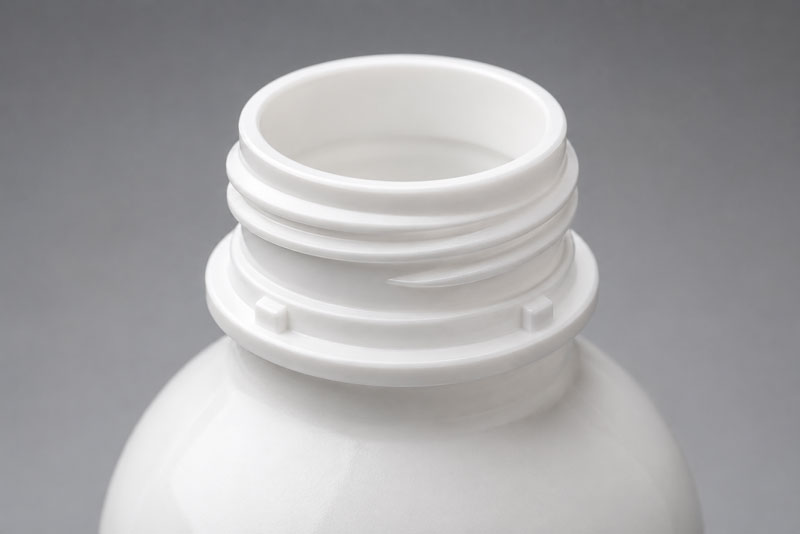
In these applications, the bottle neck must match caps, plugs, droppers, or dispensing components precisely. A high-quality injection blow mold helps ensure stable thread dimensions, smooth sealing surfaces, accurate inner and outer diameters, and consistent bottle openings. If the neck finish is not accurate, the final product may face leakage, poor cap fitting, unstable sealing, or assembly problems.
For pharmaceutical and healthcare packaging, this level of precision is not only about appearance. It directly affects product safety, usability, and customer trust.
Stable Cavity and Core Rod Alignment
In IBM production, the core rod carries the preform from the injection station to the blow molding station. Therefore, the alignment between the injection mold, core rod, and blow mold is extremely important.
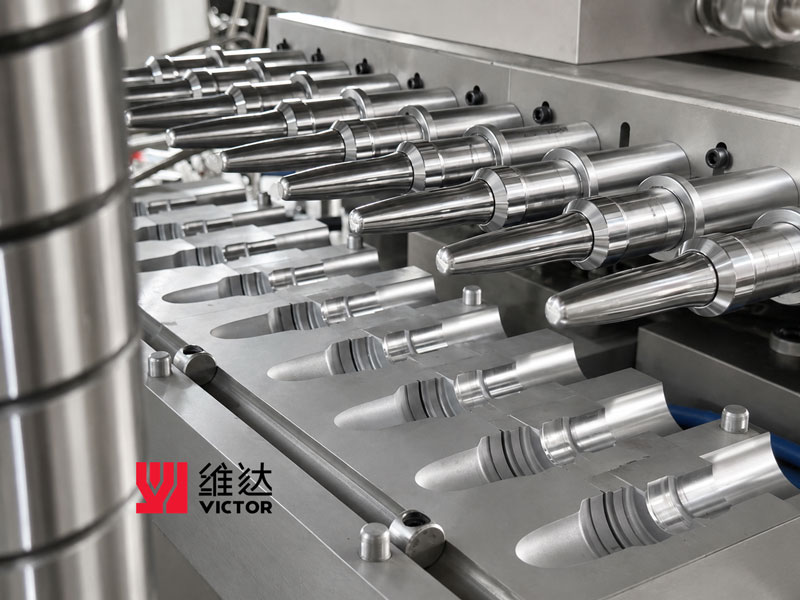
A high-quality mold is manufactured with strict tolerances to ensure accurate positioning during every production cycle. Good alignment helps reduce eccentricity, uneven wall thickness, bottle deformation, scratches, and unstable dimensions. It also supports smoother machine operation and more consistent output in multi-cavity production.
Optimized Mold Structure for Wall Thickness Distribution
Balanced Material Distribution
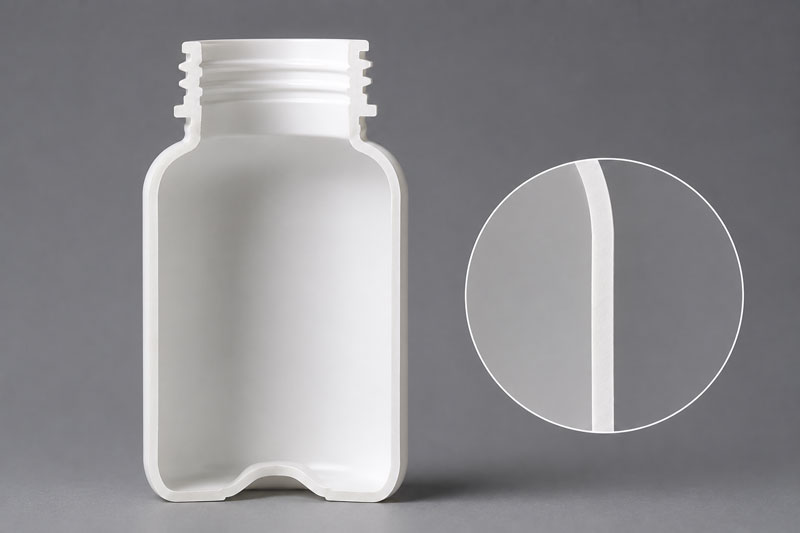
Wall thickness distribution is one of the most important indicators of bottle quality. A well-designed injection blow mold helps the plastic material flow and stretch evenly from the preform stage to the final bottle shape.
For small precision bottles, even a slight imbalance in material distribution may lead to weak areas, thick shoulders, thin corners, or inconsistent transparency. These problems can affect the bottle’s strength, drop resistance, filling performance, and visual quality.
A high-quality IBM mold should be designed according to the bottle structure, resin characteristics, filling requirements, and final application. This helps achieve better balance between lightweight design, mechanical strength, and stable production.
Smooth Shoulder and Body Transitions
Many injection blow molded bottles have functional shapes, such as narrow necks, rounded shoulders, compact bodies, or special sealing areas. These transition areas must be carefully considered during mold design.
Sharp or unreasonable transitions may cause stress concentration, uneven stretching, or visible defects on the bottle surface. A high-quality mold uses smooth and practical structural design to improve blowing stability and help the bottle maintain good appearance and reliable performance during filling, capping, labeling, and transportation.
Durable Mold Materials and Fine Surface Finish
High-Performance Mold Steel
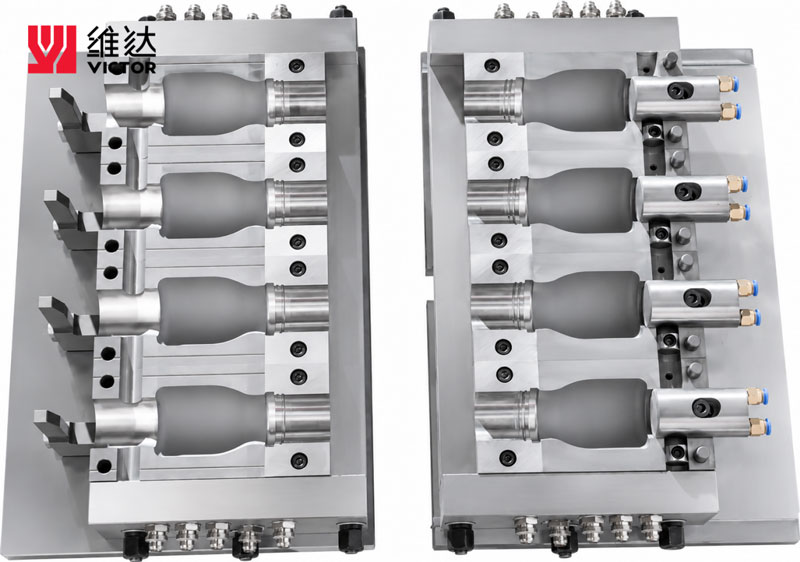
A high-quality injection blow mold must be made from suitable mold steel with good hardness, wear resistance, corrosion resistance, and polishing performance. During continuous IBM production, the mold works under repeated pressure, temperature changes, and mechanical movement. Poor mold material can lead to faster wear, dimensional changes, surface defects, and unstable product quality.
For pharmaceutical and cosmetic packaging, mold durability is especially important. These industries often require clean bottle surfaces, precise dimensions, and consistent appearance over long production runs. A durable mold helps reduce maintenance frequency, extend service life, and lower the total production cost.
Excellent Polishing Quality
The surface finish of the mold directly affects the final bottle appearance. For transparent and semi-transparent containers, any scratch, machining mark, or rough area on the mold surface may be transferred to the bottle.
Fine polishing is especially important for the bottle body, shoulder, neck finish, and sealing areas. A smooth mold surface can improve product appearance and also support easier demolding. When bottles are released smoothly from the mold, the risk of scratches, deformation, and production interruption is greatly reduced.
Efficient Cooling for Stable Production
Uniform Mold Temperature Control
Cooling design is another key factor in mold quality. A high-quality injection blow mold should have an efficient and balanced cooling system to remove heat evenly from the molded part.
Uneven cooling may cause shrinkage differences, warpage, dimensional instability, and longer cycle times. In practical production, stable mold temperature helps maintain consistent bottle dimensions from cavity to cavity and from batch to batch.
Stable Cycle Time and Higher Yield
Good cooling design supports a stable production cycle without sacrificing product quality. This is especially valuable for manufacturers that need continuous production of medicine bottles, eye drop bottles, cosmetic bottles, and other high-volume packaging products.
A reliable mold should not only produce good samples during trial production. More importantly, it should maintain stable performance during long-term mass production. Fewer defects, smoother demolding, and stable dimensions all contribute to higher yield and better production efficiency.
Easy Maintenance and Long-Term Reliability
Practical Mold Structure
A good injection blow mold should be designed for convenient daily maintenance. Key components such as inserts, sealing areas, core-related parts, and wear parts should be easy to inspect, clean, and replace when necessary.
In IBM production, small resin residues, contamination, or component wear may affect bottle quality. A practical mold structure helps operators maintain the mold more efficiently and reduces unexpected downtime.
Consistent Performance Over Long Runs
The true value of a high-quality injection blow mold is proven in long-term production. It should maintain precision, surface quality, and stable operation after repeated cycles. For bottle manufacturers, this means fewer rejects, lower maintenance costs, more stable delivery schedules, and better customer satisfaction.
Conclusion
A high-quality injection blow mold is essential for stable and precise IBM production. It combines accurate mold design, reliable core rod alignment, optimized wall thickness distribution, durable mold materials, fine polishing, efficient cooling, and easy maintenance.
For precision packaging such as eye drop bottles, medicine bottles, healthcare containers, and cosmetic bottles, mold quality directly affects sealing performance, product appearance, bottle strength, and production efficiency. Choosing a well-designed and well-manufactured injection blow mold helps manufacturers improve product consistency, reduce defects, and achieve long-term stable operation.
In injection blow molding, the mold is more than a production tool. It is a key guarantee of bottle quality, manufacturing reliability, and competitive packaging performance.