Injection Blow Molding Machine Maintenance Tips for Long-Term Stable Operation
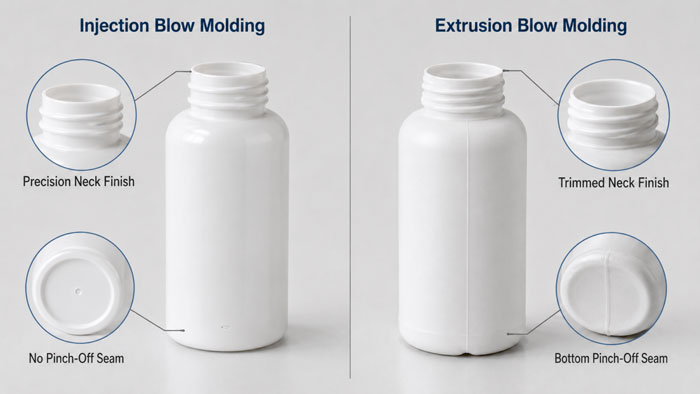
Injection blow molding machines are widely used in the production of small and medium-sized hollow plastic products, such as pharmaceutical bottles, cosmetic containers, eye drop bottles, beverage packaging, and precision plastic vessels. Compared with other molding processes, injection blow molding offers excellent neck accuracy, smooth surface quality, stable wall thickness, and low material waste. These advantages make it especially suitable for products that require strict sealing performance, clean appearance, and consistent dimensional accuracy.
However, long-term stable operation does not depend only on the design quality of the machine. Daily maintenance, correct operation, and regular inspection are equally important. A well-maintained injection blow molding machine can reduce downtime, improve product consistency, extend service life, and lower production costs. On the other hand, poor maintenance may lead to unstable bottle weight, flashing, poor transparency, mold damage, hydraulic leakage, heating failure, and frequent production interruptions.
For factories that run continuous production, especially in packaging industries with high delivery requirements, machine stability is directly related to production efficiency and customer satisfaction. Therefore, maintenance should not be treated as an emergency task only after problems appear. It should be a planned and systematic part of daily production management.
However, long-term stable operation does not depend only on the design quality of the machine. Daily maintenance, correct operation, and regular inspection are equally important. A well-maintained injection blow molding machine can reduce downtime, improve product consistency, extend service life, and lower production costs. On the other hand, poor maintenance may lead to unstable bottle weight, flashing, poor transparency, mold damage, hydraulic leakage, heating failure, and frequent production interruptions.
For factories that run continuous production, especially in packaging industries with high delivery requirements, machine stability is directly related to production efficiency and customer satisfaction. Therefore, maintenance should not be treated as an emergency task only after problems appear. It should be a planned and systematic part of daily production management.
1: Keep the Injection Unit and Plasticizing System in Good Condition
The injection unit is one of the most important parts of an injection blow molding machine. It is responsible for melting the plastic material and injecting it into the preform mold. If this system is not properly maintained, the quality of the preform will become unstable, which will directly affect the final bottle shape, wall thickness, weight, and appearance.
Operators should regularly check the screw, barrel, nozzle, and heating bands. During production, abnormal plasticizing conditions may appear as black spots, material degradation, color streaks, bubbles, or unstable shot weight. These problems are often related to incorrect temperature settings, material residue, worn screw parts, or poor cleaning procedures.
Operators should regularly check the screw, barrel, nozzle, and heating bands. During production, abnormal plasticizing conditions may appear as black spots, material degradation, color streaks, bubbles, or unstable shot weight. These problems are often related to incorrect temperature settings, material residue, worn screw parts, or poor cleaning procedures.
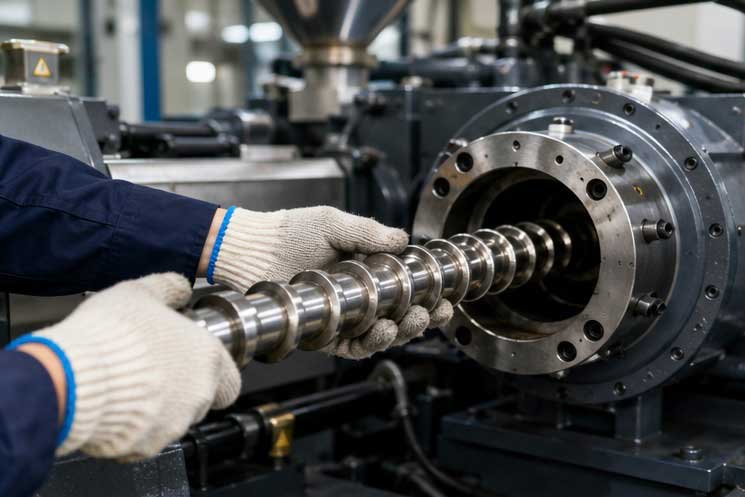
For example, when producing pharmaceutical bottles with high cleanliness requirements, even a small amount of burnt material inside the barrel may cause visible defects and product rejection. Therefore, the barrel should be purged properly when changing materials or colors. The correct purging material and temperature should be selected according to the resin type, such as PP, PE, PETG, or other commonly used plastics.
The nozzle should also be kept clean and free from blockage. A blocked or partially blocked nozzle can cause insufficient injection pressure, short shots, unstable preform weight, and poor neck formation. Since injection blow molded products usually require accurate neck dimensions for caps, droppers, pumps, or sealing parts, any instability in the injection stage may create serious assembly problems later.
Heating bands and thermocouples should be inspected frequently. If one heating zone fails or gives inaccurate temperature feedback, the material may not melt evenly. This can result in uneven flow, poor transparency, or internal stress in the molded product. In actual production, operators should pay attention to temperature fluctuations on the control panel and compare them with product quality changes.
Lubrication of moving parts in the injection unit is also necessary. Guide rods, sliding parts, and mechanical joints should be lubricated according to the manufacturer’s maintenance schedule. Lack of lubrication can increase wear, create abnormal noise, and reduce movement accuracy. Over time, this may affect injection repeatability and machine stability.
The nozzle should also be kept clean and free from blockage. A blocked or partially blocked nozzle can cause insufficient injection pressure, short shots, unstable preform weight, and poor neck formation. Since injection blow molded products usually require accurate neck dimensions for caps, droppers, pumps, or sealing parts, any instability in the injection stage may create serious assembly problems later.
Heating bands and thermocouples should be inspected frequently. If one heating zone fails or gives inaccurate temperature feedback, the material may not melt evenly. This can result in uneven flow, poor transparency, or internal stress in the molded product. In actual production, operators should pay attention to temperature fluctuations on the control panel and compare them with product quality changes.
Lubrication of moving parts in the injection unit is also necessary. Guide rods, sliding parts, and mechanical joints should be lubricated according to the manufacturer’s maintenance schedule. Lack of lubrication can increase wear, create abnormal noise, and reduce movement accuracy. Over time, this may affect injection repeatability and machine stability.
2: Maintain the Mold, Clamping System, and Blow Molding Station Carefully
The mold system is the core of product forming in injection blow molding. It usually includes the injection mold, core rods, blow mold, and related cooling channels. Because injection blow molding requires accurate transfer of the preform from the injection station to the blow station, mold precision and alignment are extremely important.
The mold surface should be cleaned regularly. Dust, oil, plastic residue, or cooling water scale may affect the appearance of bottles and containers. For cosmetic packaging, surface defects such as scratches, dents, flow marks, or dull areas can reduce the product’s visual value. For medical or pharmaceutical packaging, mold contamination may also create cleanliness concerns.
The mold surface should be cleaned regularly. Dust, oil, plastic residue, or cooling water scale may affect the appearance of bottles and containers. For cosmetic packaging, surface defects such as scratches, dents, flow marks, or dull areas can reduce the product’s visual value. For medical or pharmaceutical packaging, mold contamination may also create cleanliness concerns.
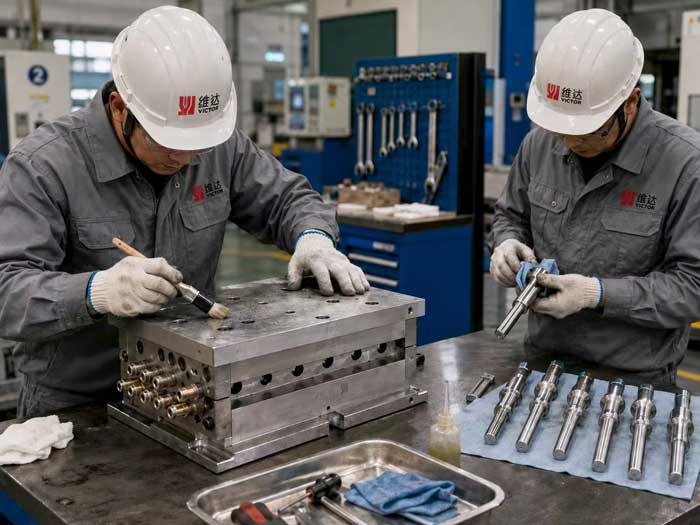
Core rods require special attention. In injection blow molding, the core rod forms the inside of the preform and supports it during transfer and blowing. If the core rod is scratched, bent, worn, or poorly cooled, the final product may show uneven wall thickness, poor concentricity, or unstable bottle mouth dimensions.
Operators should avoid hitting the core rods during mold installation or cleaning. Any damaged core rod should be repaired or replaced in time.
Cooling channels should be checked to ensure smooth water flow. Stable mold temperature is essential for consistent molding cycles. If cooling is blocked by scale or dirt, the preform may not cool evenly, and the blow molding result may become unstable. In some cases, poor cooling can cause deformation, sticking, long cycle time, or difficulty in demolding.
Using clean cooling water and regularly removing scale can help maintain stable mold performance.
The clamping system should also be inspected. Loose bolts, worn pins, poor alignment, or uneven clamping force can cause flashing, mold wear, or product deformation. During production, if flashing suddenly increases or the mold closing sound becomes abnormal, the machine should be stopped for inspection. Continuing production under poor clamping conditions may damage the mold and increase repair costs.
The blow molding station must provide stable air pressure and accurate movement. Blow air filters, pressure regulators, seals, and valves should be checked regularly. If the blow pressure is unstable, bottles may show incomplete forming, uneven wall thickness, weak corners, or poor bottom shape. For containers that need stable capacity and good sealing, such defects can lead to serious quality problems.
In actual applications, such as producing eye drop bottles or small medicine bottles, dimensional accuracy and sealing performance are critical.
Even minor mold wear or air leakage may affect the bottle mouth, shoulder, or bottom structure. Therefore, preventive mold maintenance is much more cost-effective than emergency repair after mass defects occur.
Operators should avoid hitting the core rods during mold installation or cleaning. Any damaged core rod should be repaired or replaced in time.
Cooling channels should be checked to ensure smooth water flow. Stable mold temperature is essential for consistent molding cycles. If cooling is blocked by scale or dirt, the preform may not cool evenly, and the blow molding result may become unstable. In some cases, poor cooling can cause deformation, sticking, long cycle time, or difficulty in demolding.
Using clean cooling water and regularly removing scale can help maintain stable mold performance.
The clamping system should also be inspected. Loose bolts, worn pins, poor alignment, or uneven clamping force can cause flashing, mold wear, or product deformation. During production, if flashing suddenly increases or the mold closing sound becomes abnormal, the machine should be stopped for inspection. Continuing production under poor clamping conditions may damage the mold and increase repair costs.
The blow molding station must provide stable air pressure and accurate movement. Blow air filters, pressure regulators, seals, and valves should be checked regularly. If the blow pressure is unstable, bottles may show incomplete forming, uneven wall thickness, weak corners, or poor bottom shape. For containers that need stable capacity and good sealing, such defects can lead to serious quality problems.
In actual applications, such as producing eye drop bottles or small medicine bottles, dimensional accuracy and sealing performance are critical.
Even minor mold wear or air leakage may affect the bottle mouth, shoulder, or bottom structure. Therefore, preventive mold maintenance is much more cost-effective than emergency repair after mass defects occur.
3: Check Hydraulic, Electrical, Pneumatic, and Safety Systems Regularly
Besides the molding components, the supporting systems of the injection blow molding machine also require routine maintenance. These include the hydraulic system, electrical control system, pneumatic system, lubrication system, and safety protection devices. Stable performance of these systems ensures smooth machine movement and safe production.
For hydraulic machines, oil quality is very important. Hydraulic oil should be checked for cleanliness, viscosity, color, and contamination. Dirty or degraded oil can damage pumps, valves, seals, and cylinders. It may also cause unstable pressure, slow movement, overheating, or leakage. The oil filter should be cleaned or replaced regularly, and the oil level should remain within the correct range.
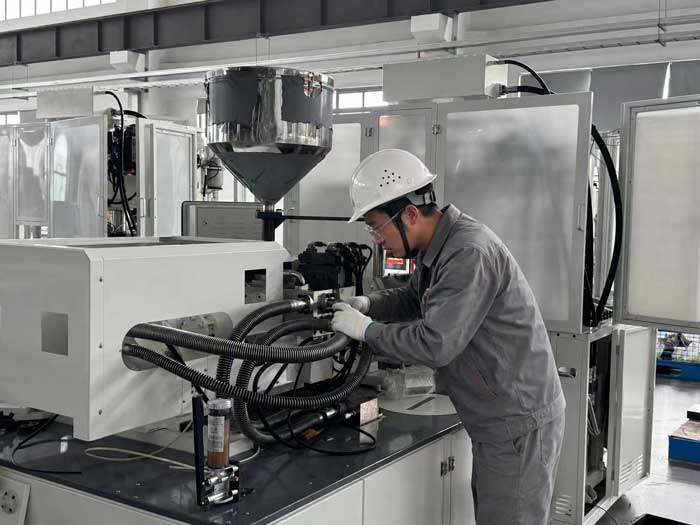
Hydraulic leakage should never be ignored. Small leaks may seem harmless at first, but they can lead to pressure loss, slipping movement, dirty machine surfaces, and safety risks. Operators should check hoses, connectors, cylinders, and valve blocks during daily inspections. If leakage is found, the source should be repaired as soon as possible.
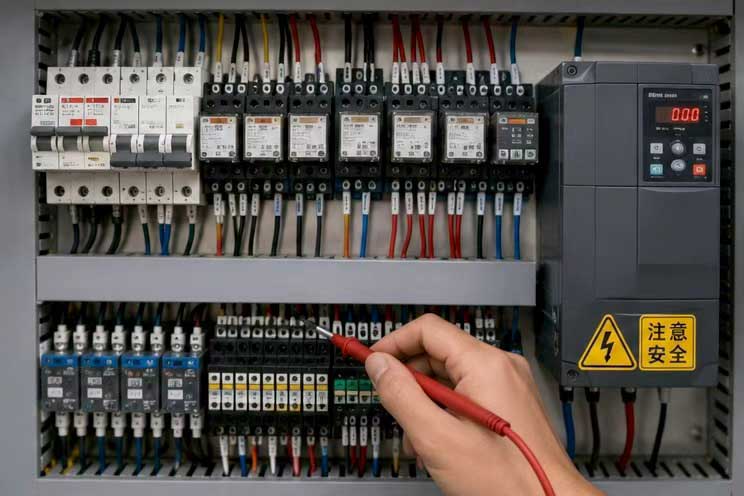
The electrical system should be kept clean, dry, and well-ventilated. Dust and moisture inside the electrical cabinet may cause poor contact, short circuits, or component failure. Cooling fans should work properly, and wiring terminals should be checked for looseness. Sensors, limit switches, temperature controllers, and control buttons should be tested regularly to ensure accurate response.
The pneumatic system plays an important role in blowing, product removal, valve control, and auxiliary movements. Air filters should be drained and cleaned. The compressed air should be dry and stable.
Moisture in the air line can damage valves and affect blowing quality. Air leakage should also be checked because it increases energy consumption and reduces pressure stability.
Safety devices must always remain functional. Door switches, emergency stop buttons, protective covers, alarms, and interlock systems should not be removed or bypassed.
Injection blow molding machines involve high temperature, high pressure, and moving mechanical parts. Ignoring safety maintenance can lead to equipment damage or operator injury.
A practical maintenance schedule should include daily, weekly, monthly, and annual tasks. Daily checks may cover lubrication, air pressure, oil level, water flow, abnormal noise, and product appearance. Weekly checks may include cleaning filters, tightening bolts, checking heaters, and inspecting moving parts.
Monthly maintenance may involve hydraulic oil inspection, mold alignment, electrical cabinet cleaning, and pneumatic system testing. Annual maintenance may include deeper inspection of the screw, barrel, hydraulic pump, servo components if equipped, molds, and major mechanical structures.
Good maintenance also depends on operator training. Operators should understand normal machine conditions, common defect causes, and correct shutdown procedures. For example, after production ends, the barrel should be cleaned properly, cooling water should be handled according to the process requirements, and molds should be protected from rust.
Maintenance records should be kept clearly so that recurring problems can be traced and solved. In conclusion, long-term stable operation of an injection blow molding machine requires careful attention to the injection unit, mold system, clamping and blowing stations, hydraulic and electrical systems, and safety devices.
Preventive maintenance helps factories avoid unexpected downtime, maintain product quality, reduce waste, and extend equipment life. For manufacturers of pharmaceutical, cosmetic, food, and daily chemical packaging, a disciplined maintenance routine is not just a technical requirement but an important guarantee of reliable production and long-term competitiveness.
Moisture in the air line can damage valves and affect blowing quality. Air leakage should also be checked because it increases energy consumption and reduces pressure stability.
Safety devices must always remain functional. Door switches, emergency stop buttons, protective covers, alarms, and interlock systems should not be removed or bypassed.
Injection blow molding machines involve high temperature, high pressure, and moving mechanical parts. Ignoring safety maintenance can lead to equipment damage or operator injury.
A practical maintenance schedule should include daily, weekly, monthly, and annual tasks. Daily checks may cover lubrication, air pressure, oil level, water flow, abnormal noise, and product appearance. Weekly checks may include cleaning filters, tightening bolts, checking heaters, and inspecting moving parts.
Monthly maintenance may involve hydraulic oil inspection, mold alignment, electrical cabinet cleaning, and pneumatic system testing. Annual maintenance may include deeper inspection of the screw, barrel, hydraulic pump, servo components if equipped, molds, and major mechanical structures.
Good maintenance also depends on operator training. Operators should understand normal machine conditions, common defect causes, and correct shutdown procedures. For example, after production ends, the barrel should be cleaned properly, cooling water should be handled according to the process requirements, and molds should be protected from rust.
Maintenance records should be kept clearly so that recurring problems can be traced and solved. In conclusion, long-term stable operation of an injection blow molding machine requires careful attention to the injection unit, mold system, clamping and blowing stations, hydraulic and electrical systems, and safety devices.
Preventive maintenance helps factories avoid unexpected downtime, maintain product quality, reduce waste, and extend equipment life. For manufacturers of pharmaceutical, cosmetic, food, and daily chemical packaging, a disciplined maintenance routine is not just a technical requirement but an important guarantee of reliable production and long-term competitiveness.