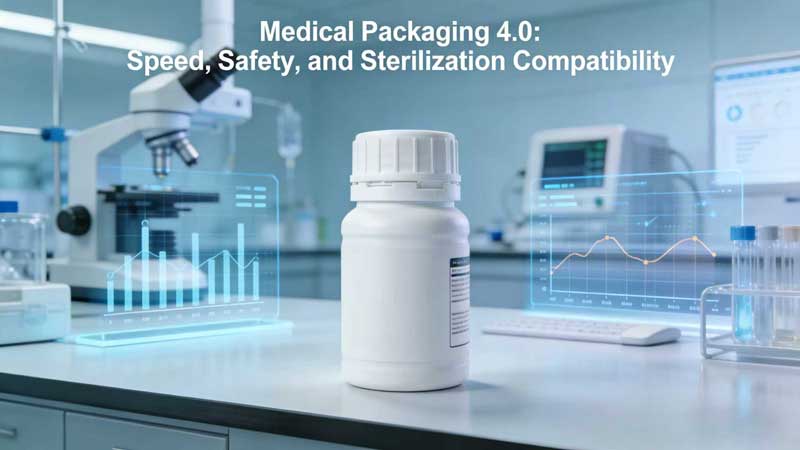
The healthcare industry is undergoing a profound transformation driven by Industry 4.0 technologies, and medical packaging—once viewed as a simple protective layer—has evolved into a critical component of the healthcare supply chain. Medical Packaging 4.0 represents the integration of digitalization, automation, smart materials, and data analytics into packaging design, production, and distribution, with three core pillars: speed, safety, and sterilization compatibility.
In an era where healthcare demands are escalating, from the rapid delivery of life-saving medications to the need for uncompromising sterility in medical devices, Medical Packaging 4.0 is redefining industry standards, addressing longstanding challenges, and paving the way for a more efficient, secure, and patient-centric healthcare ecosystem. :contentReference[oaicite:0]{index=0}
Speed: Accelerating Production and Supply Chain Agility
Speed is a defining feature of Medical Packaging 4.0, addressing the urgent need for rapid turnaround in healthcare supply chains—especially during public health crises, seasonal disease outbreaks, and emergency care scenarios.
Traditional medical packaging processes were often labor-intensive, fragmented, and prone to delays. Manual inspection, batch processing, and disconnected supply chain communication frequently caused production bottlenecks.
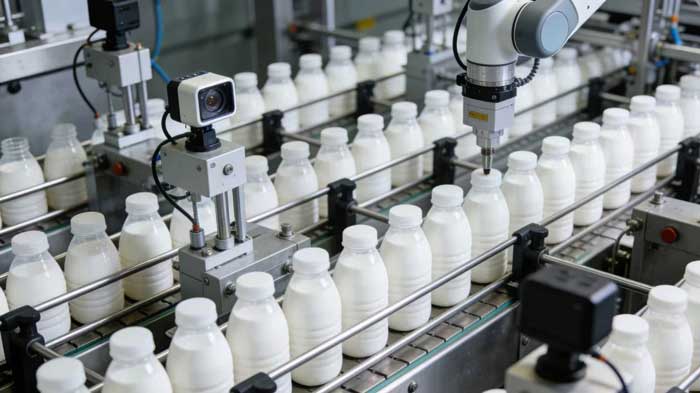
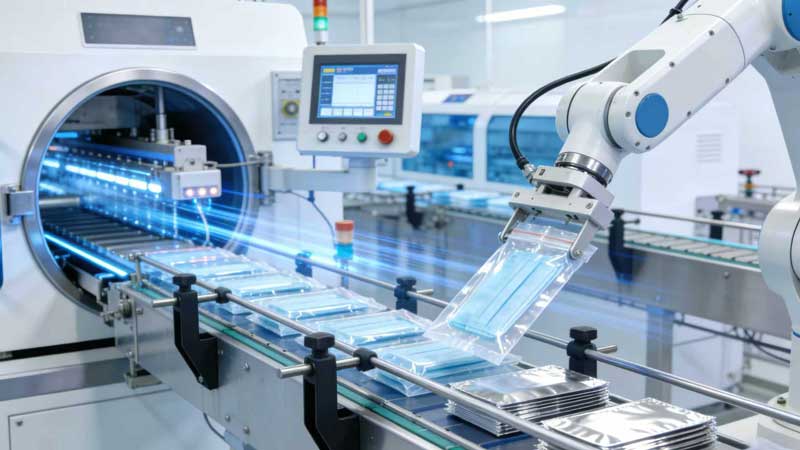
Today, automation and digital integration are revolutionizing production speed without sacrificing quality. Automated packaging lines equipped with:
- robotic arms
- machine vision systems
- real-time process monitoring
can handle high-volume production with unprecedented efficiency.
For instance, inline digital printing systems such as Hapa’s Web 4.0 5D can print and inspect packaging materials at speeds of up to 54 meters per minute, ensuring high precision while reducing changeover times and validation risks.
Similarly, Johnson & Johnson MedTech implemented automated tube bundling systems that increased production line speed by 20%, while eliminating manual labor and reducing material waste. These examples demonstrate how automation drives both speed and operational efficiency.
Beyond production speed, Medical Packaging 4.0 enhances supply chain agility through digital traceability and real-time data sharing.
Technologies including:
- IoT sensors
- RFID tags
- blockchain traceability
enable end-to-end visibility of packaging as it moves from manufacturing facilities to hospitals and clinics.
This visibility allows companies to identify bottlenecks in real time and ensure that time-sensitive products—such as vaccines, biologics, and emergency medications—reach their destinations within critical time windows.
The global automated pharmaceutical packaging system market is projected to grow at a CAGR of 8.5% through 2033, reflecting increasing demand for high-throughput packaging lines and serialization compliance.
Safety: Safeguarding Product Integrity and Combating Threats
Safety is the non-negotiable foundation of Medical Packaging 4.0. Packaging acts as the first line of defense against contamination, counterfeiting, and product degradation.
Traditional packaging systems often lacked robust monitoring capabilities, making it difficult to detect damage, tampering, or environmental exposure during transportation.
Medical Packaging 4.0 addresses these challenges through smart packaging technologies that enable real-time monitoring and authentication.
IoT-enabled sensors embedded in packaging can monitor environmental conditions such as:
- temperature
- humidity
- pressure
- light exposure
If conditions deviate from safe ranges, alerts can be sent immediately to supply chain stakeholders. This capability is particularly critical for sensitive products such as biologics and vaccines, which require strict cold chain management.
Counterfeiting is another major threat to medical product safety. Fake medications and medical devices can cause serious health risks and undermine trust in healthcare systems.
Medical Packaging 4.0 combats counterfeiting through technologies including:
- 2D data matrix codes
- QR codes
- blockchain-based traceability systems
Serialization regulations require unique identifiers on each package, allowing healthcare providers and patients to verify authenticity and track products throughout the supply chain.
Additional safety features include:
- tamper-evident seals
- advanced inspection systems
- high-resolution camera arrays
Some camera systems can detect micro-cracks as small as 50 microns, ensuring that packaging remains intact and sterile until the moment of use.
Sterilization Compatibility: Ensuring Efficacy Through Advanced Materials and Design
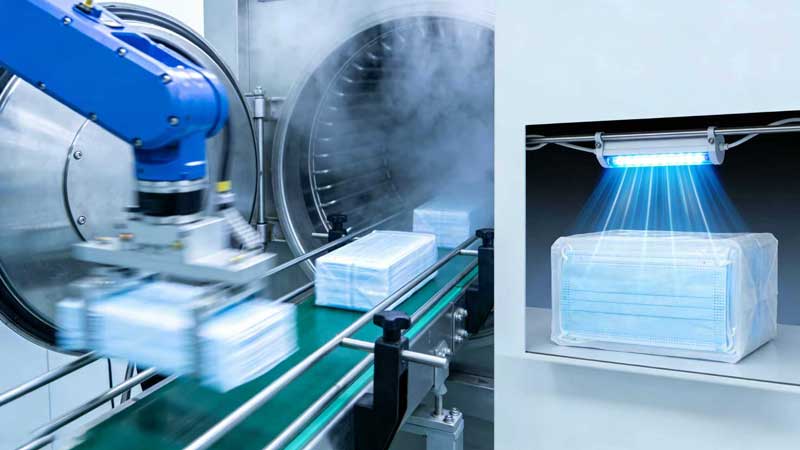
Sterilization compatibility is the third core pillar of Medical Packaging 4.0. The effectiveness of sterilization processes depends heavily on the packaging’s ability to withstand sterilization without compromising product sterility or material integrity.
Medical products commonly require sterilization through methods such as:
- Ethylene Oxide (ETO) sterilization
- Gamma irradiation
- Steam autoclaving
- Hydrogen peroxide sterilization
Packaging materials must be specifically engineered to withstand these processes.
If packaging and sterilization methods are incompatible, it can lead to:
- material degradation
- compromised sterility
- regulatory non-compliance
These failures can pose serious risks to patient safety.
Medical Packaging 4.0 addresses these challenges through advanced materials and data-driven packaging design.
Examples include:
- modified Tyvek materials designed for EO sterilization
- radiation-resistant polymers for gamma irradiation
- heat-resistant polymers suitable for steam sterilization
Digital engineering tools such as digital twins and computational simulation allow manufacturers to test sterilization compatibility during the packaging design stage.
This proactive design approach helps prevent post-sterilization failures and reduces costly redesigns or production delays.
Additionally, manufacturers must comply with strict international standards such as:
- ISO 11607
- FDA sterilization guidelines
Comprehensive sterilization compatibility guidelines covering more than 15 sterilization methods are now used to support safe material selection and ensure regulatory compliance.
Challenges and Long-Term Benefits
While Medical Packaging 4.0 offers significant technological advancements, it also presents several challenges.
These include:
- high implementation costs
- the need for skilled labor to operate digital systems
- integration complexity with existing supply chains
However, the long-term benefits far outweigh these obstacles.
Medical Packaging 4.0 provides:
- improved production efficiency
- enhanced patient safety
- stronger regulatory compliance
- reduced material waste
As healthcare systems continue to prioritize speed, safety, and sterility, advanced packaging technologies will become increasingly essential.
Conclusion: The Transformative Impact of Medical Packaging 4.0
Medical Packaging 4.0 represents a transformative shift in the healthcare industry by integrating digitalization, automation, and advanced materials into packaging systems.
By combining:
- high-speed production technologies
- intelligent safety monitoring
- sterilization-compatible materials
Medical Packaging 4.0 addresses the most critical needs of modern healthcare.
As technologies continue to evolve, these systems will help the industry adapt to future challenges such as:
- personalized medicine
- global health emergencies
- stricter regulatory environments
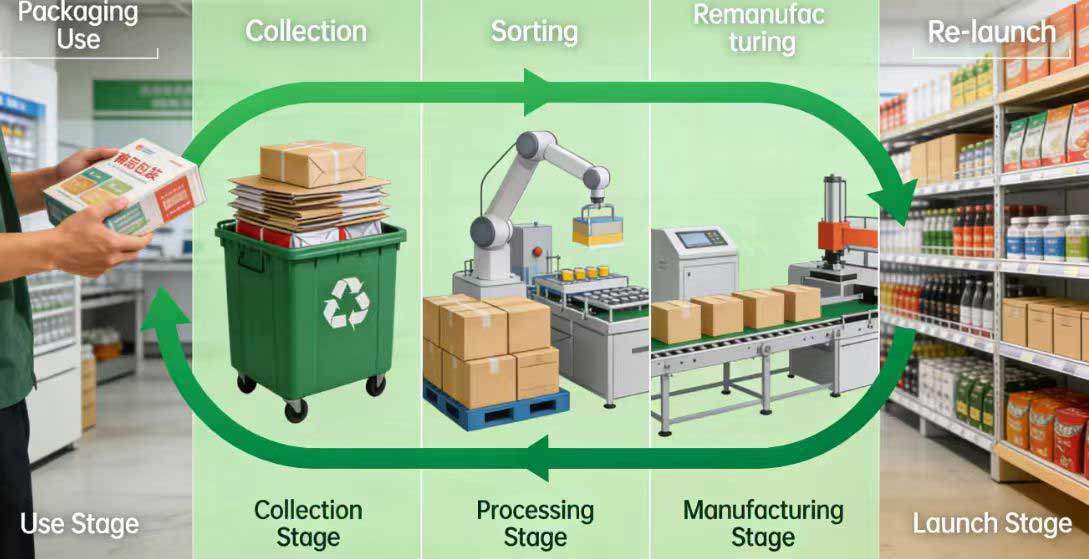
At the same time, the integration of sustainable materials and circular economy principles will further strengthen the resilience of medical packaging systems.
Ultimately, Medical Packaging 4.0 will remain a cornerstone of patient safety and healthcare efficiency, enabling a more secure, responsive, and sustainable healthcare supply chain.