Why Neck Precision Defines the Overall Quality of Blow-Molded Bottles

Blow-molded bottles have become indispensable in modern packaging, serving industries ranging from beverages and food to pharmaceuticals and cosmetics. As consumers and manufacturers increasingly prioritize product safety, durability, and usability, the quality standards for blow-molded bottles continue to rise.
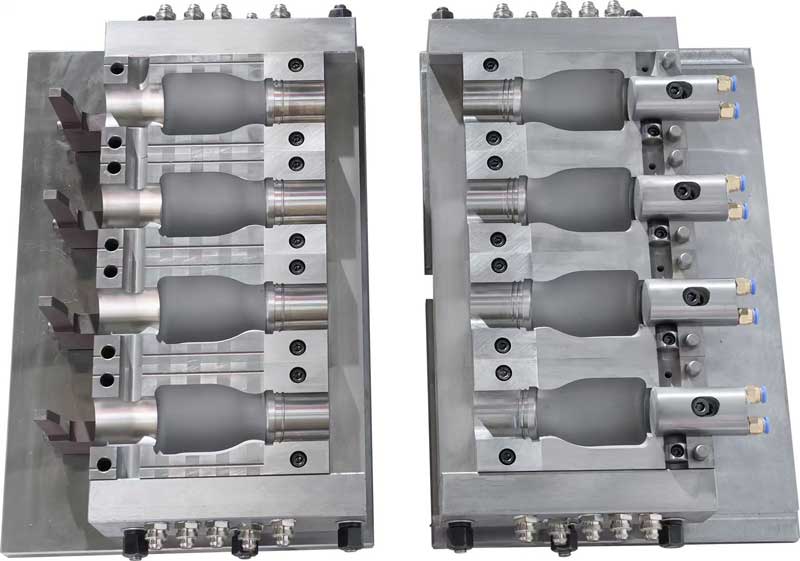
Among the numerous factors that determine bottle quality—including material selection, wall thickness uniformity, and surface finish—neck precision stands out as the most critical determinant. The neck of a blow-molded bottle acts as the interface between the bottle and its closure, directly influencing sealing performance, production consistency, structural integrity, and end-user experience.
The Direct Impact of Neck Precision on Sealing Performance
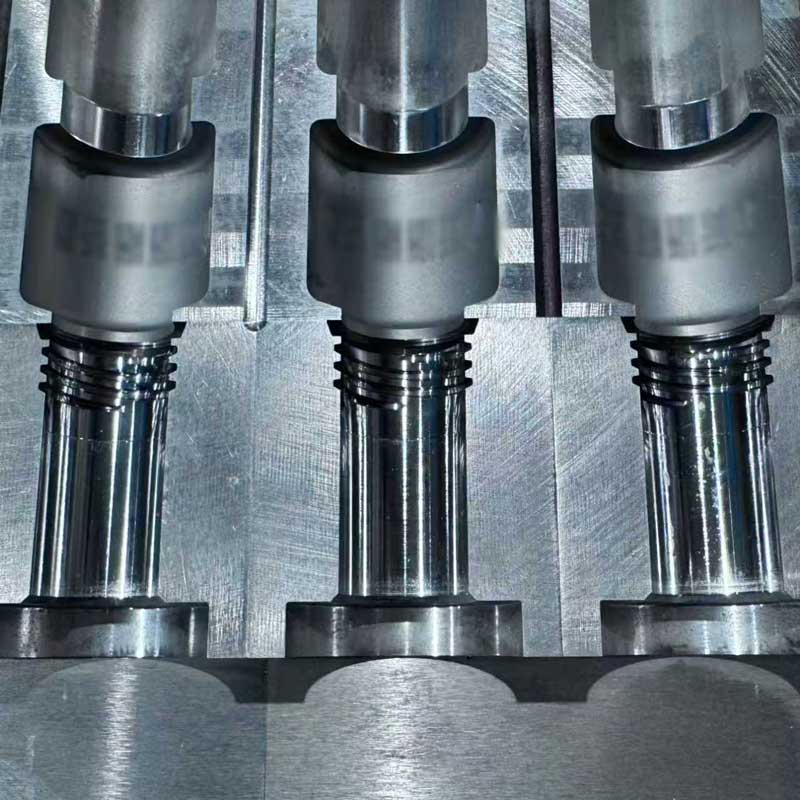
The primary function of a blow-molded bottle’s neck is to form a secure seal with caps, pumps, droppers, or other closures, and this function is entirely dependent on precision.
Sealing integrity is non-negotiable in packaging, as even minor deviations in neck dimensions can lead to leakage, contamination, or product spoilage—consequences that are costly and potentially hazardous, especially for food, beverage, and pharmaceutical products.
Neck precision is defined by tight dimensional tolerances, including outer diameter, inner diameter, thread pitch, neck height, and flatness.
Stability and Consistency in Mass Production Driven by High Precision
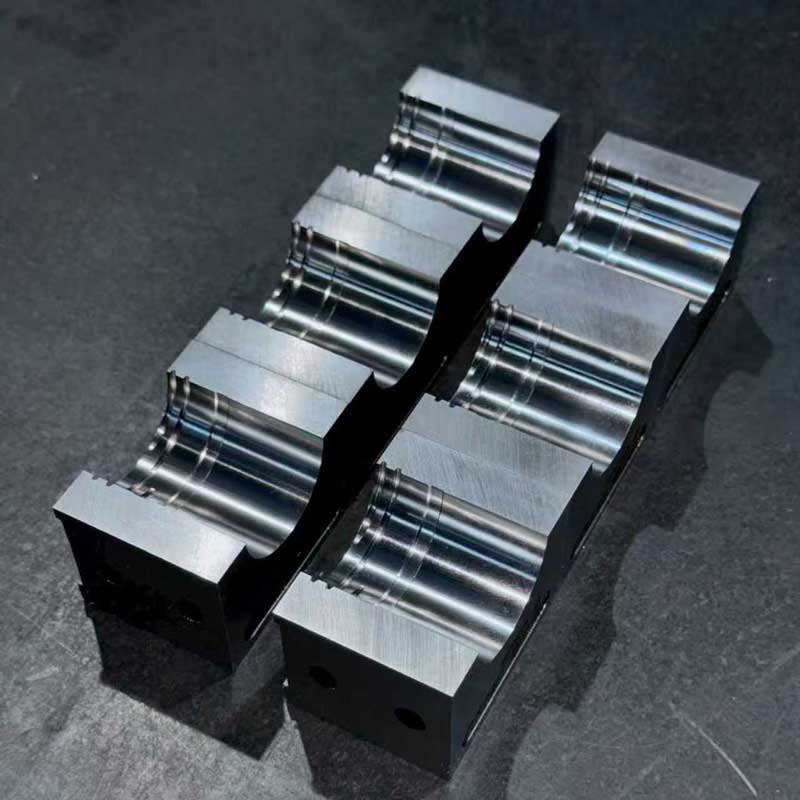
Beyond sealing, neck precision is a direct indicator of production consistency, a critical factor for large-scale manufacturing.
Blow molding is a complex process involving melting plastic resin, extruding or injecting a parison, and inflating it within a mold to form the final bottle shape. The neck is formed first in most blow molding processes, and any imprecision in this stage can propagate throughout the entire bottle.
High-precision necks require advanced mold design, with cavity tolerances controlled to IT6–IT7 levels and surface roughness minimized to reduce demoulding resistance and defects.
Key Factors to Achieve and Control Neck Dimension Accuracy
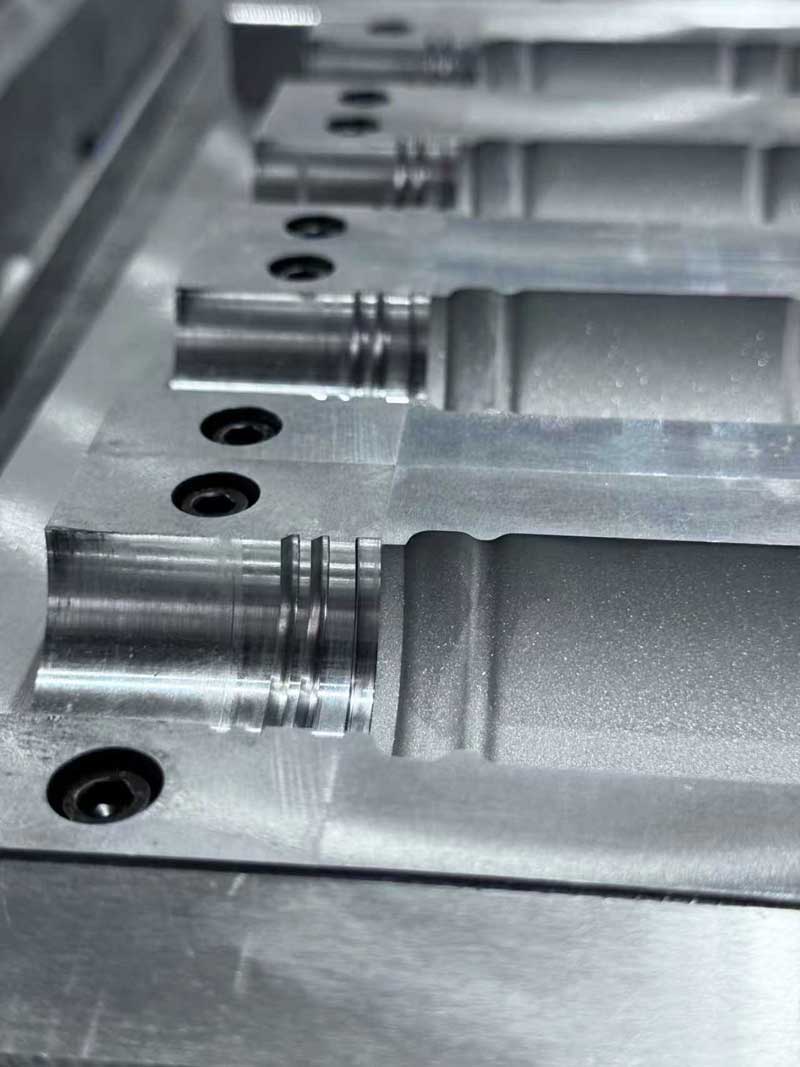
The achievement of neck precision relies on a combination of advanced technology, strict quality control, and process optimization.
Modern blow molding machines feature servo-driven systems for precise control of extrusion, injection, and blow pressure, ensuring consistent parison formation and neck shaping.
Real-time monitoring tools, such as visual inspection systems and ultrasonic thickness gauges, detect deviations in neck dimensions during production, allowing for immediate adjustments.
Conclusion
In conclusion, neck precision is not merely a component of blow-molded bottle quality—it is the defining factor that ties together sealing performance, production consistency, structural stability, and end-user functionality.
A precisely formed neck ensures that blow-molded bottles meet the rigorous standards of modern packaging, protecting products from contamination and leakage, reducing manufacturing waste, and enhancing user experience.