10 Reasons Why All-Electric IBM Machines Reduce Your Factory Cost
In today’s competitive manufacturing landscape, cost control is the cornerstone of sustainable profitability. Factories worldwide are seeking innovative solutions to cut operational expenses without compromising productivity, quality, or scalability.
All-electric IBM machines have emerged as a game-changing solution, integrating advanced technology, energy efficiency, and intelligent management to deliver tangible cost savings across factory operations.
Unlike traditional hydraulic or hybrid machines, IBM’s all-electric lineup is engineered to minimize waste, optimize resources, and streamline processes—while reducing long-term operational costs.
Below are the top 10 reasons why investing in all-electric IBM machines is a smart financial decision for your factory. :contentReference[oaicite:0]{index=0}
Dramatic Energy Savings Lower Utility Bills
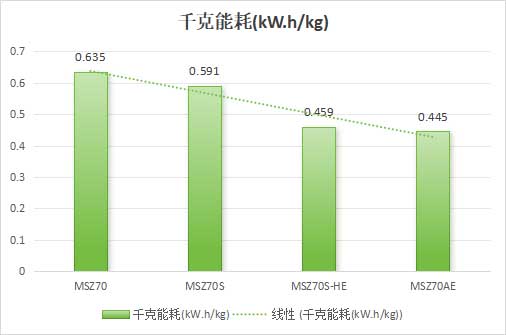
Energy consumption is one of the largest recurring costs in manufacturing.
All-electric IBM machines use servo-driven systems that only consume power when needed, unlike hydraulic machines that continuously run pumps—even when idle.
Key benefits:
- 20%–40% energy reduction vs hydraulic machines
- Up to 30% energy savings in advanced models
- Approx. 190 kWh savings per 1000 kg production
These savings significantly reduce monthly electricity costs and improve profitability.
Reduced Maintenance Costs Due to Fewer Moving Parts
Traditional hydraulic machines contain complex systems with many moving parts, increasing maintenance costs.
All-electric IBM machines:
- Have up to 300 fewer moving parts
- Eliminate oil leaks and hose failures
- Reduce wear and tear
Additionally, IBM’s Maximo AI maintenance system enables predictive maintenance, reducing unexpected breakdowns.
Result:
- Up to 50% reduction in maintenance costs
- Longer machine lifespan
Faster Cycle Times Boost Productivity and Throughput
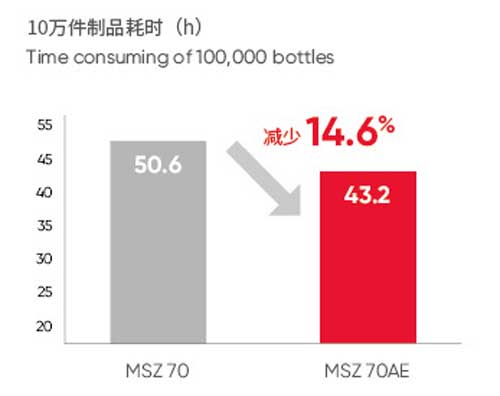
All-electric machines deliver faster and more precise motion through servo motors.
Advantages:
- Faster acceleration and positioning
- Reduced cycle time
- Higher production output
For example:
- Fully electric systems enable higher throughput without increasing labor or energy
This directly lowers per-unit production cost.
Minimized Material Waste Through Enhanced Precision
Precision manufacturing reduces waste significantly.
All-electric machines provide:
- Consistent product quality
- Precise material control
- Reduced scrap rates
Typical improvement:
- 1–2% reduction in material waste
In high-volume production, this translates into substantial cost savings.
Elimination of Hydraulic Fluid Costs and Hazards
Hydraulic systems require:
- Fluid purchase
- Storage
- Disposal
- Maintenance
All-electric machines eliminate hydraulic fluids entirely.
Benefits:
- Lower operating cost
- No leakage risk
- Reduced environmental impact
- Improved workplace safety
Lower Labor Costs Through Automation and Simplicity
All-electric machines feature:
- User-friendly interfaces
- Automation compatibility
- Remote monitoring
Operators can:
- Manage multiple machines simultaneously
- Reduce manual intervention
Additionally:
- Faster training
- Fewer human errors
This leads to long-term labor cost savings.
Compliance with Environmental Regulations Reduces Fines
Global regulations are becoming stricter.
All-electric machines help factories:
- Reduce emissions (up to 45%)
- Eliminate oil waste
- Meet ISO 50001 standards
This avoids:
- Environmental fines
- Compliance costs
and improves brand reputation.
Improved Reliability and Less Unplanned Downtime
Downtime is one of the most expensive operational risks.
All-electric machines offer:
- Higher reliability
- Fewer breakdowns
- Real-time monitoring
IBM’s AI-driven systems reduce:
- Mean time to repair (MTTR) by ~25%
Result:
- More stable production
- Lower downtime losses
Scalability and Flexibility Reduce Long-Term Investment Costs
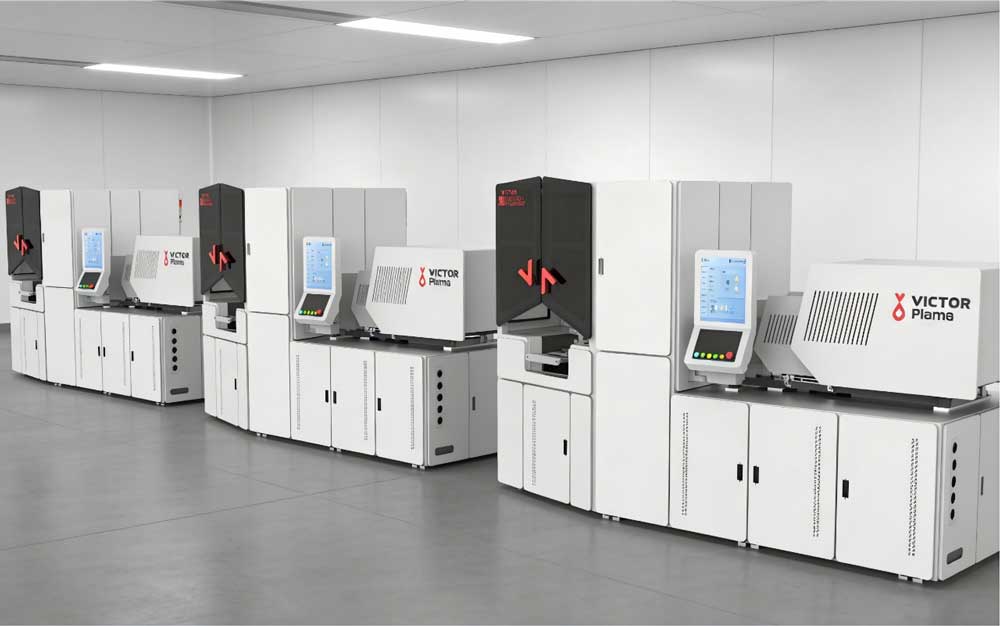
All-electric machines are designed for:
- Modular upgrades
- Flexible production changes
- Industry 4.0 integration
This allows factories to:
- Adapt without replacing equipment
- Reduce capital expenditure
Total Cost of Ownership (TCO) Is Significantly Lower
Although initial investment is:
- 10%–15% higher
Long-term savings include:
- Energy
- Maintenance
- Labor
- Material
- Compliance
Example:
- $17,073 annual savings vs hydraulic systems
This results in faster ROI and long-term profitability.
Conclusion
All-electric IBM machines provide a comprehensive solution for reducing factory costs.
Key advantages include:
- Energy efficiency
- Reduced maintenance
- Higher productivity
- Lower material waste
- Regulatory compliance
These machines are not just equipment upgrades—they are strategic investments that improve efficiency, sustainability, and profitability.
For factories aiming to stay competitive, transitioning to all-electric technology is a proven path toward long-term success.