How IBM Helps Brands Reduce Packaging Costs Without Sacrificing Performance
In the competitive landscape of consumer goods, packaging serves as both a protective barrier and a brand ambassador. For manufacturers utilizing injection blow molding (IBM)—a precision process ideal for high-quality bottles, vials, and containers—balancing cost efficiency with uncompromised performance is a constant challenge. Raw materials, energy, and production inefficiencies often inflate expenses, yet cutting costs haphazardly risks weakening structural integrity, damaging product consistency, or harming brand reputation. IBM, as a global leader in industrial and operational solutions, delivers targeted strategies that address the core pain points of injection blow molding production, enabling brands to cut packaging costs significantly while upholding quality, durability, and functional standards.
Material costs constitute 50%–70% of total packaging expenses in injection blow molding, making them the primary target for savings. IBM’s approach centers on precision material engineering and data-driven formulation—not cheapening materials, but using exactly what is needed, no more, no less.
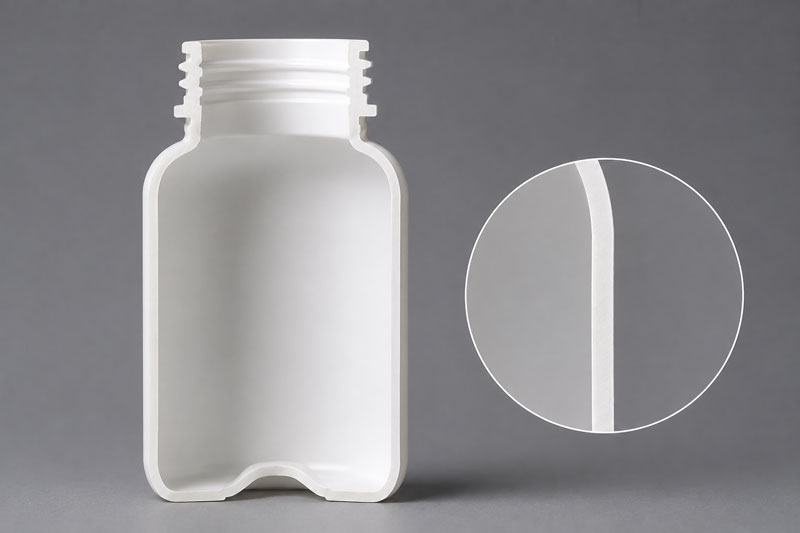
For injection blow molding, where uniform wall thickness and structural rigidity are critical, IBM collaborates with brands to redesign resin specifications. By analyzing stress points, load requirements, and performance benchmarks (e.g., compression strength, barrier properties, and drop resistance), IBM’s engineering teams help brands down-gauge wall thicknesses by 10%–25% while maintaining or even improving durability. For example, a personal care brand producing PET bottles via IBM processes reduced wall thickness from 1.2mm to 0.9mm by adjusting resin flow and mold cooling cycles, cutting material use by 22% without affecting seal integrity or stackability.
IBM also promotes strategic material blending—incorporating food-safe recycled resins (up to 30% in approved applications) or cost-effective mineral-filled polymers without sacrificing clarity or impact resistance. Unlike generic cost-cutting, IBM validates all blends through rigorous lab testing: burst tests, temperature cycling, and shelf-life studies ensure the modified materials meet industry standards (e.g., FDA for food contact, EU plastics regulations). This eliminates the risk of product failures or recalls that often come with untested material changes.
Additionally, IBM implements closed-loop material management systems tailored to injection blow molding workflows. The technology tracks scrap rates—from flash waste in injection molds to defective preforms—and automates regrind collection, cleaning, and reintroduction into production. For a pharmaceutical packaging firm, this reduced material waste from 18% to 6%, adding up to millions in annual savings while keeping production fully compliant with GMP standards.
Injection blow molding is a multi-stage process (injection → cooling → transfer → blowing → ejection) where small inefficiencies compound into large costs. IBM’s operational optimization focuses on cycle time reduction, energy efficiency, and yield improvement—all grounded in the physical realities of IBM machinery and mold behavior.
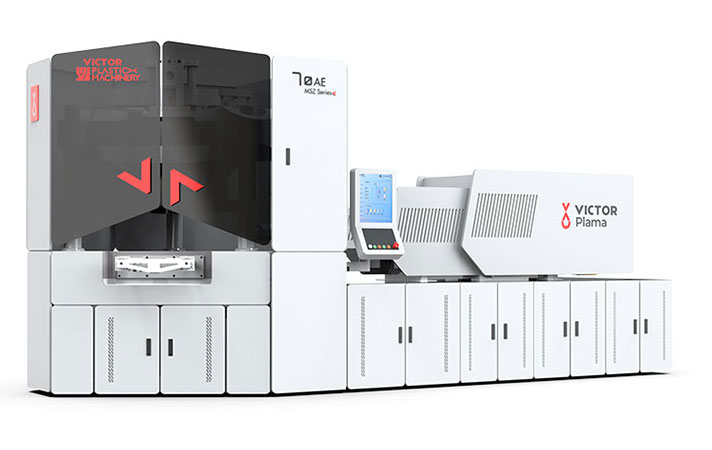
First, IBM optimizes cycle time dynamics without rushing production. By analyzing each stage’s parameters—melt temperature, injection pressure, cooling rates, and blow air pressure—IBM’s engineers fine-tune sequences to eliminate idle time. For instance, overlapping cooling and transfer stages, or optimizing mold cooling channel layouts, cuts cycle times by 10%–20%. Victor Machinery’s all-electric injection-blow molding machine MSZ70AE utilizes servo motors and ball screws for mold opening and closing, delivering high speed and high precision. It reduces production time by 14.6% per 100,000 pieces and cuts energy consumption by 27.9%, significantly lowering both labor and energy costs per unit product.
Energy is another major expense: IBM machines run continuously, consuming power for heating, hydraulics, and compressed air. IBM deploys energy management systems that monitor real-time power use across machine zones (barrel heaters, blow compressors, mold chillers) and auto-adjust settings during low-load periods. Upgrading to servo-driven hydraulics (instead of traditional constant-speed pumps) slashes energy use by 20%–40%. A beverage company’s IBM lines cut annual energy bills by 28% after implementing these adjustments, with no impact on production speed or preform quality.
IBM also elevates first-pass yield rates—critical in high-precision IBM, where defects (e.g., uneven walls, neck misalignment, or weak seals) lead to scrap. By standardizing mold maintenance schedules, calibrating temperature sensors, and optimizing air-flow patterns in blowing stations, IBM helps brands lift yields from 92% to 99%+. For a cosmetic packaging producer, this reduced reject rates by 7%, eliminating the cost of reprocessing or discarding thousands of units monthly.
Molds are the heart of injection blow molding, and poorly designed or maintained tools drive up costs via inconsistent quality, frequent downtime, and short lifespans. IBM’s solutions focus on mold optimization, predictive maintenance, and equipment retrofitting—extending asset life and reducing per-unit production costs.
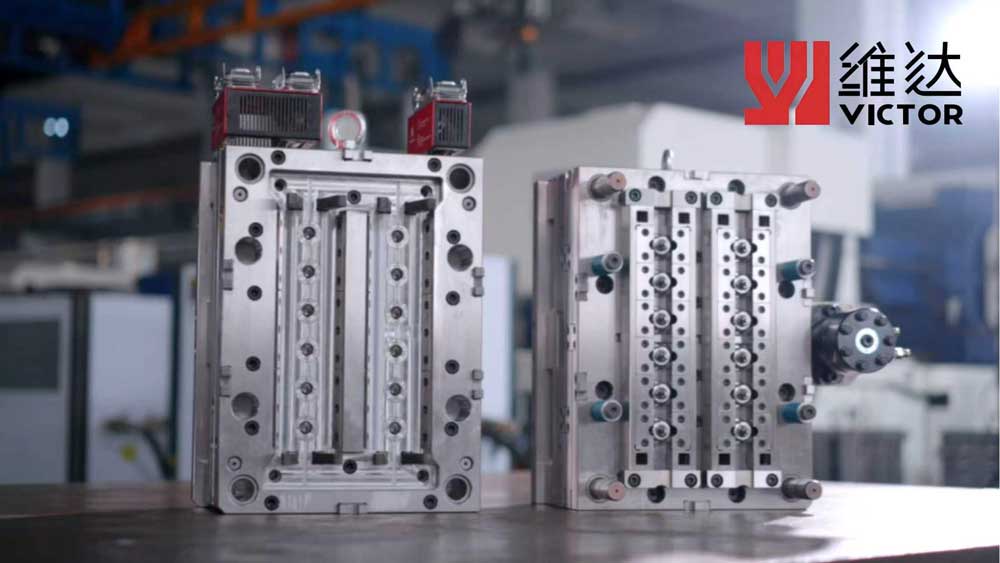
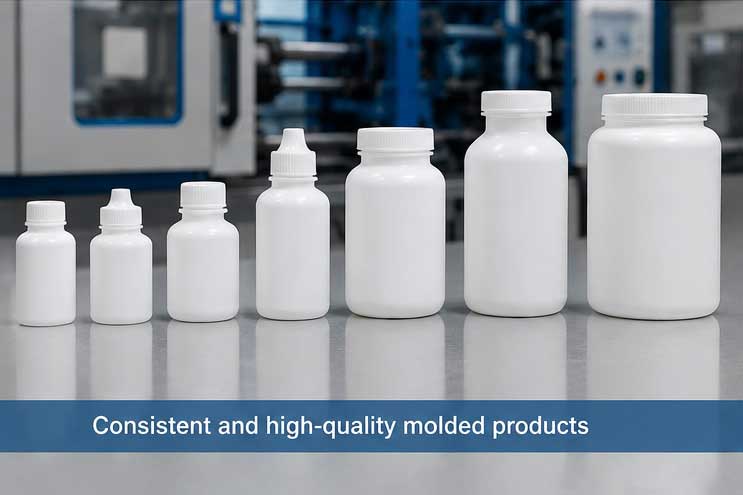
For new molds, IBM’s design teams use structural flow analysis to create multi-cavity molds (4, 8, or 16 cavities) with balanced resin flow and uniform cooling. This ensures every part—from the first to last cavity—has identical wall thickness and dimensions, eliminating variations that cause waste. Optimized gate and vent designs also reduce flash, cutting post-mold trimming labor and material loss. For a mid-sized brand switching to IBM-designed 8-cavity molds, per-unit production costs dropped by 32% due to higher output and lower scrap.
For existing equipment, IBM offers targeted retrofits instead of full replacements—costing 10%–30% of new machinery but delivering 80%–90% of performance gains. Upgrading old hydraulic systems to servo controls, installing precision temperature controllers, or adding automated preform handling resolves bottlenecks. A packaging firm with 10-year-old IBM machines reduced downtime by 45% and energy use by 25% via retrofits, delaying capital expenditure on new lines for 5+ years.
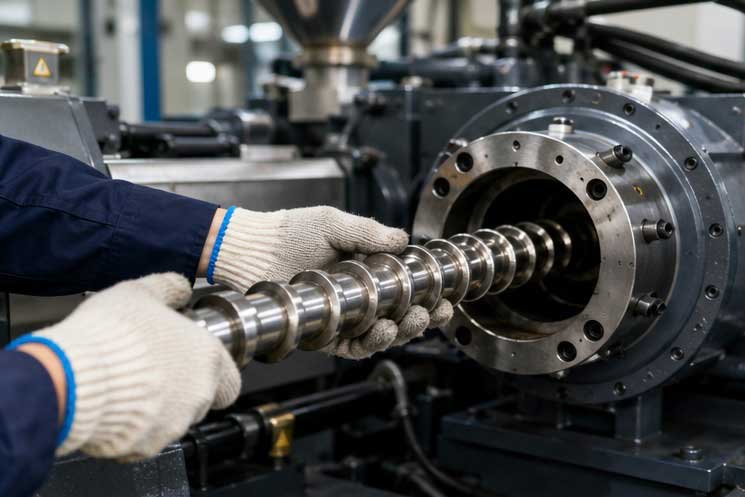
IBM also establishes predictive maintenance protocols for IBM equipment. Instead of reactive repairs, teams monitor wear on critical parts (screws, molds, blow valves) and schedule maintenance during planned downtime. This avoids costly unplanned stops—saving a large-scale producer an estimated $400,000 annually in lost production and emergency repair costs.
Costs extend beyond the factory floor, and IBM’s holistic approach optimizes the entire packaging value chain—from raw material sourcing to logistics—aligning with injection blow molding’s volume production needs.
IBM helps brands negotiate strategic resin supply contracts by analyzing consumption patterns, market trends, and supplier benchmarks. By consolidating orders and locking in long-term agreements for high-volume resins (PET, PP, HDPE), brands secure 8%–15% lower unit costs without compromising material quality. For seasonal or fluctuating demand, IBM’s inventory models set optimal stock levels—avoiding overstock waste or emergency premium purchases.
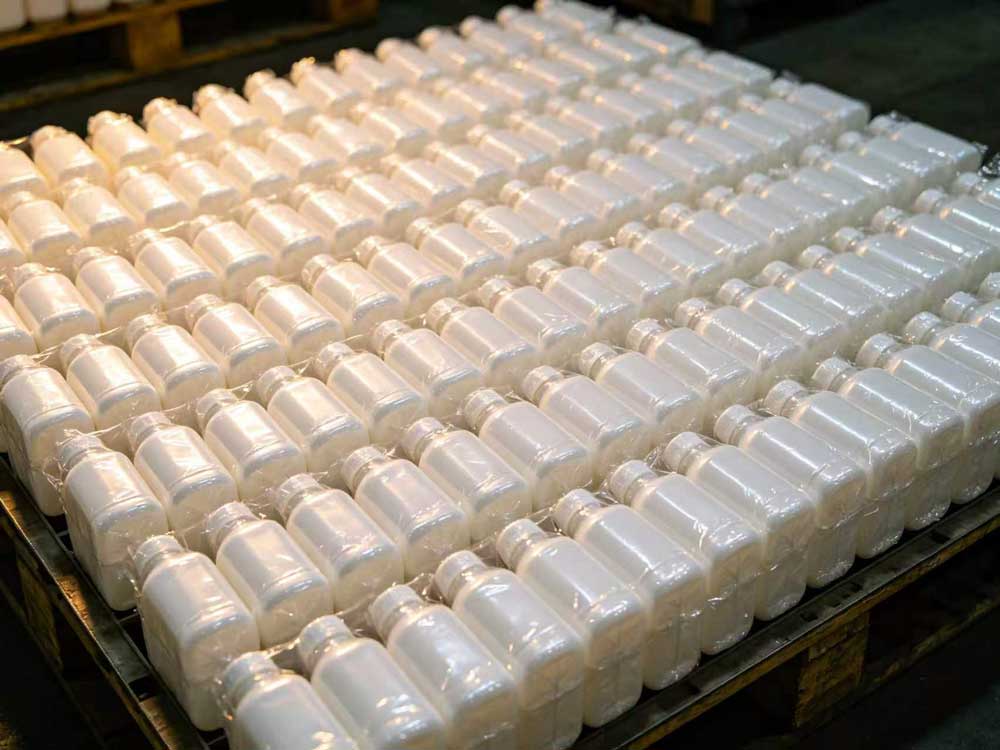
Logistics costs shrink via right-sizing packaging for transport. IBM’s engineering teams design IBM-produced containers to maximize palletization: adjusting bottle heights, shapes, and base diameters to fit more units per pallet (up by 12%–20%). A household goods brand reduced shipping costs by 18% by fitting 2,400 bottles per pallet instead of 2,000, while maintaining stack strength to prevent transit damage.
Across injection blow molding applications—pharmaceuticals, personal care, food, and beverages—IBM’s strategies deliver consistent, measurable results:
A pharmaceutical brand reduced packaging costs by 24% via wall-thickness optimization and closed-loop material use, while meeting strict USP Type III container standards.
A personal care company cut energy and labor costs by 31% through cycle-time and yield improvements, with no change in bottle clarity or seal performance.
A food packaging firm lowered material and logistics expenses by 27% via lightweighting and pallet optimization, preserving product protection and shelf appeal.
In every case, cost reductions came from smarter design, precise process control, and operational efficiency—not from sacrificing performance.
Packaging remained durable, compliant, and brand-aligned.
For brands using injection blow molding, reducing packaging costs does not require tradeoffs on quality or performance. IBM’s solutions are rooted in the technical realities of IBM production—targeting material use, process efficiency, equipment reliability, and supply chain optimization. By combining engineering expertise, data-driven insights, and industry-specific knowledge, IBM empowers brands to cut costs significantly while strengthening their packaging’s functional and brand value. In a market where consumers demand both affordability and quality, this balance is not just a cost-saving measure—it is a strategic advantage that drives sustainable growth.