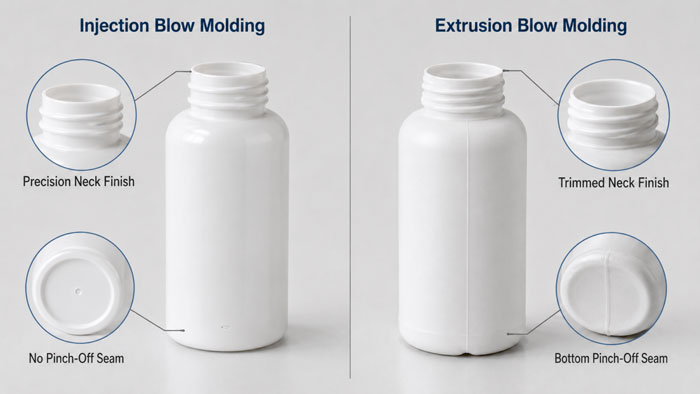
The global packaging industry stands at a critical crossroads in 2026, as resin prices undergo a structural shift after years of relative stability followed by sharp volatility.
For packaging manufacturers—from food and beverage containers to industrial packaging, flexible films, and rigid plastics—resin typically accounts for 50% to 70% of total production costs. Even modest price swings can compress margins, disrupt supply chains, and force difficult decisions around pricing, material selection, and customer contracts.
This article breaks down the key resin price trends shaping 2026, identifies the primary drivers of cost movement, and offers actionable insights to help packaging producers navigate uncertainty, optimize costs, and maintain competitiveness in a turbulent market. :contentReference[oaicite:0]{index=0}
Key Resin Market Dynamics in 2026

After bottoming out in late 2025, global resin prices have entered an upward trajectory in 2026, with divergence across materials and regions.
Key materials include:
- Polyethylene (PE)
- Polypropylene (PP)
- Polyethylene terephthalate (PET)
These dominate packaging applications and are highly sensitive to:
- Feedstock costs
- Global demand fluctuations
Specialty resins such as:
- Nylon (PA)
- Polycarbonate (PC)
- Biodegradable resins (PBAT)
face even stronger price pressure due to tighter supply.
Regional Trends
- North America & Latin America: highest volatility due to logistics and currency fluctuations
- Asia (China-led): demand rebound expected, driving price increases
- Europe: persistent supply pressure due to energy costs and geopolitical risks
Unlike previous cycles, 2026 price increases are driven by structural factors, not short-term shocks.
Primary Drivers Reshaping Resin Costs
2.1 Crude Oil and Feedstock Volatility
Crude oil remains the core driver of resin pricing.
- Brent crude > $110/barrel
- Direct impact on ethylene, propylene, PTA
Since raw materials account for 70%–80% of resin production cost, price increases are quickly passed downstream.
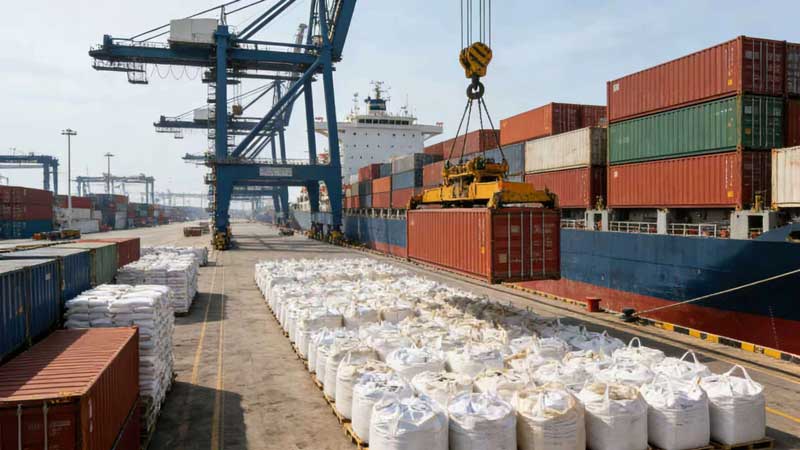
2.2 Supply Chain Disruptions and Production Constraints
Global resin supply remains tight due to:
- Plant maintenance shutdowns
- Shipping delays
- High logistics costs
Impacts include:
- Longer lead times
- Supplier allocation systems
- Increased inventory requirements
This raises working capital pressure and production risk for manufacturers.
2.3 Sustainability Mandates and Material Shifts
Sustainability trends are reshaping resin demand:
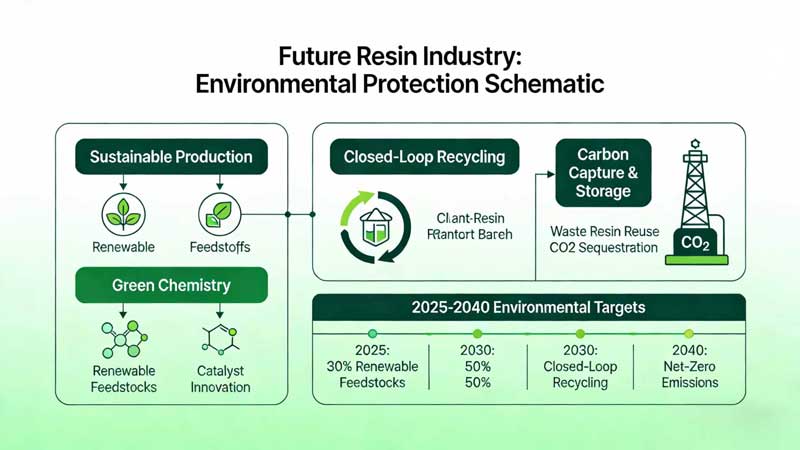
- PCR (Post-Consumer Recycled) resins demand increasing
- Bio-based resins (PLA, PBAT) experiencing price spikes
Key challenges:
- Limited supply of high-quality PCR
- Price premium vs virgin resin
- Regulatory pressure (EPR, plastic bans)
Manufacturers must balance:
- Sustainability compliance
- Cost control
2.4 Demand Recovery and End-Market Resilience
Packaging demand remains stable due to essential sectors:
- Food & beverage
- E-commerce
- Household goods
However, demand varies:
- Strong: flexible packaging, food containers
- Weak: industrial/non-essential packaging
This creates uneven pricing power across segments.
Strategic Actions for Packaging Manufacturers
3.1 Proactive Procurement and Contract Management
- Use long-term contracts
- Diversify supplier base
- Maintain strategic inventory
Benefits:
- Reduce price volatility exposure
- Improve supply security
3.2 Material Optimization and Formulation Flexibility
- Switch between PE and PP when possible
- Implement lightweighting strategies
- Use virgin + PCR blends
Goal: reduce material cost without sacrificing performance.
3.3 Cost Pass-Through and Customer Collaboration
- Use price escalation clauses
- Share cost data transparently
- Collaborate on packaging redesign
Position as cost-saving partner, not just supplier.
3.4 Investing in Efficiency and Circularity
- Upgrade production lines
- Reduce resin waste
- Implement internal recycling
Long-term benefits:
- Lower material dependency
- Improved sustainability
- Better cost control
Outlook for the Second Half of 2026
The resin market is expected to remain firm in H2 2026, with continued upward pressure.
Key expectations:
- No return to 2025 low prices
- Tight supply vs stable demand
- Continued premium for sustainable resins
Regional outlook:
- Asia: steady growth
- Europe & North America: volatility persists
Conclusion
2026 represents a structural shift in the global resin market.
Key challenges include:
- Feedstock volatility
- Supply chain constraints
- Sustainability pressures
- Stable demand
Success depends on:
- Proactive procurement
- Flexible material strategies
- Customer collaboration
- Investment in efficiency
Resin prices will remain a critical factor, but with the right strategy, manufacturers can:
- Protect margins
- Meet sustainability goals
- Strengthen competitiveness
In a rapidly evolving market, agility and data-driven decision-making are essential.