
Injection Blow Molding Knowledge Center
Injection Blow Molding Technology Hub
A practical guide to IBM process fundamentals, core rod tooling, material selection, bottle quality control, and machine selection for precision plastic bottle production.
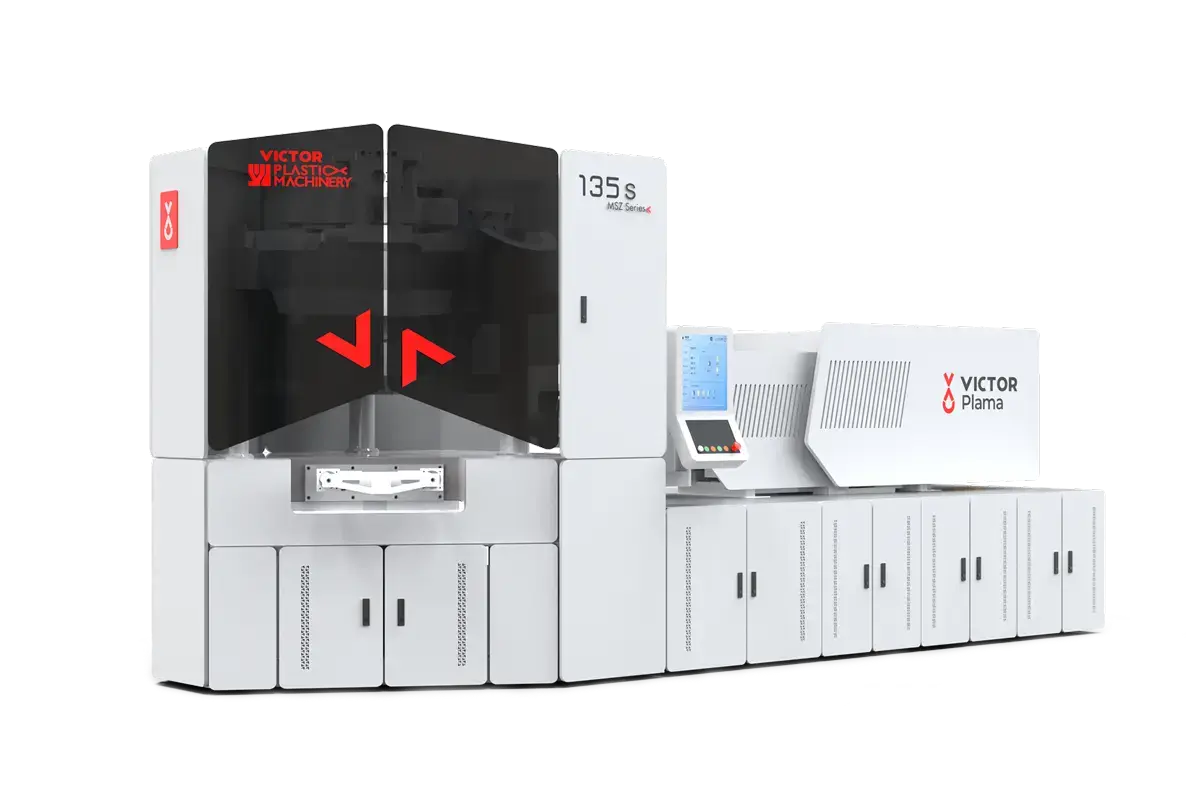
Injection, blowing, and stripping on rotary tooling. Precision bottles
Stable neck finish, low flash, repeatable dimensions. Buyer path
Use the hub to define bottle, mold, and machine requirements.
Start Here
These three guides cover the core questions buyers usually ask before comparing IBM equipment: how the process works, when IBM is better than extrusion blow molding, and what bottle types are the best fit.
Understand the injection, blowing, and stripping cycle before discussing molds or capacity.
Comparison Injection blow molding vs extrusion blow moldingCompare accuracy, flash waste, tooling needs, bottle shapes, and typical B2B use cases.
Applications What bottles are suitable for IBM?Match IBM to pharmaceutical, cosmetic, personal-care, healthcare, and specialty bottle formats.
Explore IBM Articles by Topic
This page is a navigation hub. Each article below handles one technical question in depth, so the hub stays concise while still passing internal authority to the most relevant guides.
Process Fundamentals
Use these guides to understand the IBM forming logic and the quality variables inside the cycle.
Molds and Tooling
For projects where bottle geometry, mold quality, and service life determine the real cost.
Materials and Bottle Quality
Useful when the buyer already has a resin, closure system, or quality target in mind.
Applications
Use these application guides to match bottle requirements with IBM advantages.
Machine Selection, Operation, and ROI
These guides connect technology choices with factory cost, maintenance, automation, and buying decisions.
From Technical Research to Machine Selection
After you define bottle volume, resin, neck finish, output, mold requirements, and downstream handling, compare Victor IBM machines or send the bottle drawing for project evaluation.
Injection Blow Molding FAQs
What is injection blow molding used for?
Injection blow molding is used for precision plastic bottles and small containers that need accurate neck dimensions, clean surfaces, low flash, and stable sealing performance.
How should I use this technology hub?
Start with the three core guides, then choose a topic group based on your project stage: process learning, mold design, material selection, application matching, or machine selection.
When should I contact Victor instead of only reading guides?
Contact Victor when you have a bottle drawing, target material, capacity goal, or sample container. Those details are needed to match machine model, cavity count, mold plan, and automation options.