
Topic
Molds & bottle quality
Mold development, core rods, neck finish accuracy, wall thickness control and defects such as flash and warping.
9 articles
What Makes a High-Quality Injection Blow Mold?
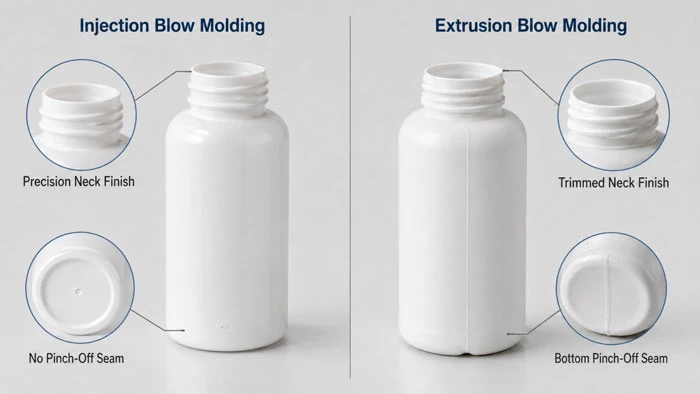
What makes a high-quality injection blow mold: precision design, structure for even wall thickness, durable steel and finish, efficient cooling and easy maintenance.
Why Neck Finish Accuracy Matters in Injection Blow Molded Bottles
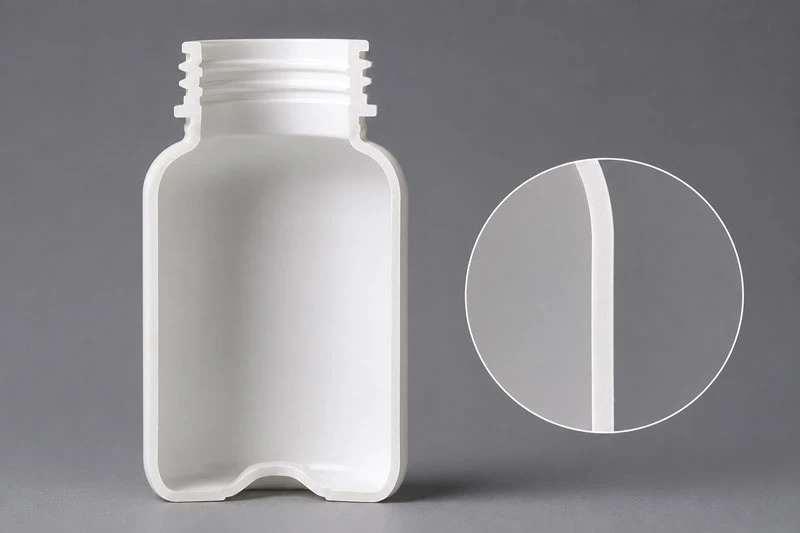
Why neck finish accuracy matters for bottles: sealing, cap fit, filling and leakage, how injection blow molding achieves it, and common neck problems.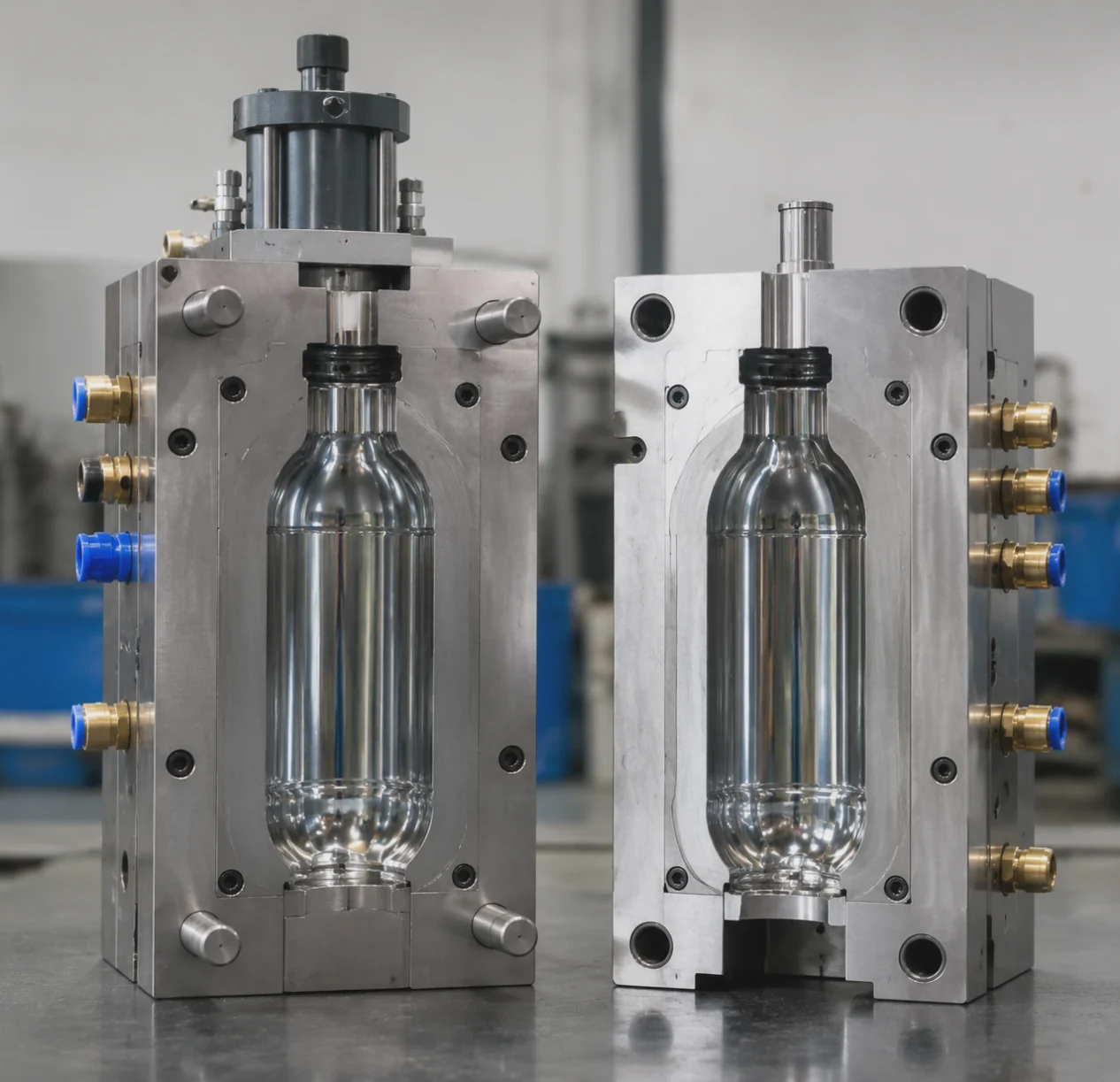
How to Extend the Service Life of Injection Blow Molds
How to make injection blow molds last longer: design for wear, the right mold steel and surface treatment, regular maintenance and controlled production conditions.
IBM Mold Development Process: From Concept to Mass Production
The injection blow mold development process step by step: requirements and DFM, mold design, CAE validation, fabrication, trials, approval and mass production.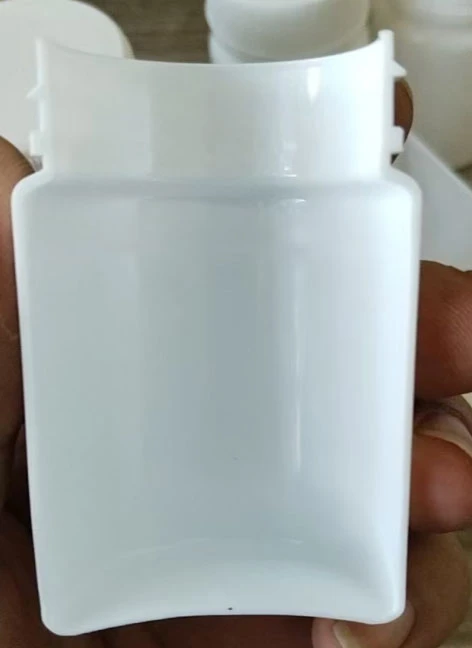
How Wall Thickness Is Controlled in Injection Blow Molding
How injection blow molding controls wall thickness distribution: preform design, core rods, temperature and process parameters, with a key settings table.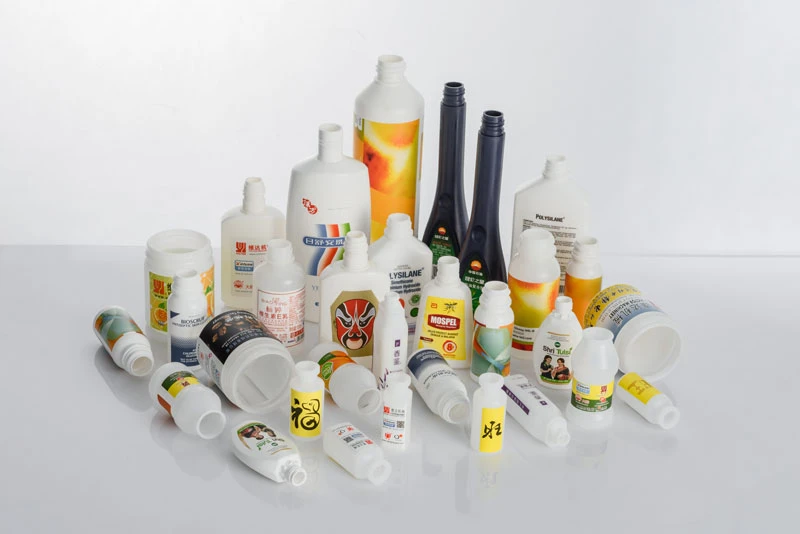
How to Integrate IML (In-Mold Labeling) with Injection Blow Molding
How in-mold labeling works with injection blow molding: a pre-printed label fused into the bottle wall for a durable, scratch-resistant decoration in one step.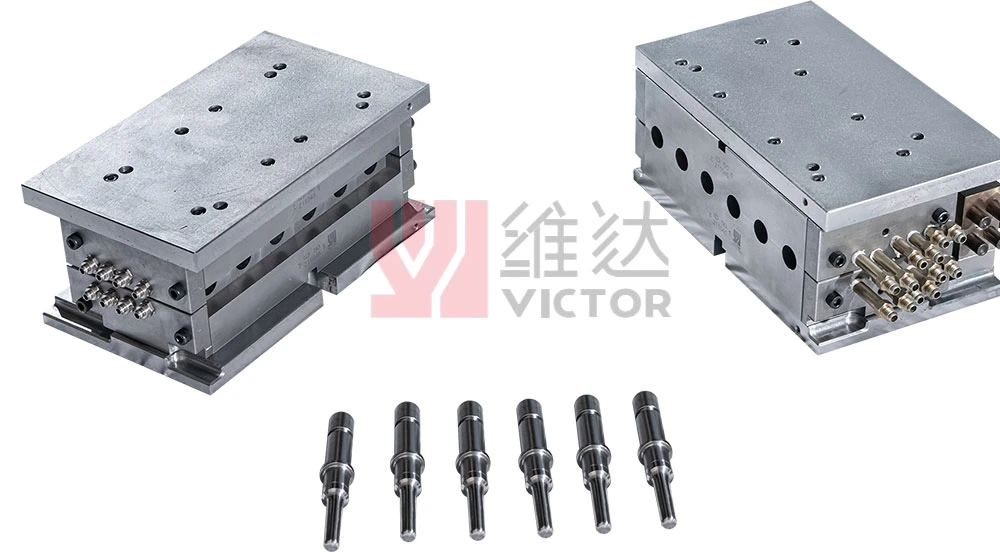
The Role of Core Rods in Injection Blow Molding: Precision, Efficiency, and Quality
What core rods do in injection blow molding: forming the neck and preform, transferring between stations, temperature control and maintenance.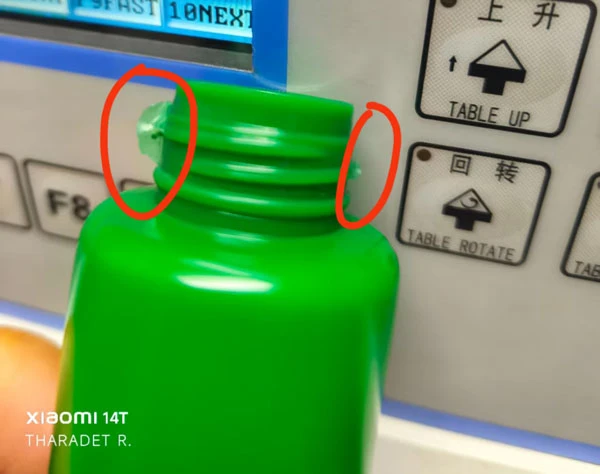
How to Reduce Flash and Warping in Injection Blow Molding
Causes of flash and warping in injection blow molding and how to fix them: mold condition, clamping, temperature control, cooling and process settings.