
Topic
Pharmaceutical & medical packaging
Pill bottles, eye drop and nasal spray containers, medical devices and the precision, sterility and compliance they require.
9 articles
Medical Packaging 4.0: Speed, Safety, and Sterilization Compatibility
How Industry 4.0 changes medical packaging: faster digital production, traceability and anti-counterfeiting, and materials compatible with sterilization.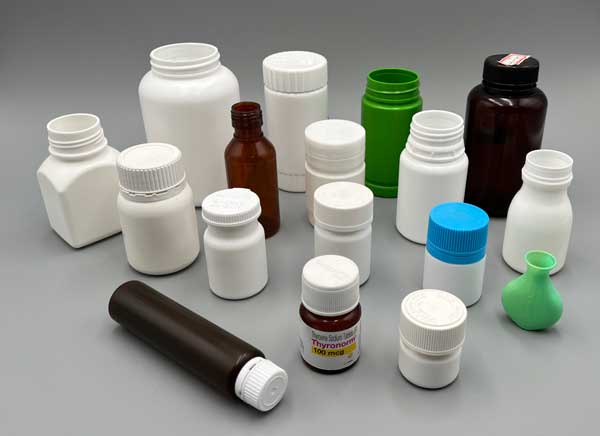
Injection Blow Molding for High-Barrier Medicine Bottles
How injection blow molding produces high-barrier medicine bottles: material options, process advantages over extrusion blow molding and typical uses.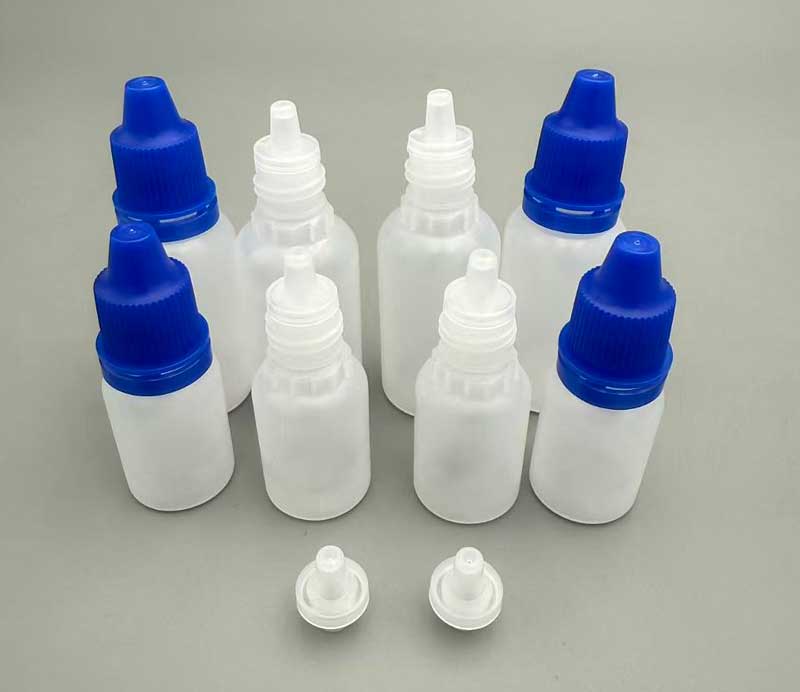
Why IBM Technology Is Ideal for Eye-Drop Bottles and Nasal Sprayer Containers?
How injection blow molding protects sterility, dosing accuracy and seal integrity for eye drop bottles and nasal sprayer containers in pharma packaging.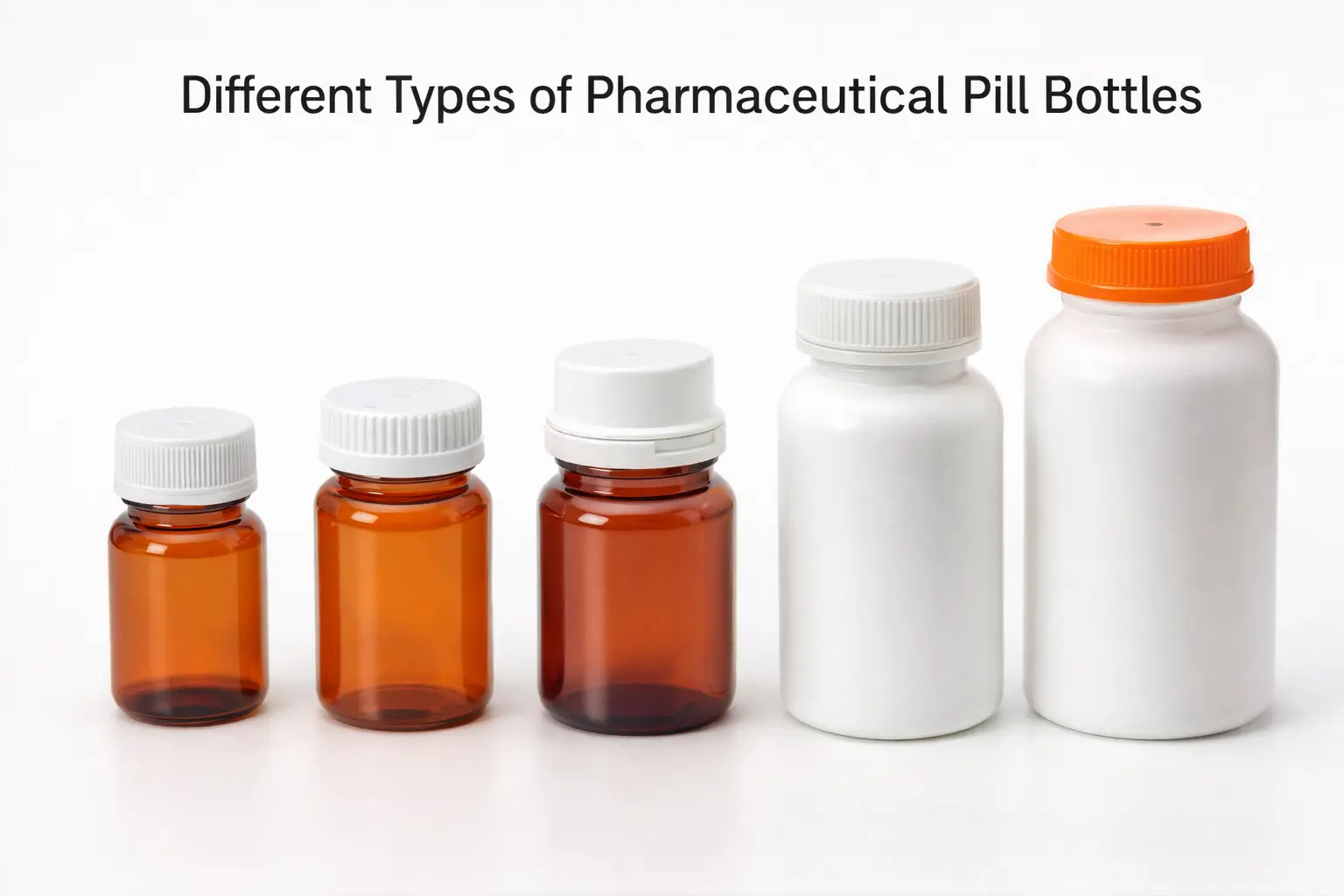
How Are Pill Bottles Manufactured?
What are pill bottles made of and how are they produced? Compare HDPE and PP, injection vs extrusion blow molding, quality checks and common defects.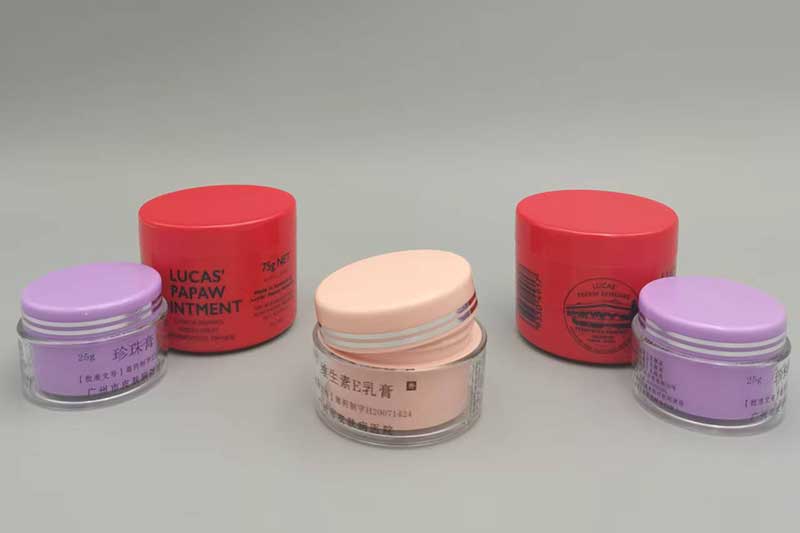
The Future of Child-Resistant Caps and Safety Packaging
Where child-resistant packaging is heading: the limits of legacy CR caps, next-generation safety features, and why accurate bottle necks matter for CR closures.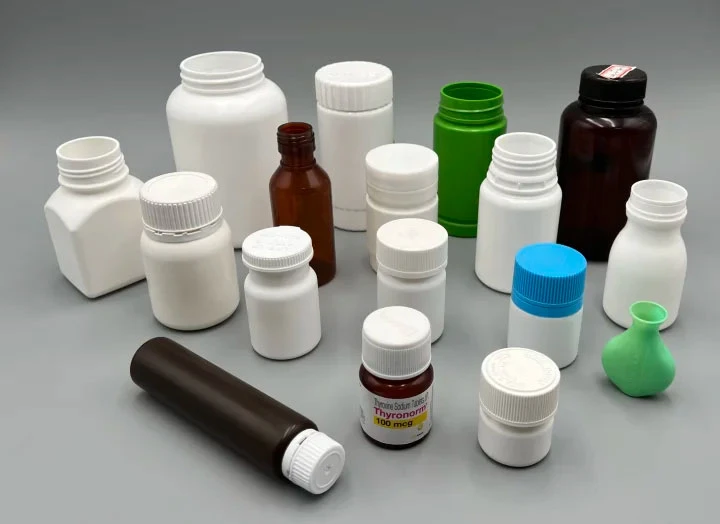
Precision, Purity, Performance: The Critical Role of Injection Blow Molding in Medical Device Manufacturing
Why medical device and diagnostic packaging uses injection blow molding: precision, clean production, medical-grade materials and typical applications.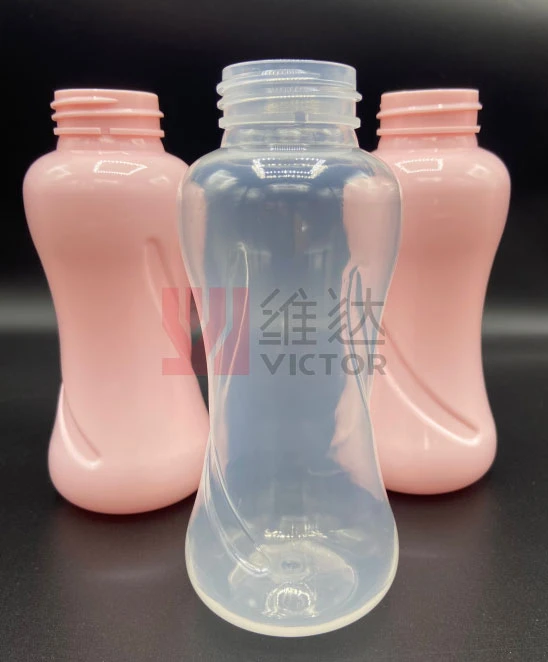
How Injection Blow Molding Supports Baby Product Packaging
Why baby product packaging uses injection blow molding: safe food-grade resins, leak-proof necks, durable walls and clean production for bottles and containers.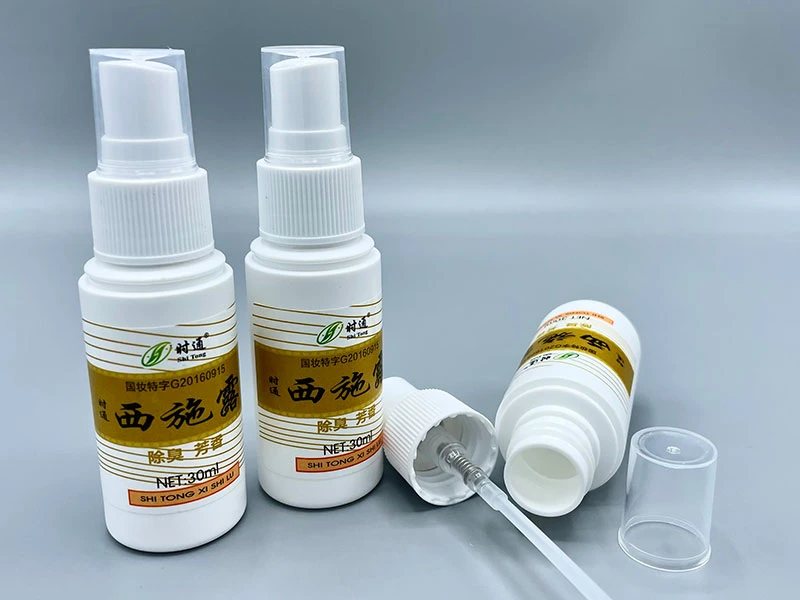
Injection Blow Molding for Pharmaceutical Bottles: How Does It Ensure Safety and Precision?
How injection blow molding ensures safety and precision for pharmaceutical bottles: pharma-grade resins, tight tolerances and container closure integrity.